

New Ticket Fees Set To Hit NYC Subway Riders In 2026
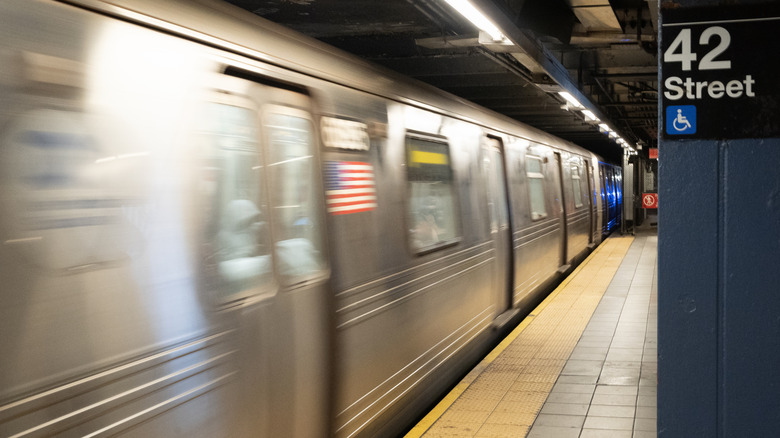
New York transit riders should expect a slew of fare, toll, and ticketing changes coming in the new year. Voted into place by the Metropolitan Transportation Authority board back in September, the updates will impact everything from subways to buses to commuter railroads and bridge and tunnel crossings. They're designed to keep pace with inflation while coinciding with the systemwide rollout of new tap-and-go payment. It all goes into place on Jan. 4, 2026.
Sound a little familiar? You're not wrong, you might have heard all this before. These increases were initially expected to hit back in March 2025, but the authority delayed the rollout to better line up with the full launch of OMNY cards on subways and buses, OMNY being the upcoming replacement after NYC ditches the MetroCard system.
Come Jan. 4, the base fare for New York City subways, buses, and Access-A-Ride will go up 10 cents. That takes a ride from $2.90 to $3. Reduced fares will also increase by 5 cents, rising to $1.50. Express bus riders will see the base fare increase from $7 to $7.25, while the reduced express fare will climb to $3.60. Single-ride tickets will increase from $3.25 to $3.50, and the fee for a new OMNY card will rise to $2 once MetroCards are fully phased out later in 2026. Existing discount programs for seniors, people with disabilities, students and paratransit riders will remain unchanged.
New rolling fare caps are also on the way
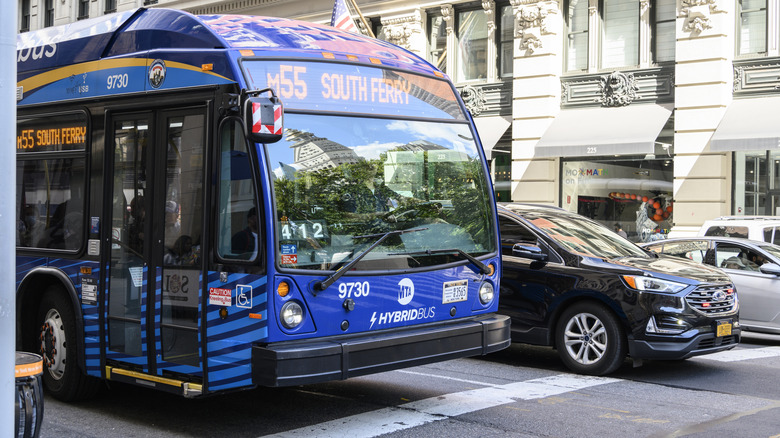
Another major change for city riders will be the permanent adoption of rolling fare caps. Under this change, subway and local bus customers will never pay for more than 12 rides in a seven-day period, effectively capping weekly spending at $35 for full-fare riders and $17.50 for reduced-fare customers.
A second rolling cap will apply to express bus riders. That will limit seven-day costs to $67 for unlimited express bus, local bus, and subway trips. With this move, the MTA will also stop selling 7-day, 30-day, and express bus unlimited MetroCards. Riders can still preload funds onto OMNY cards, but unused balances will simply roll over instead of expiring.
Commuter rail riders on the Long Island Rail Road and Metro-North Railroad will also see fare adjustments, and not long after narrowly avoiding another strike. Monthly and weekly tickets will increase by as much as 4.5%, not to exceed $500.
All other ticket types may rise by up to 8%, as well. Peak CityTicket fares will go up from $7 to $7.25, while off-peak CityTickets will go from $5 to $5.25. Those CityTicket and Far Rockaway ticket options will become permanent, and there will be no fare increases on West of Hudson lines. The surcharge for tickets purchased or activated onboard trains will increase by $2, and that applies both to conductors and the TrainTime app.
Expect to see other small changes throughout 2026
Some other little things: All one-way tickets, whether paper or mobile, will be valid until 4 a.m. the day after they're bought. Round-trip tickets will be replaced by a new Day Pass with unlimited travel through the following early morning hours, and pricing will based on peak or off-peak usage. It's not all increases, though: Families will get to enjoy a $1 fare for kids ages 5 to 17 traveling with a paying adult. That goes for during peak periods, as well. Reduced fares will also be available at all times for seniors, people with disabilities and Medicare recipients.
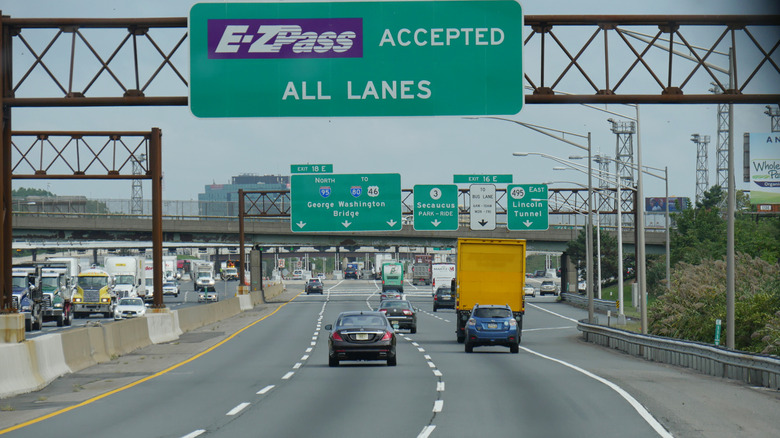
In addition to all these fare changes, tolls at all MTA bridge and tunnel crossings will also increase by 7.5%. That's for both E-ZPass and Tolls by Mail users. Resident rebate programs for Queens, the Bronx, and Staten Island will remain in effect. Buses can issue traffic tickets now, as well. The authority is also rolling out upgraded ticket vending machines across LIRR and Metro-North stations. These will have multilingual support, cross-railroad ticket sales, and improved payment features.