

Executive Order Could Greatly Limit States From Regulating AI
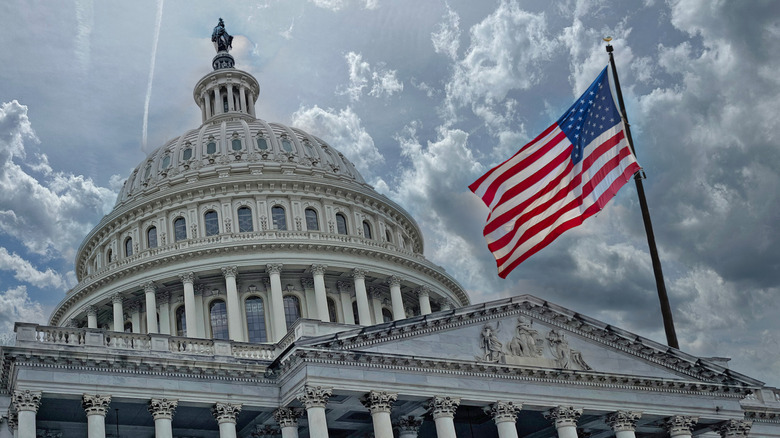
A new executive order could change the way states regulate artificial intelligence. Signed on Dec. 11, the executive order, titled "Ensuring a National Policy Framework for Artificial Intelligence", tells federal agencies to prioritize a "minimally burdensome" national policy framework for AI and to challenge state laws that get in the way of that goal. If put into place as it's written, the executive order would limit state-by-state oversight in favor of more federal control of AI. That'd be a seismic shift in states' relationship with AI in the United States.
The order paints state regulation as a major obstacle in the development and deployment of artificial intelligence. Per the order, state laws "makes compliance more challenging", specifically singling out startups as affected entities. To address all these issues, the executive order asks Congress to create a single national standard. It also asks the Justice Department to create an AI Litigation Task Force to challenge state laws blocking federal policy. And until Congress says otherwise, the administration has shown it's not afraid to use lawsuits (or withhold funding) to get states to comply, such as when it sued states for withholding voter registration rolls.
Implications for the AI industry
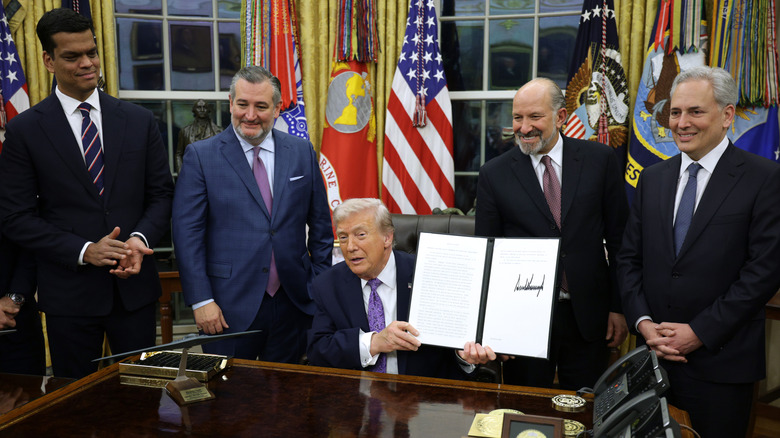
For the AI industry as a whole, the most immediate impact of this executive order would be a future with more national-level regulation and less state-to-state regulation. What's more, companies operating nationwide may be able to avoid dozens of different state requirements. Of course, the long-term impact depends on whether Congress moves forward with more comprehensive AI legislation. Given how Congress itself has already been banned from using Microsoft's Copilot AI, there's no telling which way this could go.
Sure, it could speed up innovation, lower costs, and make it easier for startups to compete with the big names, but at the same time, the order isn't exactly in line with the Constitution's promise of states' rights over the federal government. That's something many Americans would call one of the foundational pillars of the United States. (It's in the Bill of Rights, after all.)
For now, we wait. The executive order explicitly calls for a legislative proposal to establish a uniform federal framework, only preserving state authority in limited areas such as child safety and certain infrastructure matters. Until that happens, it remains to be seen how or when the administration might limit state action, such as California's AI safety and transparency laws. Either way, the order is sure to throw off the balance across the industry.