

Looking For A Luxury Car? Consumer Reports Says Skip The European Brands
Whether you have a million dollars in the bank or lead a modest lifestyle, luxury cars have a certain appeal that's hard to deny. They turn heads in parking lots and on roads, are associated with celebrities and the ultra-rich, and allow drivers — and passengers, for that matter — to ride in style and utter comfort. Of course, there's a range of price points for luxury automobiles, with some brands like Acura offering great value, while others like Rolls-Royce ask sky-high prices justified by steep brand cachet. But cost-prohibitive cars aren't always a guarantee for better user experiences.
Savvy consumers will always do best to research the best luxury options available today, rather than shelling out money for prestige and image alone. Germany, Britain, Sweden, France, and Italy's carmakers vie for consumer dollars in the luxury segment, just as their American and Japanese counterparts do. But if you read Consumer Reports' quality rankings when researching new cars, you may be shocked to see that only one European brand makes the top 10 (BMW), with the remaining nine brands comprising Japanese, Korean, and American companies.
In a recent report, the website ranked European luxury car brands by reliability, with many scoring below a 50% threshold — reflecting their overall lower quality. High cumulative repair costs are a key reason Consumer Reports advises readers to reconsider European luxury vehicles.
The cost of prestige

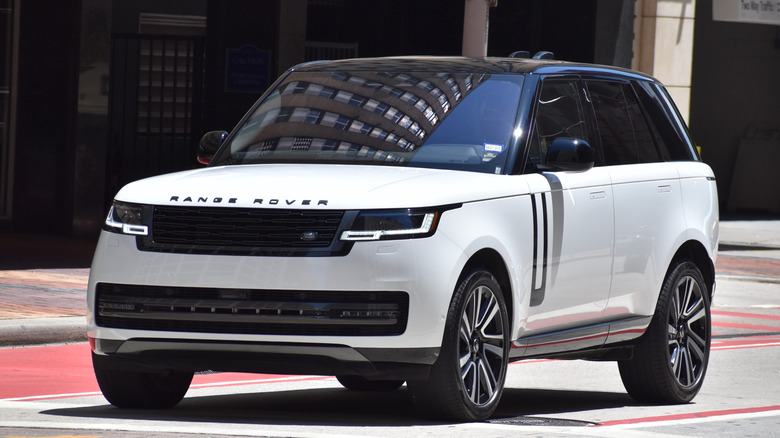
Many European car brands should be heavily scrutinized — or skipped altogether — mainly because of the inherent maintenance costs. While we all want vehicles that are likely to last over 20 years, the reality is that you'll likely take your vehicle to the dealership for repairs numerous times. And with certain European car manufacturers, you'll be hosed with exorbitant maintenance bills, which significantly add up over the car's lifespan. Take, for example, the highly esteemed British car brand Land Rover.
According to Consumer Reports, the 10-year total repair cost is $17,450. The split works out to $3,700 in repairs for the first five years, and then $13,750 for years six through ten. German brands like Porsche, Mercedes-Benz, and Audi trail behind with steep 10-year repair costs totaling between $11,050 $16,000. The Swedish car company Volvo totals $9,825 in repair costs over 10 years. Take these European brands and compare them to Tesla's purported 10-year repair cost of only $5,050, while stalwart American brands like Lincoln and Buick range between $5,200 and $5,300, respectively.
Japanese brands like Toyota, Mazda, and Nissan all came in at, or just under $6,000 for their respective ten years of repairs and maintenance costs, while the Korean brand Hyundai totaled $5,680. What this boils down to is that, sure, you can drive around in an instantly recognizable car, turning heads in the parking lot, but it's going to cost you in those high servicing costs beyond the already steep sticker price.
Better alternatives
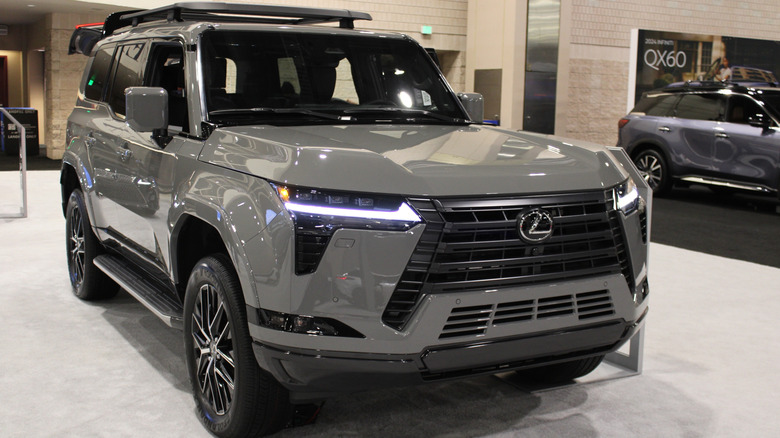
Of course, this doesn't mean that all European luxury cars are lemons or that you should write them all off because of those pesky repair costs. There are indeed many reliable models, but if you would prefer to save some cash and future-proof against steep dealership charges for pricey parts and costly repair rates, Japanese brands like Lexus might be better options. J.D. Power ranked Lexus as its number one brand for dependability in 2024, followed by sister brand Toyota.
American car conglomerate General Motors followed, with Buick and Chevrolet ranking third and fourth, respectively. Each of these brands offers a wide range of models that span entry-level, economy compacts all the way to plush luxury sedans and swank SUVs. If you tell someone you drive a Land Rover or Mercedes-Benz, you signal a proclivity for prestige and luxury. If you say it the wrong way, you may come across as classist or snobby.
Either way, car-savvy people may return with a wry smile, knowing very well how unreliable or expensive these cars can be when they end up at the dealership on a hoist. In this economy, when relentless inflation and rising cost of living show no signs of waning, those with a preference for the ultimate in comfort and design may want to avoid those sexy European car brands that will ultimately continue to put a massive dent in your wallet year after year after you drive off the dealership lot.