

Mislabeled Gas Pumps Leave Drivers Needing Thousands In Repairs
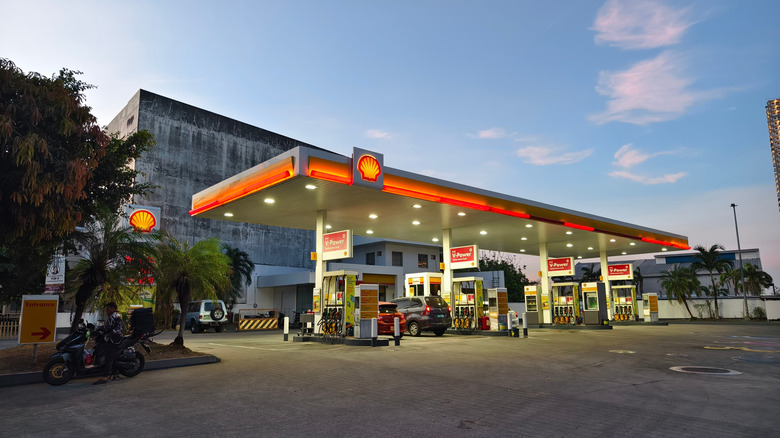
Have you ever gone to a gas station and been presented with multiple pumps, each one a different color? It's a fairly ubiquitous design template, common to almost any station that sells both gasoline and diesel. One way people can tell the difference between the two fuel types is by the color of the pump: gas pumps are often black, while diesel pumps are typically green. Unfortunately for some drivers who stopped at a Metro Gas station in Southington, Connecticut, a regular fuel stop became very expensive after the fuel delivery company in charge of refueling the pumps mistakenly put diesel in the gas tank and gas in the diesel tank.
Gas stations, like cars, have to be refueled when the tanks run empty, which is why you see fuel tankers stop by every now and then with hoses connected to the ground; those lead to large underground storage tanks that hold the fuel you then pump into your car. Pumping the wrong fuel type into your car can be catastrophic, causing potentially thousands of dollars in repairs, which is why the two sides are usually clearly labeled for those who pump their own gas. Sadly for the drivers who stopped by on November 29, 2025, such a fate befell their cars, though it wasn't their fault by any means.
Upon realizing the mistake, the gas station reportedly cleaned the tanks the next day, though it still fell to drivers to get their vehicles repaired. This placed some drivers at a severe deficit, to the tune of $17,000 for one poor man with a BMW requiring a full fuel system swap. The company in charge of gas deliveries at the time, Forbes Fuel, is reportedly handling cases directly, albeit with dubious results.
What actually happened, anyway?
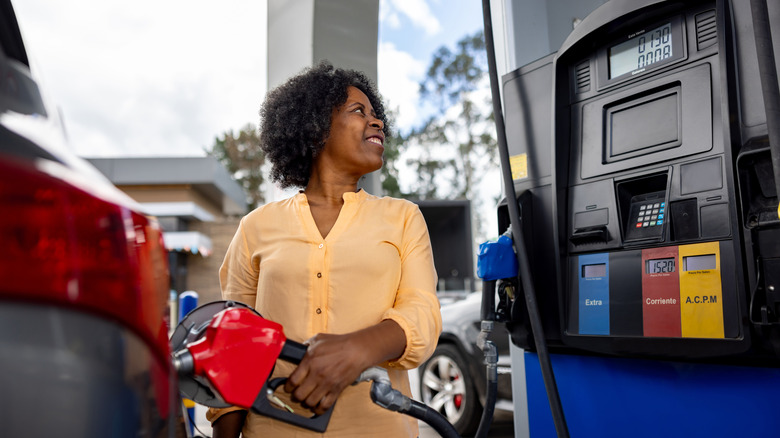
The company refilling the station took responsibility for the incident, saying the pump at the gas station it was servicing had been inadvertently switched, resulting in the wrong fuel being pumped into the wrong tank. This earned a visit from the Department of Consumer Protection to verify whose fault it was, as well as check to make sure that the tanks had been properly cleaned. While not exactly a common occurrence, it's also not entirely unheard of; a similar story occurred earlier in the year in Ohio, for instance.
The good news, as such, to come out of this horror tale is that Forbes Fuel will reimburse everyone with a proof-of-purchase, and the claims are substantial. Multiple drivers have required thousands of dollars in repairs, with an estimated 25 cars affected by the mix-up. However, it was still up to drivers to get the correct servicing from their own shops. As for Forbes Fuels, the company has not made any comments to the press concerning the incident. The last we heard, owners were getting the distributor to pay for the repair fees. Thankfully, this is an exceedingly rare event, and hopefully, the owners will see fair reimbursement down the line. As for the gas station itself, it had its tanks cleaned and was back up and running the next day.
What can you do if you fuel up with the wrong type?
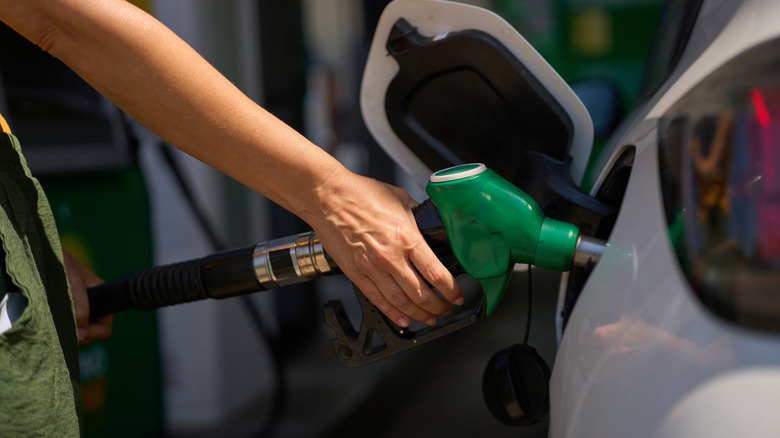
Why is diesel bad in a gas-powered car and vice versa, though? Common sense obviously dictates that you shouldn't mix the two, but it's certainly not unheard of for the errant driver to make such a mistake. And the results are far worse than, say, putting cheaper E15 gas in older cars. If you put diesel in a gas-powered car, the problems might not immediately arise because you're using up the rest of the straight gasoline in the fuel line. As the diesel works its way in, the fuel will quickly clog up filters, lines, and eventually cause misfiring before the car stalls out. Diesel fuel is not as flammable as gasoline; diesels work by compression rather than spark to ignite, and gas-powered engines simply do not have high enough compression to effectively burn diesel fuel. This could eventually cause the engine to hydrolock and stall.
The inverse is true of diesel engines with gasoline in their tanks. Diesel fuel acts as a lubricant in most modern fuel systems, first off, which gasoline will not provide. And because gasoline is more volatile than diesel, this leads to the opposite problem of the gasoline detonating too early in the combustion chamber, a phenomenon known as predetonation or, more commonly, knocking. Gasoline is also a thinner fuel type than diesel, so it'll contaminate every little nook in the filters and fuel systems. The most important takeaway here is: if you accidentally fill up with the wrong fuel, do not start the car. Call a mechanic and get your fuel tank flushed. It'll be costly, but so is replacing your entire fuel system.