

Don't Make These Mistakes With Your Home's Radiators This Winter
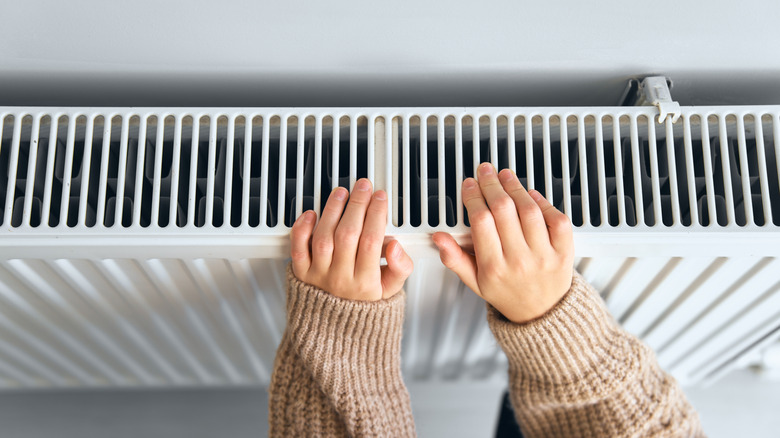
A radiator is usually the silent hero we turn to when cold winter air creeps through cracks and gaps in our homes. But still, it's one of those appliances we don't pay much attention to until we notice telltale signs that it requires replacement. While issues such as leaking pipes, trapped air, and rust blockages may be the culprit, you may be at least partly to blame. After all, there are several mistakes you might make with your heating system, and some of them can hit where it hurts the most — your wallet.
Of course, some habits might seem harmless on the surface, but their compounding effects can put a nasty dent in your bank account due to increased utility bills, reduce your radiator's efficiency, and even make some rooms feel colder than they should. In the worst case scenario, they could cause long-term damage to your radiator, which would be expensive to repair, and it might even create a safety hazard.
With that in mind, it's crucial that you know about the most common mistakes people make with their home radiators when temperatures drop below freezing point, and what you should do to avoid them. This way, you'll maximize your radiator's efficiency, keep your home warm all season, and keep your utility bills in check.
Placing decor and furniture near your radiator can do more harm than good
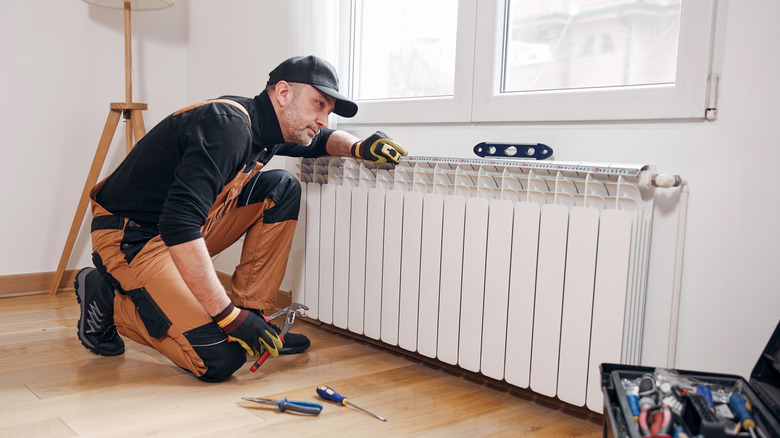
Radiators require enough airflow to function efficiently. As much as we hate to admit it, most of us usually assume that "set it and forget it" is good enough. As such, we usually end up blocking the radiators with heavy curtains or furniture. While this might seem harmless at first, the results will be detrimental; you'll block proper airflow and heat radiance transfer. This means that some rooms will warm up unevenly, and the radiator will work much harder, which is a catalyst for premature radiator failure.
While at it, another habit that can make your rooms feel colder than expected is placing hot appliances near the thermostatic radiator valve (TRV). This valve controls heat output depending on room temperature. So, when you cover it with a hot object, it won't accurately sense the room temperature, eliminating the need for a radiator.
The result is a heating system that runs longer than necessary or turns off too early. Given the risks associated with blocking your radiators (and the TRV), it is a great idea to keep the surrounding area clear. Experts recommend leaving at least 6 inches of space for adequate heat transfer and airflow.
Other common mistakes homeowners make with their radiators
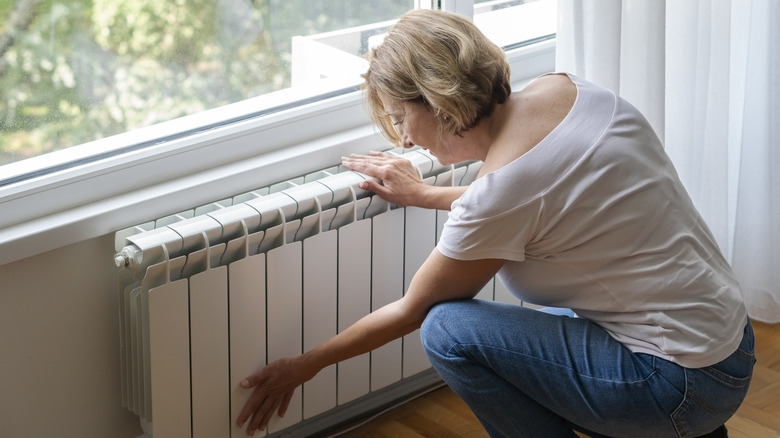
Cranking up the thermostat once temperatures drop is another common mistake homeowners make with their radiators. Sometimes it may be an accidental error caused by misconfigured thermostat settings. Other times, you might adjust your thermostat to compensate for poor radiator performance.
Before you do so, remember that this mistake will increase your electricity bill. Plus, it won't fix the underlying problem, and you might be left with stressed seals, valves, and pipes due to overheating. You don't have to sacrifice comfort to keep your bill from rising, since installing a programmable thermostat is an excellent way to monitor and adjust your heating usage.
For any heating system, regular upkeep goes a long way toward enhancing longevity and maintaining a high-performance level. Unfortunately, most homeowners always neglect radiators, and that's actually one of the worst things they can do to their heating system. Like other surfaces around your home, radiators can collect dust. When you don't clean your radiator regularly, dust will build up in the vents and block heat from circulating throughout your home.
Besides that, you'll need to bleed your radiator. This is crucial because when you turn on your radiator, air often moves to the top and stays there. This, in turn, affects the circulation of hot water, leading to uneven temperatures, reduced efficiency, and skyrocketing energy bills.