

This iPhone 17 Feature Won't Work If You Use A Traditional Screen Protector
We may receive a commission on purchases made from links.
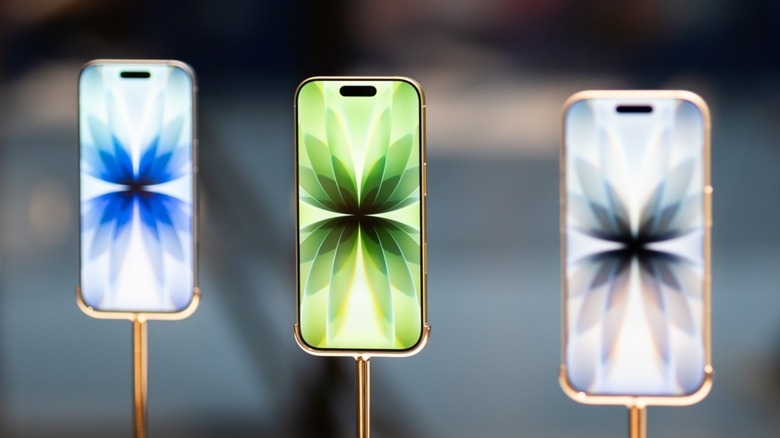
For more than a few generations now, the base iPhone has barely seen meaningful improvements, with last year's iPhone 16 still shipping with an unfortunate 60Hz display. So the September 2025 Apple event surprised us all when the base iPhone 17 turned out to be the best model in the lineup. It finally features a 120Hz ProMotion display, so you no longer need to shell out $1000 to enjoy always-on features. The device also gets the usual spec bump internally with the A19 chip and a new Center Stage front camera that offers a much wider field of view for portrait selfies.
Pair that with a dual camera setup and a starting price of $799 for the 256GB variant, and suddenly, the trade-offs of the iPhone Air, which is a more expensive device, start getting more noticeable. Another quality-of-life improvement with the iPhone 17 is the addition of the new Ceramic Shield 2 glass. We've seen Ceramic Shield in older iPhones; it's a glass material developed by Corning reinforced with ceramic nanocrystals to provide better protection against drops and scratches.
Ceramic Shield 2 comes with a new coating that offers three times better scratch resistance, according to Apple. More importantly, it exhibits anti-reflective properties. This provides noticeably better readability under direct sunlight or indoor lighting. Unfortunately, adding a screen protector to the new iPhone could render this new feature useless.
How screen protectors kill the iPhone's anti-reflective display
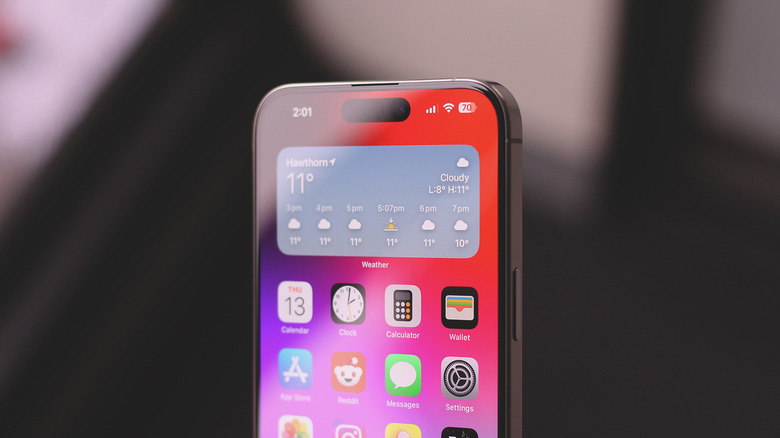
The Samsung Galaxy S24 Ultra that we reviewed featured an anti-glare coating on its display in 2024 as well, and the community absolutely loved this addition. The problem, however, is that most sane consumers end up applying a screen protector to shield their expensive new buy. This provides an additional layer of scratch resistance and even drop protection, but it counteracts the built-in display's anti-reflective coating.
Since the anti-glare is a property of the display on the iPhone 17 itself, applying a layer of a traditional glass screen protector means that the light now bounces off the new surface. The quickest way to fix this, obviously, is to yank the screen protector off — but we understand why that might not be an option most would prefer. Thankfully, anti-glare or "matte" screen protectors have predated these fancy new built-in coatings by several years, and are not a foreign product category.
You have several options to choose from — the Motcha Matte Glass Screen Protector, at $14, is a popular one with over 7,600 reviews and a 4.3-star rating on Amazon. That said, you are likely to notice slightly reduced clarity, since matte screen protectors create a mild frosted effect on the display. If this is something that bothers you, the only other options are to sacrifice the iPhone 17's anti-reflective display by applying a regular screen protector or living life dangerously and rocking your phone naked.