

What's The Most Difficult Sports Bike To Ride? Here's What Riders Say

The world of motorcycles is vast, and there is a style of bike for every occasion, and for every rider. From the snappy throttle response of a tuned sport bike, to mid-mid-century classics like a café racer, to laid-back cruisers with all the comforts possible. There are also just as many levels of difficulty, from beginner-friendly middle weights like the Vulcan 900 to the experienced-riders-only, eye-watering speed demon Suzuki Hayabusa. Sport bikes can be dangerous due to their sheer power and twitchy throttles, combined with aggressive riding positions.
They require respect and diligence — like any motorcycle, for that matter — to remain safe on the roads, and restart when it comes to the temptations of high-speed highway antics. Before being tempted to come over to the world of sport bikes, or even for the seasoned veterans, it can be good to know which motorcycles are the most difficult to ride. This allows prospective buyers a frame of reference for the skill required to safely handle the bike in question. Here, we examine what riders say about the most difficult sports bike to ride. Strap on your helmet and take notes.
Liter bikes
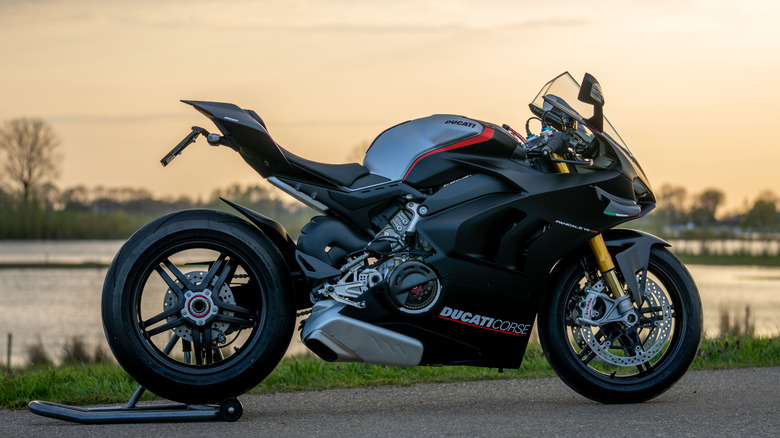
Generally speaking, liter bikes, as they're known — any sports multi-cylinder motorcycle with a 1.0 liter engine displacement — are difficult to ride due to their inherent power and heavy weight, especially for newer riders. A notoriously difficult sport bike to ride is the Aprilia RSV1000 due to its vicious power, difficult handling, tricky gear ratio (for normal riding), stiff suspension, and firm seat. The sheer ferocity of the bike, combined with its ergonomic challenges, is not for the meek. The Italian brand also makes the RSV4, which riders say is one of the most difficult Aprilia bikes to ride. Yet another difficult motorcycle in this four-cylinder camp of intense liters is the Suzuki GSX-R 1000R, which one Redditor characterized as "nuts."
What can happen, according to some riders, is that you might dig into the throttle but pull it too hard, which then throws the rider further back in the saddle, causing them to pull even harder on the throttle as they struggle to hold on. Next thing you know, you're going in excess of 100 mph due to the extremely quick acceleration and sheer power, potentially placing riders in peril. Some riders generally posit that these bikes are too much for public roads, with the only logical safe place left being the track, allowing enthusiasts to test the limits with relative safety.
Rider comfort and safety
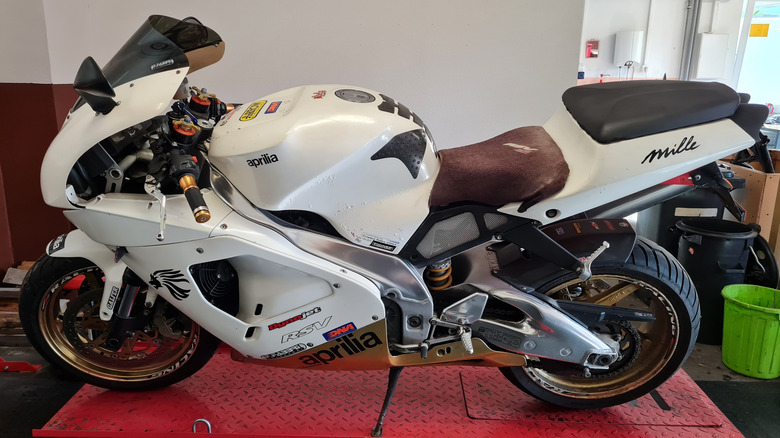
Other factors besides sheer horsepower and mind-bending acceleration that make some sports bikes difficult are their weight, which can top out at almost 400 pounds. Maneuvering super-heavy bikes at low speeds in tight spaces can be very difficult for some riders to handle. Additionally, sitting on top of 200 horsepower can take its toll physically. There's potential for wrist, back, and leg strain on long rides due to aggressive ride positions and tensing up as the bike threatens to buck up like a wild horse. Other considerations that make some sport bikes difficult to ride are heat management — especially tricky with the Panigale V4 — where riders have to deal with brutal radiating heat coming off the engine, scorching legs.
Lastly, older motorcycles simply lack the advanced on-board tech as computers help riders zip around safely, with bike stability assistance. With a more raw and analog experience of, say, an early 2000s liter bike, some riders may find that this leads to a more difficult ride overall. Conversely, some experienced riders who grew up riding analog bikes find that the newer on-board tech ironically causes challenges for them. At the end of the day, difficult to ride, powerful, and weirdly sport bikes deserve respect and should only be ridden by experienced riders to avoid becoming another statistic.
Behind the bars: how we steered the research
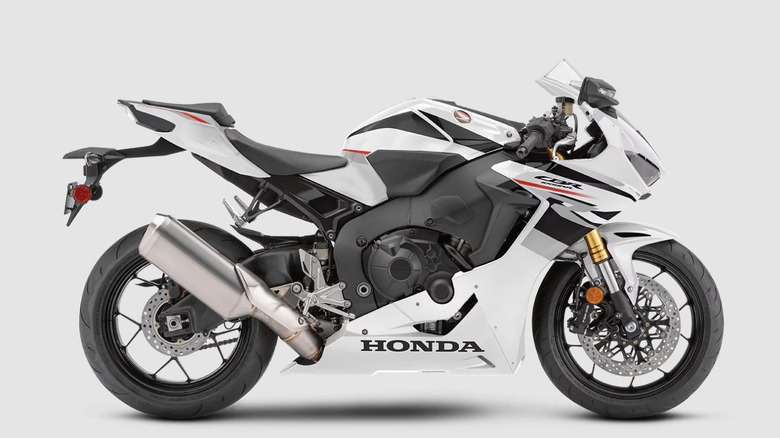
In order to present the most accurate and well-contextualized info, we follow rigorous research guidelines for articles like this. The name of the game is consensus: we connect all the dots and follow where the research takes us, and continually cross-reference it until we have no doubts about the strength of the intel. When we cite sources for articles such as this one, we leverage real-world experiences from motorcyclists by extrapolating like-minded opinions.
Websites and forums that provide user-generated commentary based around communities — in this case, the world of motorcyclists — are ideal pools to draw from, as we seek commonalities in the options shared by seasoned riders. While your mileage may vary, and you may personally disagree with what we've put forth, we believe that our rigor and consensus-building are well presented here for both casual readers who ride and those with years in the saddle.