

These States May Be Changing Their Speed Limits Soon
Keeping your finger on the pulse of ever-evolving road regulations and limits is an absolute necessity as a driver. Part of being aware of these is knowing what the speed limits are across the relevant states and routes. Getting a speeding ticket is never a fun experience; apart from directly paying it, there are other hidden costs, like spikes in your insurance premiums and potential legal fees. And it's not just enough to not go too fast, you have to remember that going too slow could also lead to fines.
Either way, states are taking actions to foster the flow of traffic. Some laws are reducing speeds, like Hawaii, which reduced the speeds on parts of Hawai'i Belt Road (Route 19) along the Hāmākua Coast, but some of them are actually trying to raise the speed on highways, rural roads, and interstates. However, unlike Hawaii, which has actually successfully applied speed reduction policies to Route 19, these speed increase changes have yet to happen. It's unsurprising, though, since Hawaii is one of the states with the slowest speed limits according to our list of U.S. states with the highest and lowest speed limits.
We've compiled some of these states with potential changes happening in the near future. We identified them by looking at states where lawmakers have recently introduced or debated statewide speed-limit bills with enough traction or coverage on the matter. Two states stand out: New York and North Carolina.
New York
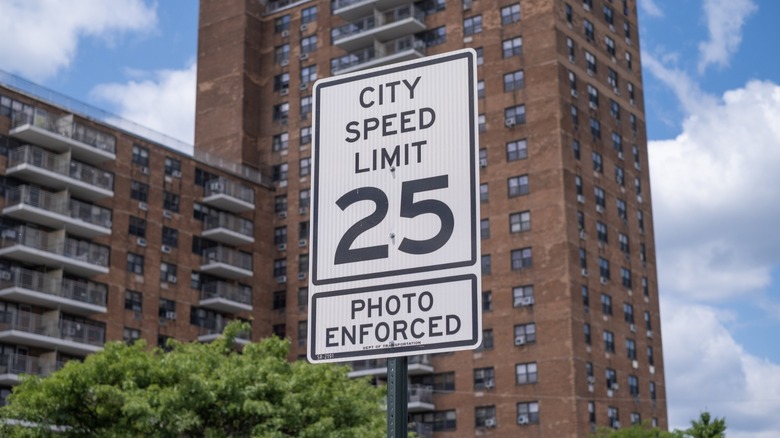
New York's Senate and Assembly are both working on two sets of bills drafted to increase and reduce the speed limits across the state. It sounds contradictory on the surface, but in reality, bills S1500 (in the Senate) and A3571 (in the Assembly) will increase the speed cap in Vehicle & Traffic Law §1180 from 65 mph to 70 mph in limited-access highways, while bills S2713 and A1754 would let cities, villages, and towns lower the limit on state highways inside their borders to 55 mph, but not below 25 mph, on segments they deem particularly dangerous.
If both these sets of bills are passed, it wouldn't mean that speeds will automatically change in limited-access highways and state highways; instead, they leave it to the state and local governing bodies to choose where such changes are necessary. As of late 2025, both sets of bills are sitting in the Transportation Committee and haven't yet made it to the floor for voting. However, they are actively backed by safe-street groups and coalitions as a way to improve safety and give local governments more control.
Increasing the limited-access highway speeds has been long overdue, too. The limit has been 65 mph since 1995, when the federal 55 mph "National Maximum Speed Limit" (NMSL) was repealed, and it was left to the states to decide safe speeds. With S1500 and A3571, New York could join the ranks of many states that have 70-75 mph maximum speeds on rural interstates and limited-access roads.
North Carolina
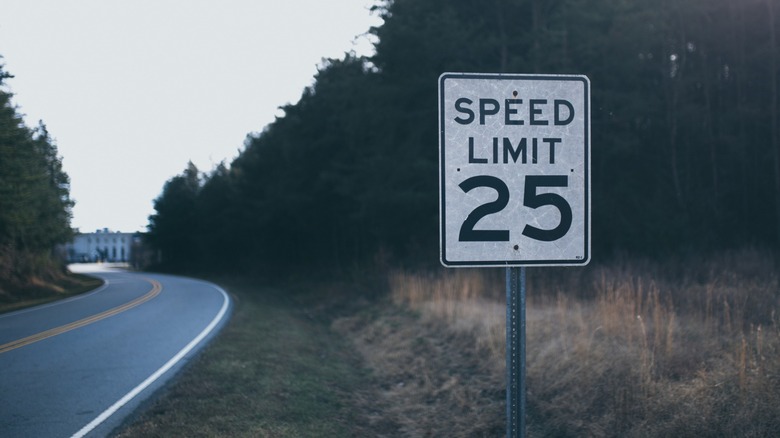
Whereas New York has plans to raise speed limits to 70 mph, further south, in North Carolina, the speed limit is already at 70 mph, and there are legislative plans to raise it to 75 mph. House bill H112 was filed in February 2025, and its title is a dead giveaway for what it hopes to achieve: "Increase Permissible Interstate Speed Limit." It's drafted to amend the current General Statute (G.S. 20-141(d)) so that the Department of Transportation (DOT) can post up to 75 mph instead of the 70 mph limit they've had on interstates and controlled-access highways since the NMSL repeal in 1995. It will also make adjustments to the offense for speeding so that driving over 85 mph (where the max is 75) triggers a Class 3 misdemeanor, which could mean a fine or up to 20 days in jail.
Just like New York's speed limit amendment bills, H112 is in the House Transportation Committee as of late 2025. However, even though media outlets, like WRAL News, described the bill as bipartisan, it's only been introduced in the House of Representatives and doesn't have a matching bill in the Senate yet. Of course, that doesn't mean it can't get to the Senate and then eventually to the governor; it just reduces the chances of it failing if it had a companion bill in the Senate. Don't be surprised when you see that you can now hit around 75 mph in some portions of North Carolina's highways by 2026.