

Closing The Heat Vents In Unused Rooms Could End Up Costing You Money
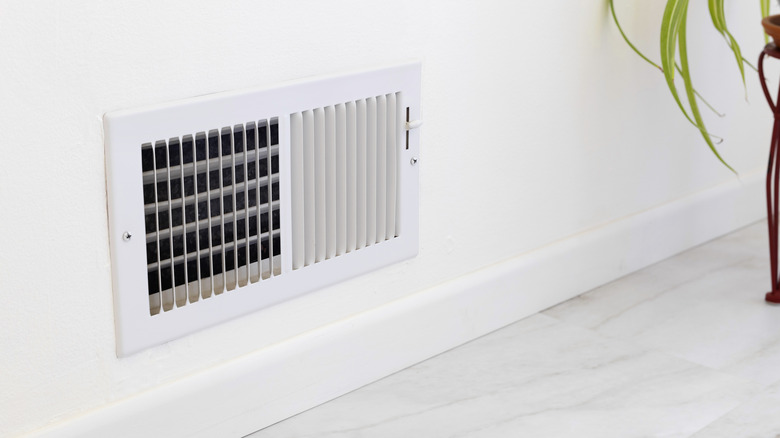
Your home's heating and cooling system is what keeps your home comfortable. But according to the U.S. Department of Energy, it's also among the highest utility expenses, accounting for 29% of most households' annual electricity consumption. For this reason, most of us make a few adjustments to reduce our utility bills and ease pressure off the power grid. And while there are many ways to do so, like investing in gadgets that can save water, electricity, and cash, others are trying to lower their electricity bill by closing heat vents in rooms they never use. But does this really work?
At a glance, shutting down the vents to "redirect" heat to rooms that need it most might seem logical. But before you grab your tools, you'll want to reconsider, as it will come with a series of consequences. For starters, you'll not save money. This is because when you shut down the vents, your HVAC system will work harder to push air through fewer openings. With that in mind, ahead, we will break down what actually happens when you close the vents and what you should do to keep your home comfortable.
Shutting down vents could drive up your heating costs and create other problems
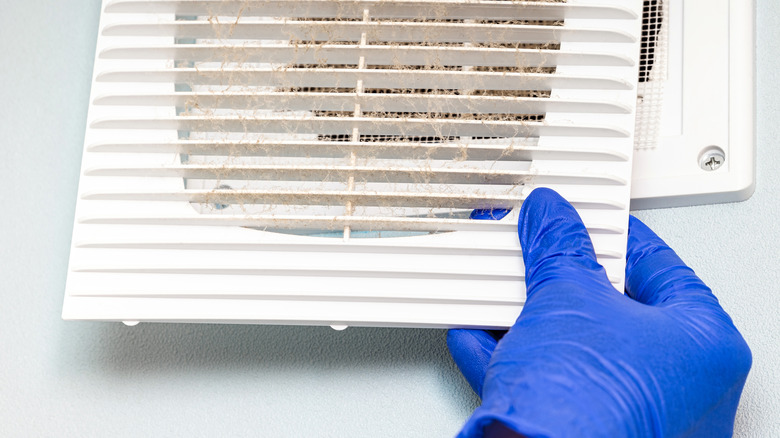
Your HVAC system is designed to bring in air to cool or heat your home, depending on your needs. So, if you close the vents in the unused rooms, the air produced will not just magically reroute. Instead, it will force its way back, building up pressure in your ductwork. When this happens, the furnace's blower motor will work extremely hard to handle the excess pressure, which not only leads to its premature wear and failure but also increases utility bills.
On top of that, the excess pressure and unbalanced airflow will reduce the amount of air reaching the furnace. As a result, a layer of ice might form on the coils, and when it melts, it can damage any components or structures around it, leading to costly repairs and replacements. Even worse, you might end up with a cracked heat exchanger, which is a recipe for carbon monoxide poisoning or a fire hazard. That's why experts recommend replacing dirty HVAC filters and periodically cleaning blocked vents to ensure smooth airflow.
Lastly, if you close the vents of unused rooms, some spaces will become colder while others will feel stuffier than usual. This means you'll make your home uncomfortable, get exposed to indoor pollutants, and, in the worst-case scenario, cause mold populations to explode, making allergies worse.
Useful tips to reduce energy costs without closing your vents

To keep your heat bill down this winter, there are a few better actions you can take than closing vents. One of the simplest is avoiding mistakes that can increase your utility bill. For example, leaving appliances running when not in use or overreliance on your HVAC system. While you're at it, consider upgrading your HVAC system to make it more energy-efficient. You can easily achieve this by installing a programmable thermostat that learns your heating and cooling needs and adjusts accordingly.
You'll also want to think twice about using incandescent bulbs and switch to energy-saving options like LED bulbs. For low-traffic areas or places where people need light for a short period, consider investing in motion-sensing lights. At a glance, it might seem like a small move, but if you're among those people who occasionally forget to turn off lights, it will have a noticeable impact on your overall utility bill. Instead of closing the vents, it's a great idea to set up heating and cooling zones based on when and how often you use the room. This way, you won't block airflow or strain your HVAC system. You'll also want to keep up with your HVAC's planned maintenance to keep your system operating efficiently and even extend its lifespan.