

5 Popular Camping Gadgets Users Say You Should Steer Clear Of
We may receive a commission on purchases made from links.
Camping is one way to step away from the endless activities of everyday life and just connect with nature. And while there are real physical and mental benefits to it, the truth is we're creatures of comfort. And there are some gadgets you must bring along on your camping trip to make it safer, more comfortable, and a lot more enjoyable.
For instance, it's cool to learn how to rub two stones together to light a fire, but you can just pack an LED lantern. You can also bring a smartwatch that tracks your location and monitors your vitals, a solar power bank to keep your devices charged, and a portable electric fan to make sleeping in a tent during the thick of summer actually bearable. Together, they help you maintain some sense of normalcy and security while being outdoors.
The problem, however, is that some of these gadgets offer more on paper than they do in the real world. And what's even more frustrating is that you can't always tell from a product description that a solar power bank barely charges in sunlight. You might be miles from civilization before that reality sets in, and suddenly your trip is off to a bad start with no easy way to repair or replace anything. This is where user experiences become invaluable. The products we're looking at today have already been tested in the wild by real campers, and their feedback is a big part of why we won't be recommending these gadgets for your trip.
ToughTested 10000 Mah Solar Power Bank
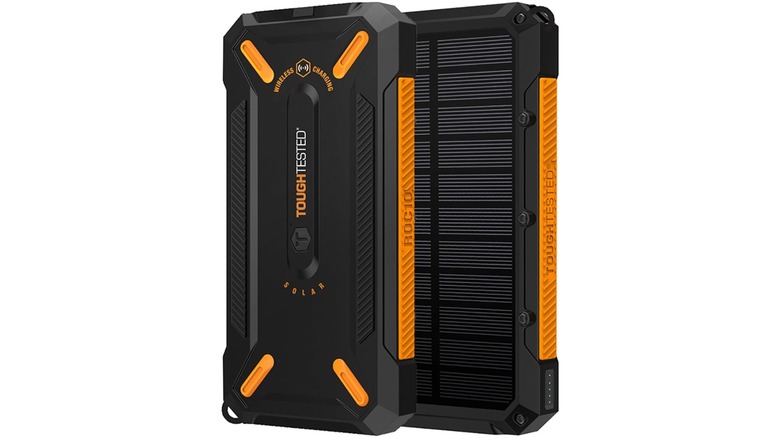
One of the first things that goes into your backpack when preparing for a camping trip is a power bank. However, this ToughTested 10000 mAh Solar Power Bank is one option you'll want to skip. For starters, multiple users report that the solar charging feature is practically useless. In one YouTube reviewer's test, after leaving the power bank in direct sunlight for five hours, it only generated enough charge to bring a phone up to 30%. That's a pretty disappointing return for that much time in the sun. And even then, that YouTuber was one of the lucky ones. Others have reported their units didn't charge at all from sunlight, even after hours of exposure.
In addition, several owners have found out the hard way that this device isn't as rugged as ToughTested marketed it to be. One review described how the power bank cracked open after a two-foot drop, the very first time the device experienced any impact. Another owner says that the solar panel separated from the main housing when the temperature hit around 80 to 95 degrees Fahrenheit, which is hardly extreme for a sunny camping day.
More concerning is how often people complain about this device failing prematurely. One buyer said their power bank lasted less than two months before dying. Another reported that their unit stopped working, and even after ToughTested replaced it, the second one failed in a similar fashion. All these reviews contribute to why this product holds a 3.4-star rating on Amazon, and more importantly, it's not the power bank you want to rely on when you're off the grid.
OnePlus Watch
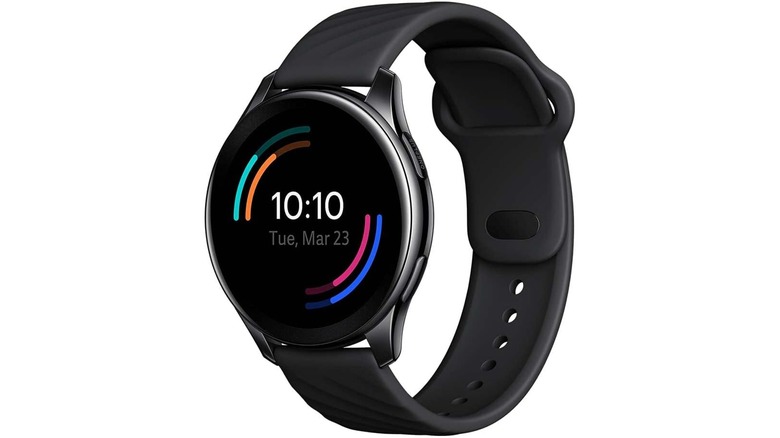
Earlier this year, OnePlus released the Watch 3, which has been well-received by tech enthusiasts. But at $350, you might be tempted to go with the original OnePlus Watch, priced at $160. If that's something you've considered, we'd strongly advise against it, because the older model leaves a lot to be desired. The biggest problem is that you can't count on it to track basic fitness activities. For multiple people, there's a noticeable gap between what the watch records and how many steps they actually take.
For instance, one user took a long walk, building up to over 15,000 steps. Midway through, the watch reset itself, and the count dropped to around 7,000. When they checked the OnePlus Health companion app on their phone, it showed accurate numbers that matched data from Google Fit, confirming that the problem was with the watch's internal tracking, not the overall system. The GPS performance is another major letdown. Users have found that it displays inaccurate location data, often because the watch takes too long to acquire a satellite connection.
So, if you're planning to rely on it to track a trail or log a route, you know that's most likely going to put you in a fix. Another area where you can expect some inconsistency is sleep tracking, which is something you might actually want to monitor on your trip. One user woke up to find no sleep data logged in the OnePlus Health app. When they checked the watch itself, the data was there. For some reason, it had simply failed to sync. By all indications, this isn't the smartest watch for the backcountry.
CONPEX 25000lm LED Telescopic Camping Light

Lighting is a priority for any camper, and a product like the Conpex 25,000 lm LED Telescopic Camping Light sounds like it could illuminate an entire campsite. And it does, at least in terms of brightness. It delivers 25,000 lumens, which is more than enough, and the setup is fairly simple, taking around 5 to 10 minutes. On paper, you get a tall, adjustable light source that can replace a cluster of smaller lanterns for $130.
But it has one major flaw: the ground stake system that's supposed to hold the telescoping pole upright. Instead of having a sharp point, the bottom is rounded, which makes it very difficult for the stake to penetrate the soil and anchor securely. Users report that getting the stake into the ground is a struggle. To make things worse, you can't hammer it into the ground, and if you try to force it by pushing hard, you risk breaking the bottom plate that supports the pole sections.
Even if you somehow manage to get the stake into the ground without damaging it, the problems don't stop there. The stake doesn't have enough strength to properly support the extended pole, especially when it gets wet or windy. The pole design itself doesn't help either. One user noted that when they raised the pole to full height, the weight alone caused the stake to bend, making the entire light lean awkwardly to one side. Because of all this, anyone who plans to use it long-term has to consider modifying the structure. Once you factor in the extra cost and effort of modifying it, it makes more sense to simply go for a better-designed light.
Jabra Evolve2 True Wireless in-Ear Bluetooth Earbuds
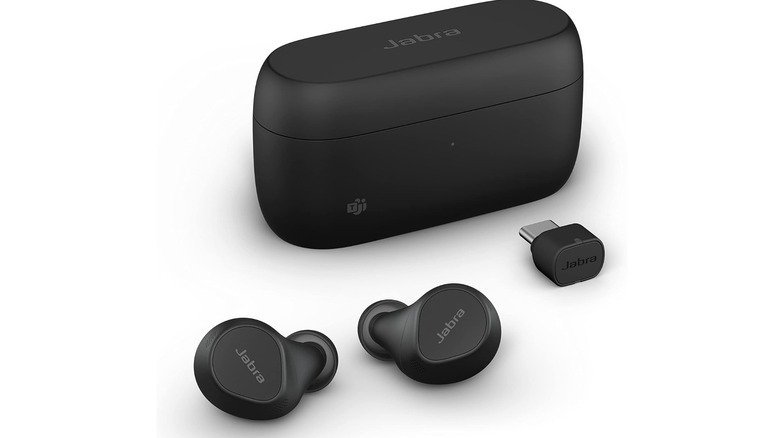
In another article on camping gear and tech that you should avoid spending money on, we told you to pick Bluetooth earbuds over speakers. They're more convenient and generally a better choice in terms of privacy. However, not all Bluetooth earbuds are worth your money, and one we certainly won't recommend is the Jabra Evolve2 True Wireless Bluetooth Earbuds. For one, these earbuds cost around $328 and still only have a 3.6-star rating on Amazon.
One major complaint users have is that the power-saving feature causes the earbuds to enter sleep mode after just a few seconds of silence. When audio resumes, there's a noticeable delay before the sound kicks back in. That might not seem like a big deal until you're on a call or in a remote meeting and keep missing the first few seconds of what someone is saying. Calls in general seem to be a weak point. Several users report issues with both outgoing and incoming audio quality, partly because the noise cancellation isn't great.
So if you're out camping and want to call friends or family back home, you're not going to have the clearest experience. Comfort is another issue. Multiple owners say these aren't pleasant to wear for long periods. According to one user, the circular shape of the buds just doesn't sit well in the ear. Even with the multiple size adjustments, you'll find people complaining that they're constantly falling out. If you plan on hiking, setting up camp, or doing anything active, you certainly don't want to be adjusting your earbuds every few minutes.
How we compiled our list

To put this list together, we read through reviews on Amazon, YouTube, Reddit, and other trusted consumer forums. The goal was to find gadgets that were popular enough to have a track record, but had managed to rack up multiple complaints from users. Once we had a decent list, we set a few filters. First, we excluded generic off-brand products. Everything here comes from brands with an established presence that you might even recognize. We also focused on products released within the last five years to keep the list relevant.
Now, it wasn't enough for a product to just have flaws. Almost every gadget has a few. Those flaws had to be major dealbreakers for camping. The truth is some of the products on this list actually have decent overall ratings, but we focused on the negative reviews from people who'd either taken them outdoors or experienced malfunctions that would be totally annoying if you were relying on them in the middle of nowhere. That was important to us because we wanted to highlight the gear that, on paper, seem like a good buy, but are most likely to let you down when you need it most.