

5 Pieces Of Tech That Prove Quality Matters More Than Price
We may receive a commission on purchases made from links.
It's not uncommon to try to save money wherever you can, because being a smart shopper means you're always on the lookout for a good deal. Unfortunately, it's easy to fall into the trap of not thinking about the long-term effects of your purchase just to save some cash today. There are plenty of cases in which reliability is worth the upfront cost, and that couldn't be truer than with tech.
Just because two different products look the same does not mean they have the same quality, and the price can sometimes reflect that. Before you buy your next gadget, you should definitely think about the cost compared to the usability of the item. If you need it to last a long time, or you need to rely on it to work when it has to, the cost shouldn't be as big a factor as it generally is.
Ask yourself how much it would cost you if your device failed because you didn't spend the extra money, or whether you can rely on its data when needed. Being able to make a purchase with confidence, despite the higher price, will give you peace of mind.
Dash cams
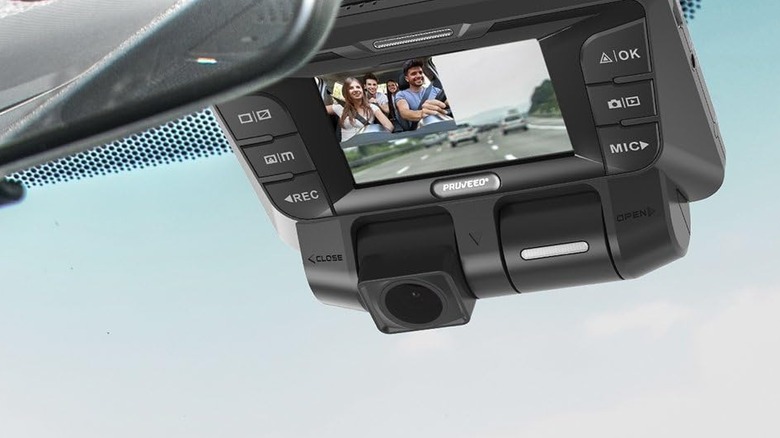
The main reason for having a dash cam is so that you have solid, objective, and indisputable evidence when an accident happens. If it fails the few times you need it, it is completely useless, making it a must-have upgrade for your car. That is why you need to make sure you spend the money needed to have a reliable dash cam when the time comes.
While you don't need a super expensive device, you really don't want to go after cheaper cameras that are $30 to $50, because they come with lower quality image sensors and processors. I've noticed the quality difference, and many come with only one camera instead of having one that looks inside the car as well. This second lens shows if you were distracted or did anything wrong, which helps a lot during a collision investigation.
I bought a $150 dash cam that helped me out when someone in the car said I was at fault for another driver changing lanes and almost hitting me when I drove for Uber. It was worth every penny because the report would have ended poorly for me. I have also gotten into accidents where my camera proved I wasn't at fault.
Chargers and power banks

Phones get more expensive as time goes on, which makes the risk of buying a cheap charger that much higher. Cheaper chargers often skip important things like proper voltage regulation and isolation, which are necessary to keep your phone safe during charging sessions. That means you could have saved $30 only to send unstable current that could break your $700 phone or worse.
Inconsistent power wrecks the sensitive management chip and can ruin the health of your battery. Low-quality chargers degrade lithium-ion batteries because of voltage fluctuations, heat buildup, and a total lack of proper charging protocols. In the worst-case scenario, issues with your charger can create fire hazards or even give you a serious electric shock.
This focus on internal quality applies to power banks as well. If you don't go for high-quality, trustworthy options from Anker, Belkin, or the phone manufacturers themselves, then you need to be careful about looking through customer reviews and safety standards. The price tends to be higher when you look at name-brand options, but the damage you do to your phone from not buying a good product could end up costing you much more.
Smart home security cameras
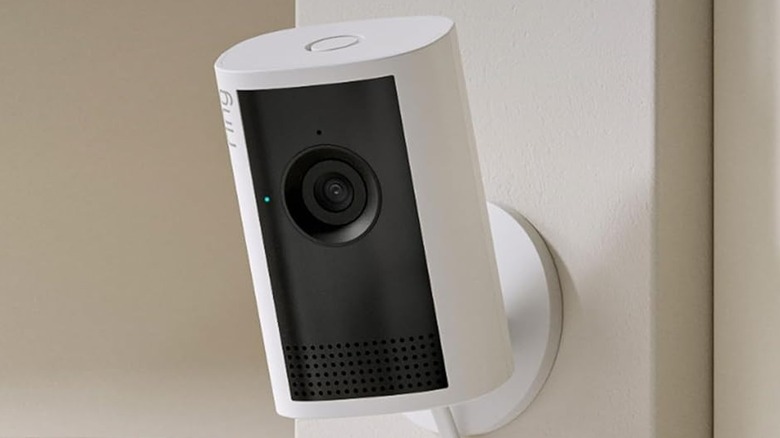
Security cameras are similar to dash cams because they need to work when it is absolutely necessary; otherwise, they're just there. That means they need to function through different weather, dust, and other circumstances that happen over time that would take out weaker models. Budget models may be tempting, but you're looking for something that will protect everything you hold dear.
Companies have to make a profit, and cutting back on price means cutting back on quality. If a camera isn't built well enough, it can lead to missed events, which basically means the camera failed to record the break-in or theft because the low-quality motion sensor was too slow to trigger. On top of that, lower quality images lead to grainy, blurry footage that won't distinguish faces or license plates.
Besides not working when you need them to, cheap camera modules could let attackers bypass authentication and get access to sensitive information like your Wi-Fi passwords. Worse, some attackers could gain entry to the device itself and use your cameras or footage against you. This is why you need to make sure your cameras get updates and are made to keep you safe.
Cordless power tools
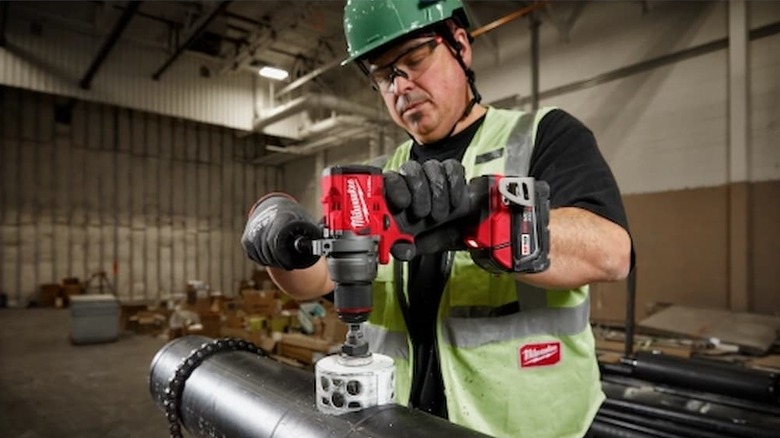
I've seen plenty of cordless power tools for small prices, and I even bought one from IKEA, but you'll find that "buy nice or buy twice" applies to these devices. You are limited to what you are holding, and you don't want it to be unreliable. In my experience, lower quality power tools do not have the same drill power as those from known brands.
A pain point for cheaper tools is the motor, which will struggle when you put it under constant heavy load. The motor overheats, the gearing is poor, and the triggers start to feel weak, and then it won't even keep your drill bit in place. These are real issues that I faced when I bought a $20 power drill from IKEA, which I would not trust with anything other than putting together that brand's furniture.
You are likely going to stick to a brand for years to come, and top manufacturers like Milwaukee, DeWalt, Makita, and Ryobi give you platforms that support a huge variety of tools. Some of these systems run more than 300 products from the same battery, meaning you can stick to your power source and switch the devices. This helps you save money when you're looking for "tool-only" versions, which is much better than losing a whole unit because it is too cheap to have replacement parts.
Smartphones (if you keep them for 3+ years)
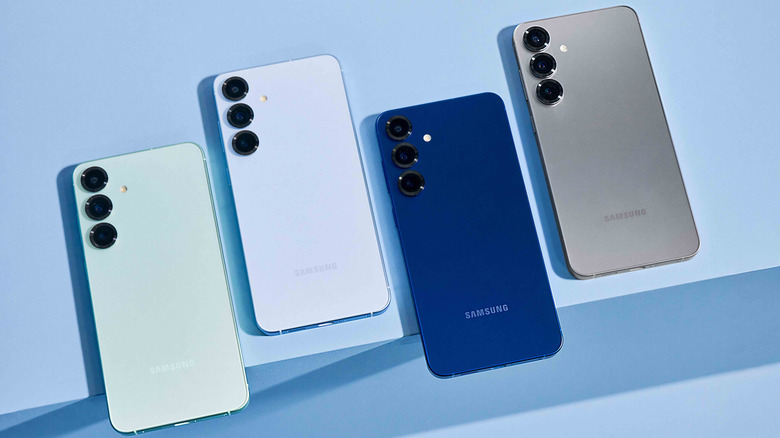
I spend a lot of time doing research before buying a phone, and I generally keep it for about six to seven years. If you are the kind of person who just upgrades every year, then grabbing a cheap phone to trade in for another is probably fine. However, if you want your phone to last a long time, then you need to make sure you spend the money on a reliable brand.
The real issue is that budget phones typically stop getting essential security updates and operating system upgrades after only a year or two. Not having proper software support can limit a phone's life, and not getting security patches typically makes a device unsafe to use. Also, as app developers update their apps, more processing power tends to be needed, and older phones sometimes aren't able to run apps.
If you look at it differently, putting your money into premium devices actually lowers the cost of owning them for longer because they hold onto their value much better. The high-end phones from major brands now often guarantee five to seven years of updates. While more expensive phones cost you a lot up front, I've always thought they were worth the price.