

What Exactly Is Lead Azide And Why Is The Army Detonating It In Iowa?
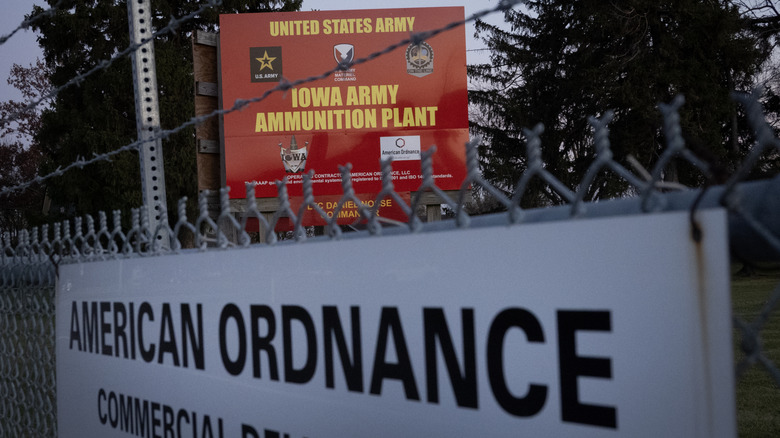
After plenty of back-and-forth, the U.S. Army plans to destroy nearly five tons of deteriorating lead azide at an Iowa ammunition plant on Wednesday, November 25, 2026. Though legal challenges and even the president himself threatened to put an indefinite pause on the detonation, a federal appeals court has officially cleared the way for Wednesday's operation. For those who haven't followed every twist and turn of this story, a few pressing questions remain: What even is lead azide, why does it have to be blown up, and what are the risks of doing so?
For context, lead azide is an inorganic explosive compound made from lead and nitrogen. That's not the same as the lead-acid in car batteries. Its main purpose is to set off other explosives, like military ammunition or blasting caps. Dry lead azide can explode from even the slightest disturbances. If stored improperly, everything from friction to physical impact to static electricity to heat can be enough to set it off. Its more stable cousin, sodium azide, is what makes airbags deploy.
This particular stockpile is at the Iowa Army Ammunition Plant in Middletown, IA. Army officials want it gone as soon as possible before the lead azide explodes on its own. Rather than transport it elsewhere, the military feels an intentional detonation at the facility is the safest way to get rid of it. But the main concern there is that the explosion could spread toxic lead particles into nearby communities and potentially even across state lines.
Why is the explosion still happening despite so much pushback?
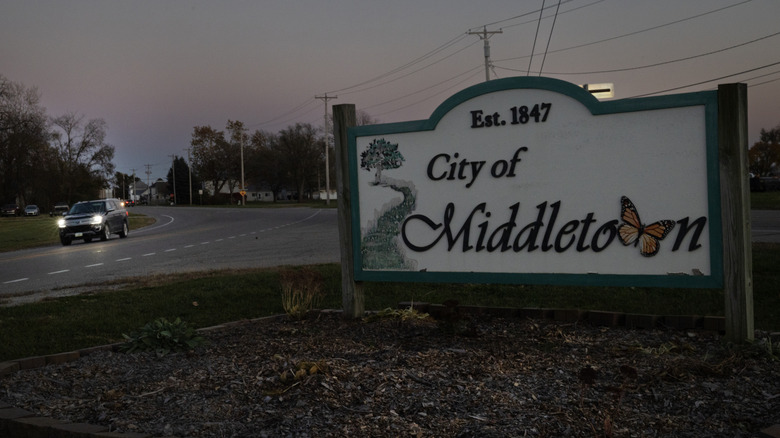
There are 68 drums of lead azide in all, and it's reportedly gotten extremely unstable in the more than twenty years it's been sitting there untouched. So unstable, in fact, the Army would rather detonate the drums where they're at than attempt to safely transport them anywhere else.
As of this writing, it's expected to go down like this: There'll be two rapid explosions inside specially prepared concrete and earth-covered structures. The Army will also use various techniques such as water saturation, misting systems, and surrounding sand-filled barriers to try and limit the spread of hazardous debris. But airborne contamination will nevertheless be a concern. To be clear, even the slightest amount of lead exposure can lead to serious health risks. There is no established "safe" exposure to the element. But the Army argues there's no safer way to get rid of these drums, either.
The Environmental Protection Agency has known about the volatile stockpile since March 2026. The military has wanted to detonate it since September. The EPA initially cleared the operation in November, but environmental organizations challenged the permit over concerns about the blast radius and cloud of debris that could travel tens or hundreds of miles outside Middletown. For now, the Army is moving forward with the Wednesday date. Residents have been advised to leave the area if possible, or remain indoors with windows, doors, and outside-air ventilation systems closed.