

Signs That It's Time To Replace The Compensator On Your Harley-Davidson
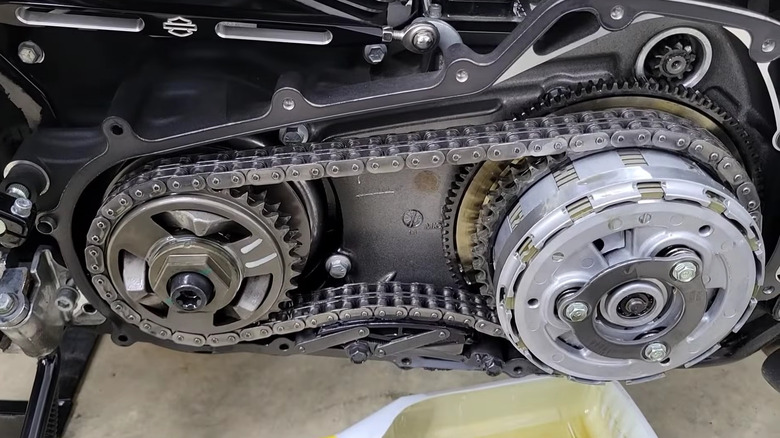
A compensator is one of the most ignored and unknown parts of a Harley-Davidson — after all, it's mostly limited to Milwaukee-Eight engines and Twin Cams. Located inside the primary drive, this part acts as a shock absorber that protects the drivetrain, engine, clutch basket, and primary chain from torsional stress and harsh power pulses. This means that if it fails, the results can range from loud, unpleasant noises to engine and drivetrain damage. Luckily, before the compensator on your Harley-Davidson fails, it will start to exhibit unusual behaviors that you can easily detect.
You'll probably ignore a clunk, especially one that occurs only a few seconds after a cold start and goes away quickly. And while it might seem like a normal issue for a big twin engine, if this issue persists, have the motorcycle checked as soon as possible. That's a prominent sign of a failing Harley-Davidson compensator, and it could be caused by weakened springs, worn ramps, poor driving habits, or neglected maintenance. Sometimes, a clunk or knock on a cold start could indicate issues with the battery, starter cables, cam chain tensioners, or hydraulic lifters. That's why it's important that you visit your favorite mechanic or preferred pro when you hear anything out of the ordinary.
Other ways to tell if your Harley-Davidson is due for a compensator replacement
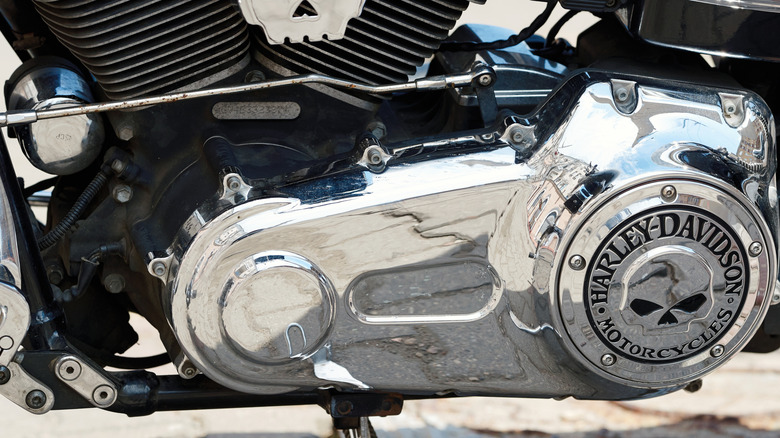
Compensators might be built tough, but they're just as susceptible to wear as any other complex motorcycle part. For this reason, if you hear a weird rattling or knocking sound when rolling off the throttle, your old compensator is the most likely suspect. These weird sounds could point to weak spring packs, damaged or galling ramps, or excessive wear on the mating surface. It's worth noting that other common engine problems can cause similar rumbling, which is why you should visit a mechanic if you hear these noises.
Road surfaces, spinning wheels, and moving engine parts will naturally send some vibrations through the footpegs, handlebars, and seat. However, if your usual ride comes with excessive vibrations accompanied by strange noises, keep the compensator as part of your checklist when troubleshooting. You will also want to watch out for a weird noise that's more noticeable during startup but gradually disappears as the engine warms up. It could mean the compensators are failing, and not addressing the issue could lead to costly engine and drivetrain repairs.
How long should a Harley-Davidson compensator last
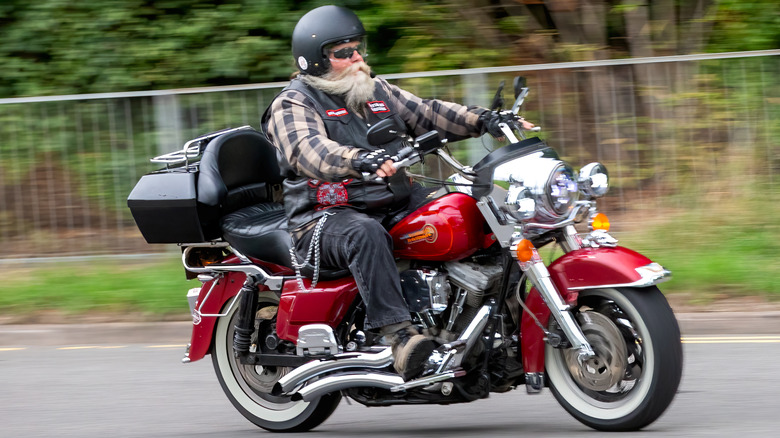
Like any other motorcycle part, the compensator needs regular maintenance, which includes primary inspections, changing fluids, and replacing worn springs. While it's easy to overlook these tasks, doing so can lead to unpleasant consequences, such as excessive vibrations and weird noises. The primary chain and engine (or drivetrain) components may even suffer from accelerated wear and tear, leading to costly repairs. With that said, even well-maintained compensators don't last forever. And as a cautious rider, you'll probably want to know how long your Harley-Davidson's compensator will last.
There's no hard-and-fast rule for predicting your compensator's lifespan, but you should expect to replace it every 20,000 to 25,000 miles. There are exceptions to this rule, however. Some Harley-Davidson owners may need to replace the compensator sooner, while others can wait a little longer. The type of engine your Harley-Davidson has and your riding habits, among other factors, can influence its longevity. If your motorcycle has a Milwaukee-Eight engine, for instance, you'll probably go a little bit longer without needing a replacement because of its robust nature. The catch is that they can break suddenly, sometimes without any noticeable signs of failure. Common mistakes people make when riding a motorcycle, like aggressive driving and touring with heavy loads, can also speed up the wear and tear on your compensator.