

How Hot Does Your Water Heater Need To Be & Should You Change It During Winter?
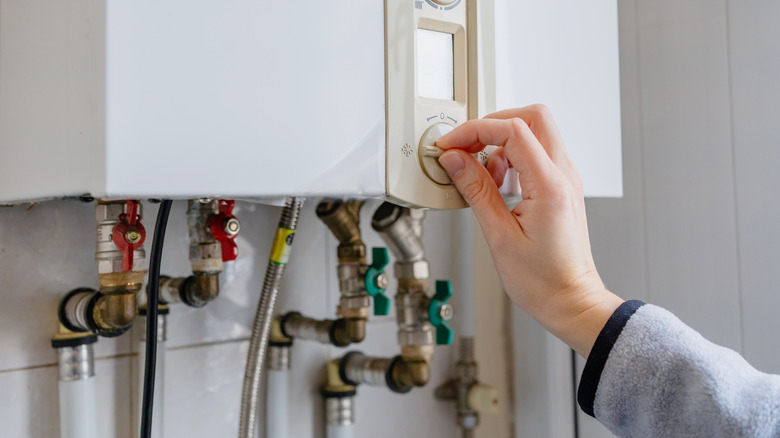
With cold weather setting in, many people across the U.S. are thinking about the best temperature to set their thermostat. After all, electric bills are skyrocketing so it's important to get the right balance of comfort and cost. The same idea applies to your water heater, because the colder it gets outside, the more you might be tempted to make that water hotter. However, the U.S. Department of Energy recommends setting a residential water heater to 120 degrees Fahrenheit.
The U.S. Consumer Product Safety Commission is right in line with that recommendation, stating that 120 degrees Fahrenheit is the safest temperature to prevent injuries due to scalding hot water. Raising the temperature by even a small amount can cause the water to get much hotter than it needs to be and prolonged exposure to water at higher temps can lead to severe burns.
Compromising safety for the sake of having hotter water is a gamble because it could backfire. Increasing the temperature by just 10 degrees can result in burns after 30 seconds of exposure. 150-degree water is hot enough to give an adult third-degree burns in under two seconds. The best move is to follow the 120-degree guideline all year.
Tips for maintaining hot water during the winter
While the running temperature of your water heater should be 120 degrees Fahrenheit, that may not be the temperature of the water in the tank. The bacteria that causes Legionnaires Disease can actually grow inside of a water heater in water under 140 degrees. So, the tank may be set to 140, while the water you feel coming out of the tap is 120 degrees. This is possible thanks to a special mixing valve.
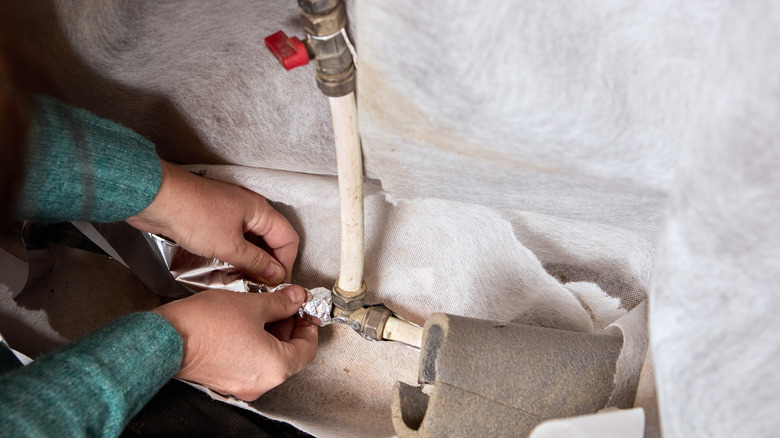
If you believe your water just isn't hot enough during the winter, there are some steps you can take that might make a difference. First, you can wrap your pipes with insulation, which can help keep the water hot. You can also do this on an electric water heater, though you may also want to add insulation under the unit as well. If you have an older water heater, you can install heat traps on the pipes, while newer models may already have these devices in place.
But if you take these steps and consistently have either lukewarm or cold water in the winter, there may be something else going on. It could be a minor issue like a tripped circuit breaker. It could be something more complex inside the unit that needs professional maintenance. Finally, it's possible that your water heater may need to be replaced. If so, you should contact a service technician to inspect your unit and remedy the problem.