

Do Electric Fireplaces Work As Well As Gas?
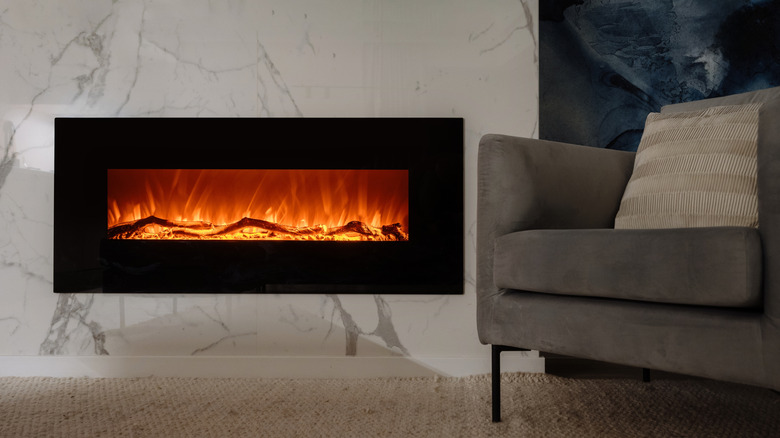
Electric fireplaces have become a popular choice for many homeowners thanks to their convenience, low maintenance, and easy installation. While some may admire the authenticity of gas fires, many modern electric fireplaces look like the real deal, simulating flames even with the heating turned off in warmer climates. They might be quirky, but do electric fireplaces work as well as gas ones?
To understand which type of fireplace is the most efficient, two important factors are worth considering: energy efficiency and thermal output. Electric fireplaces are more energy efficient than their gas counterparts, effectively converting almost 100% of the energy utilized into heat. On the other hand, gas fireplaces typically achieve only 70% to 90% energy efficiency under normal operation due to processes like venting and combustion.
Where gas fireplaces have a major advantage over electric ones is thermal output. Electric fireplaces typically have a maximum thermal power of about 5,000 British Thermal Units. For context, one BTU relates to how much heat is required to increase the temperature of one pound of water by a single degree Fahrenheit. Gas fireplaces carry far more raw power, outputting 20,000 to 40,000 BTU in most residential settings. This makes them more effective for heating multiple rooms or most of a small property. Alternatively, electric fireplaces are best suited for heating single rooms due to their considerably lower thermal output.
Is it cheaper to run an electric fireplace or a gas fireplace?
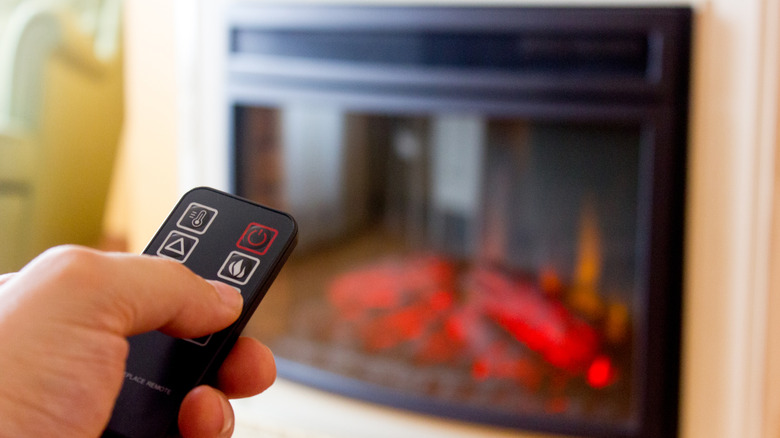
There are many notable perks of owning an electric fireplace. They provide easy installation and are cheap to set up, plus they don't carry the regular maintenance that gas fireplaces require. Lack of maintenance is one money-saving aspect of electric fireplaces, but what other cost factors are involved?
Considering running costs, there is little variation between gas and electric fireplaces. While an electric fireplace can increase your power bill by up to 40 cents per hour of use, a gas fireplace typically costs slightly more to run. However, it's important to remember that gas fireplaces offer far greater thermal output than their electric counterparts. It also goes without saying that fluctuations in natural gas prices and electricity rates will affect running rates.
Where money does become an issue is in installation costs. Electric fireplaces require virtually no setup. As they operate like fancy space heaters, setup can usually be completed in a spare afternoon. The biggest burden of purchasing gas fireplaces, however, is their expensive installation cost. Depending on the current conditions of your property, estimates show total gas fireplace installation costs ranging between $2,300 to $10,000. This accounts for modifications to venting, adding or extending gas lines, and building permits. Despite their higher initial investment, a gas fireplace can become a more valuable option than an electric one in the long term if you are looking to heat large areas of your home.