

3 Drawbacks Of Using Single-Stage Snowblowers
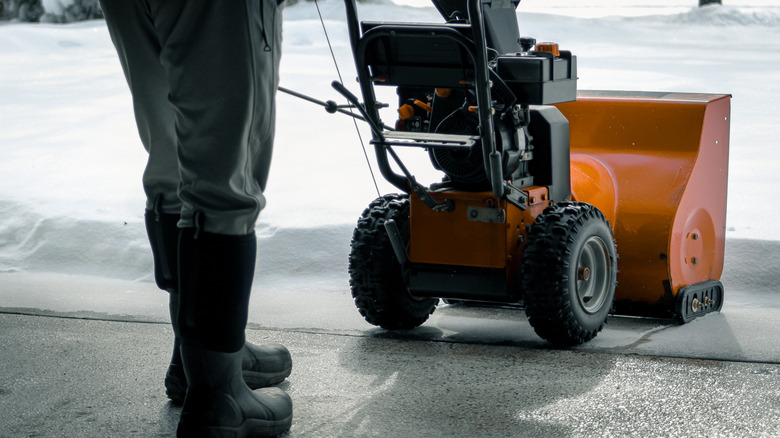
Different types of snowblowers clear snow in different ways. For example, a two-stage snowblower will typically have an auger that pulls snow off the ground, along with an impeller that distributes the collected snow out through the discharge chute. A single-stage snowblower, on the other hand, will usually have the auger, but not the impeller. As such, this type of snowblower isn't necessarily ideal for everyone.
It's important to understand the potential drawbacks of a single-stage snowblower before buying one. You don't want to spend money on a machine that won't serve your needs during the winter months.
That said, for some, a single-stage snowblower is perfectly adequate. Just remember, even if you've identified the right type of snowblower for your property, the manufacturer can also make a significant difference in how useful the machine actually is. Thus, while learning about the differences between various types of snowblowers, you may also want to research the reputations of major snowblower brands.
A single-stage snowblower is only useful in areas with limited snowfall
The technical differences between single-stage, two-stage, and three-stage snowblowers might matter less to you than what those technical differences mean for a snowblower's performance. Essentially, the more "stages" a snowblower has, the more efficiently it can clear snow. More stages also means a snowblower can clear a larger volume of snow in a shorter time.
That's why a single-stage snowblower isn't the best option for someone who lives in a region prone to substantial snowfall. Although a respectable single-stage snowblower may be able to throw snow as far as 25 feet away from the spot it's clearing, even a quality single-stage snowblower can only operate in snow whose maximum depth is nine inches.
If you live in a region where there's any chance of major snowfall, you should invest in a type of snowblower designed to handle that much snow. A single-stage snowblower is only worth considering if you tend to only get a few inches at most.
A single-stage snowblower may only clear a narrow swath
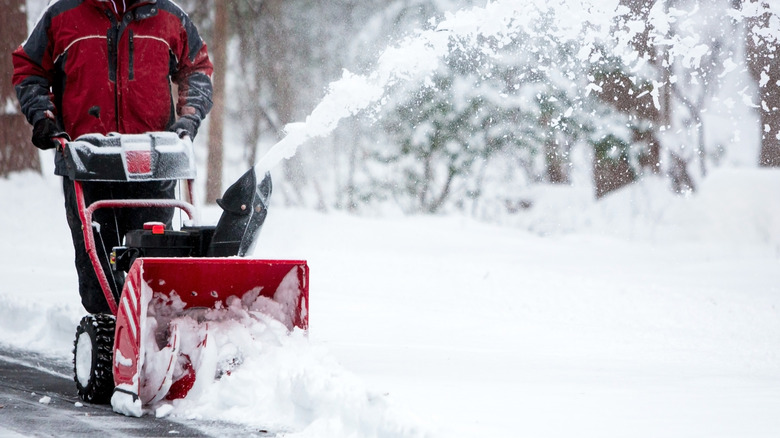
The volume of snowfall your region tends to receive is just one factor to keep in mind when deciding what type of snow blower to purchase. You should also consider the size of the areas of your property you expect to remove snow from. Most of the time, a single-stage snow blower will be narrower than two-stage or three-stage models. Naturally, the wider a snow blower's frame, the wider a swath of snow it can clear.
This highlights a reason you might lean in the direction of a two-stage or three-stage snow blower, even if you don't necessarily expect to see a blizzard's worth of snowfall this season. While the snow you're clearing may not be particularly deep, you might have a large property to maintain. A snow blower with a wider frame can typically help you get the job done more quickly than a single-stage snow blower would.
A single-stage snowblower is a poor choice for certain types of surfaces
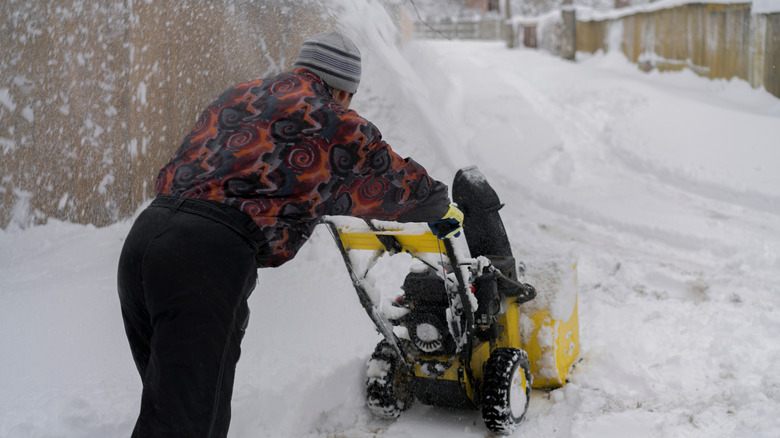
The terrain and surface materials you plan to use a snow blower on should also inform your decision of which type to purchase. Specifically, a single-stage snow blower isn't a good choice for a gravel driveway. With a single-stage snow blower, the auger may directly touch the ground when sucking snow into the machine. On a gravel surface, this can mean the snow blower will also pull up stones. If you have a gravel driveway, you're better off using a two-stage snow blower, as it will have an auger that won't touch the ground.
In addition, a single-stage snow blower isn't useful on slopes. If it's a gas-powered single-stage snow blower, it may be prone to veering sideways on a sloped surface, while an electric single-stage snow blower may not have sufficient power to handle such an incline.
Granted, a single-stage snow blower might be less expensive than other types, but you shouldn't buy a snow blower that won't serve your needs just because it's affordable. Instead, you may research cheap snow blowers that still deliver results. This is an important investment, and the more research you conduct, the better your chances of getting the right machine for your snow clearance needs this winter.