

What Is A Heat Pump Water Heater And How Does It Work?
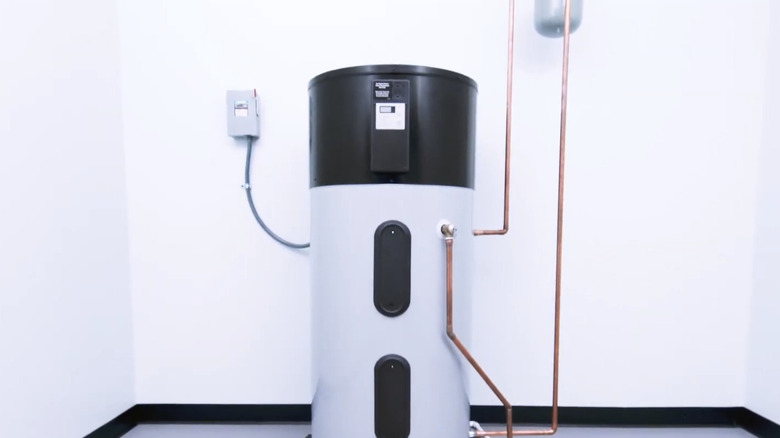
If you're constantly having to troubleshoot your home's electric water heater, it might be time to consider an alternative. The same can be said for those looking for a way to cut their utility bill and invest in a more efficient method to heat their household's water supply. One solution: a heat pump water heater.
Unlike conventional electric water heater brands that generate heat using electrical resistance elements, heat pump water heaters take warmth from the surrounding air and transfer it into the storage tank. This mechanism translates to as much as 70% less energy consumption than conventional water heaters when using an Energy Star-certified appliance.
Although their purchase price and installation costs are typically higher than an electric water heater system, the potential savings over their operating lives make them well worth considering. According to Energy Star, a family of four can save about $550 annually on electricity by switching from a standard electric to an Energy Star-certified heat pump water heater. These also have an expected service life of up to 15 years, as opposed to just eight to 12 years for traditional tank water heaters.
How heat pump water heaters work
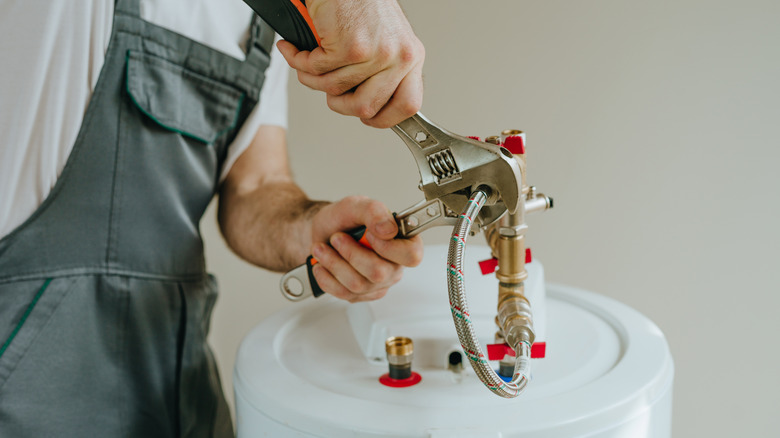
To really get a hold of the science behind heat pump water heaters, think about the way a fridge works and reverse the process. Instead of expelling heat from its interior, these appliances pull heat from surrounding air and channel it into the water tank. Its fan draws in ambient air and directs it across refrigerant-filled evaporator coils. As the refrigerant absorbs that thermal energy, it moves through a compressor that raises its pressure and temperature. The heated refrigerant then passes through the water tank's condenser coils, transferring its warmth to the water inside.
Because the appliance uses existing ambient warmth instead of relying solely on electricity to produce heat, it can do the same basic thing as a traditional water heater with considerably less energy. That said, some models do include conventional electric resistance heating elements to make up for those times when a household needs more hot water than the heat pump alone can provide. You'll see these referred to as hybrid water heaters because they can switch freely between the two.