

Is An Engine Ruined If It Overheats?
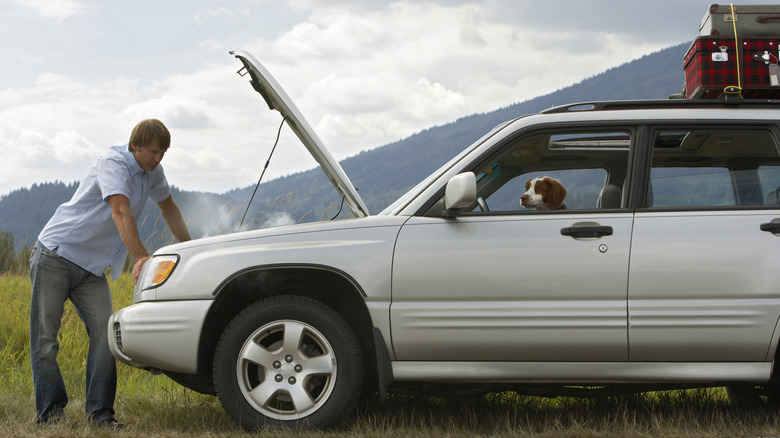
Conventional gasoline engines need three things to generate power: fuel, air, and a spark. When fuel and air ignite, they release energy and produce combustion byproducts, including water vapor, carbon dioxide, and plenty of heat. When it comes to temperature, though, every engine has a sweet spot. Once it gets there, oil flows as intended, internal components expand to their proper tolerances, and the engine runs at its most efficient.
However, if your car's engine starts overheating, you could be in for a heap of trouble. But are engines completely ruined if they overheat? The short answer is no, not necessarily. An engine that gets shut off at the first sign of trouble is usually repairable. Oftentimes, the fix is as simple as replacing whatever caused the problem, like a leaky hose or a stuck thermostat.
That's where the good news ends, though. According to a CarParts guide reviewed by an ASE-certified master technician, that sweet spot sits between 195 and 220 degrees Fahrenheit for most engines, and cylinder heads can "expand and warp or crack when the engine is overheated for an extended period of time" above that sweet spot.
If you keep pushing it, you could end up with a blown head gasket, cracked pistons, or a cracked block, at which point a rebuild or a replacement engine might be your only option. Ultimately, whether your engine survives comes down to how hot it got and how long you kept driving it while it was overheating. Below, we'll look at what to do the moment an engine starts overheating — and, just as importantly, what not to do.
What to do when your engine overheats
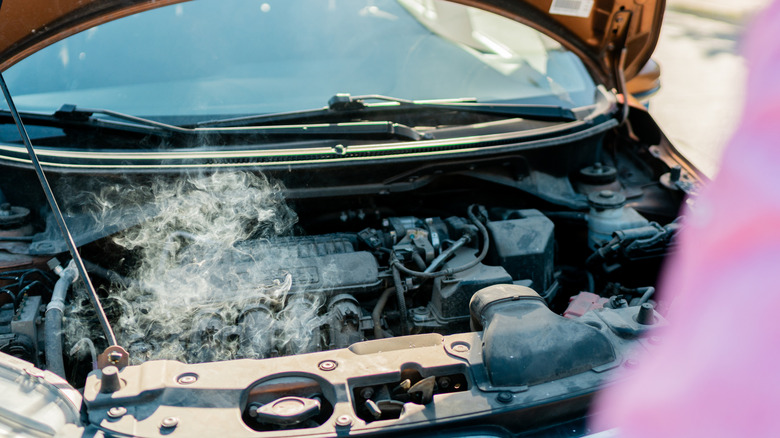
Engine parts expand and contract depending on your vehicle's internal temperature. If the heat gets too extreme, that expansion can lead to serious problems. Cracked engine blocks are among the worst things that can happen to an overheated engine, but quick thinking and swift action can help prevent further damage.
The moment you notice the needle on your temperature gauge in the dreaded red, turn off your A/C and turn the heater all the way up. Hot coolant is already flowing through the core, so turning up the blower dumps some heat into the cabin and away from the engine. A stationary car leaves the radiator relying entirely on the fan instead of natural airflow, so if you're stuck in traffic, crawling slowly is better than sitting still. From there, AAA's advice is to put your hazards on, pull off to the safest location away from traffic, turn your engine off, and call for a tow to a repair shop. It also doesn't mince words about trying to add coolant yourself, citing the risk of "severe burns and potentially thousands of dollars of damage."
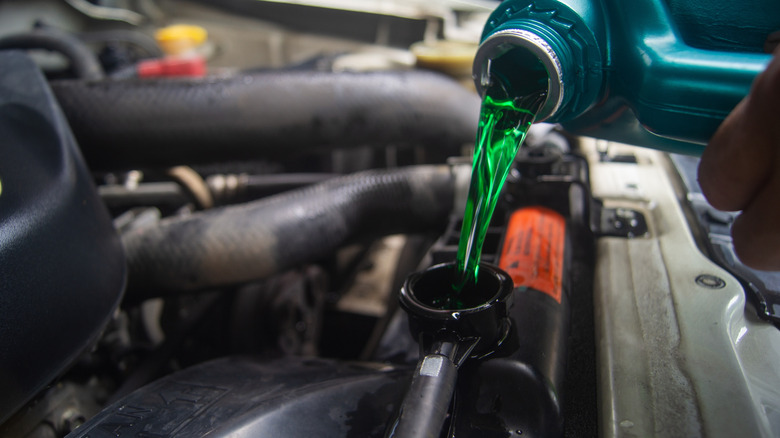
That said, if you do decide to add coolant, you first need to wait for your engine to cool down. A good rule of thumb is to wait a minimum of 15 to 30 minutes before you even pop the hood open. It's best to wait a few hours before topping up your coolant with whatever variety your owner's manual specifies. Whether you add coolant yourself or not, you should get your car towed to the closest auto repair shop to check for things like milky oil, coolant leaks, and white smoke from the tailpipe. These are all classic warning signs that the engine damage went deeper than you may have thought.
What not to do when your engine overheats
When your engine overheats, the worst thing you can do is to keep driving. The only way to stop producing even more damaging heat is to stop your engine from burning more fuel. Firestone warns that damage "can begin within just a minute or two of overheating," so always stop safely as soon as possible when your engine overheats.
You should never open the coolant cap while the engine is hot, either. A typical coolant mixture of antifreeze and water boils at about 220 degrees Fahrenheit, and a radiator's pressure cap can further increase the coolant's boiling point. If you were to lean over the engine while removing that cap, you'd be in the path of a coolant geyser, which would turn a vehicle breakdown into serious personal injuries. Splashing cold water onto a hot engine can also crack the very metal you're trying to protect, so never attempt that, either.
Hazards besides steam can rise from underneath the hood, too. If you see flames, sparks, or dark smoke, treat it as a fire and put at least 100 feet between everyone and the car, then call 911. Be sure to leave the hood shut, since lifting it would give any fire a fresh supply of oxygen. Even if you carry an extinguisher in your vehicle, the U.S. Fire Administration's advice is clear: "Do not try to fight the fire yourself."
All in all, there are many potential causes of an overheating engine, and how you handle them depends on the problem. Avoid inspecting or handling hot engine components yourself; escaping steam, pressurized coolant, and hot metal surfaces can cause serious burns. If you act quickly and avoid these mistakes, your engine stands a better chance of surviving a run-in with overheating.