

TP-Link's Wi-Fi 8 Routers Just Hit Another Major Roadblock In The US

Even as the Wi-Fi 8 standard remains in development, router manufacturers are gearing for a busy 2027 with new products that support the new specification. TP-Link went as far as to preview its lineup in September with the Archer 8 Ultra router and Deco 8 Ultra mesh system going up for pre-orders in certain regions. The company, however, did not extend those pre-orders to one of its major markets: the United States. We may now know part of why that is.
Bloomberg reports that the FCC's Office of Engineering and Technology has denied safety authorizations for four TP-Link products after it "tentatively determined" that they exceeded power usage limits. The agency notified the company on October 15 and requested correspondence explaining the discrepancy in its product attestations by October 30. If TP-Link cannot resolve the FCC's concerns, it could be subject to fines, seizure of inventory, and/or a sales injunction in the country.
Under FCC chairman Brendan Carr, the commission has leveraged enforcement actions in line with Trump administration priorities against broadcast organizations as well as foreign tech manufacturers. In March, the agency began requiring companies making routers outside the U.S. — effectively all of them — to seek conditional approval for its products in response to a 2024 series of router-based cyberattacks by Chinese state-sponsored agents. Asus, Amazon-owned Eero, Netgear, Nokia, and a host of others have been granted approval, but not TP-Link.
An embattled TP-Link dangles a carrot for the Trump administration
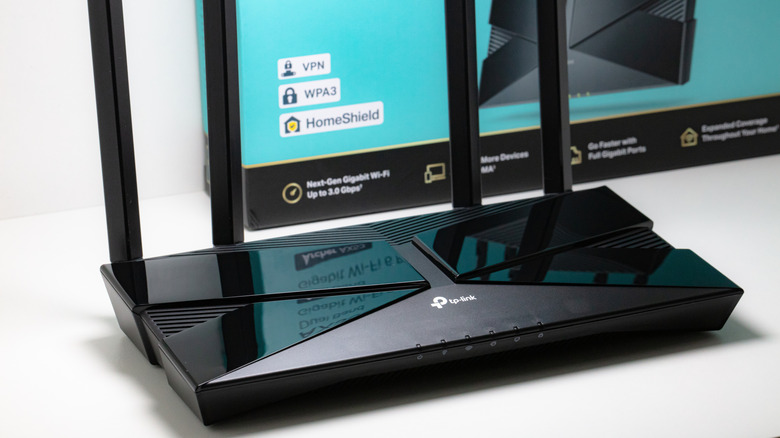
The Department of Justice has reportedly been investigating TP-Link since late 2024 for its anticompetitive low-ball pricing as well as on national security grounds for being prone to remote exploitation. Republican lawmakers urged the Department of Commerce in 2025 to ban sales of TP-Link products in the country. In April this year, the DOJ launched a remote DNS reset campaign on thousands of U.S.-based TP-Link routers that were allegedly compromised by Russian military operatives who were netting unencrypted sensitive personal data, credentials, and login tokens. The company faces lawsuits from Florida and other state governments accusing it of misleading consumers about the safety of its products. TP-Link has denied antitrust allegations, issued patches against the exploits used by Russia, and insists its routers are untampered and secure.
TP-Link was founded in China in 1996 and began selling in the United States in 2008. In 2024, TP-Link split into two companies: TP-Link Technologies in China and California-based TP-Link Systems. The American spin-off maintains it has no connections to its Chinese counterpart and manufactures its products in Vietnam.
On October 19, four days after the FCC notified TP-Link of its authorization denials, the company announced its intention to have U.S.-based Key Tronic assemble TP-Link routers domestically at its Mississippi facility, potentially investing up to $1 billion into the initiative. In fact, some of the first products it expects to roll off the product line include Wi-Fi 8 routers. TP-Link has told The Verge, however, that it would still prefer to receive conditional approval from the FCC before it proceeds. The proposal of onshoring manufacturing jobs could soften scrutiny from the Trump administration, notorious for its tough approach to China on trade and security.