

Nitrogen Gas Vs. Hydraulic Shock Absorbers: Which Type Is Better For Daily Driving?
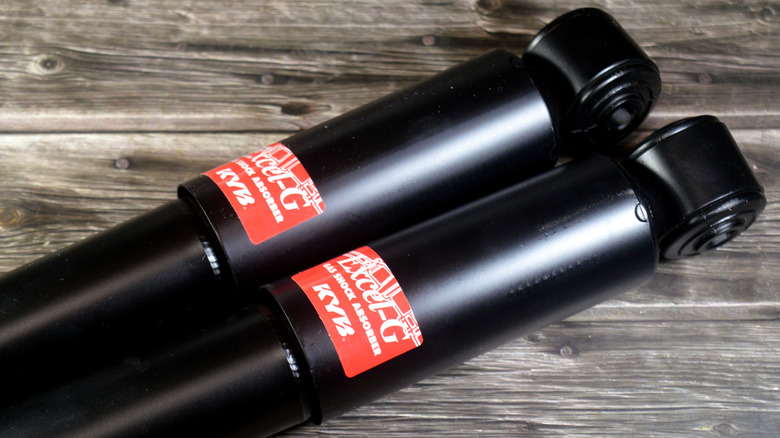
To address the issue of which type of shocks is better for your daily driving needs, it is first necessary to ask: What kind of a driver are you and what type of car do you drive? If you are performance-minded and drive a vehicle to match, you are likely to be much happier with shock absorbers that use nitrogen gas.
This is because gas shocks hold pressurized nitrogenwhich presses on the oil inside the shock. This provides a firmer, more responsive ride quality that is appreciated on performance cars, four-wheel-drive vehicles, and any other vehicle where these qualities are required. If your car still runs on non-gas hydraulic shock absorbers, you may even want to upgrade to gas shocks when they wear out, based on how long shocks last and what factors might affect their lifespan.
But if by "daily driving" you mean driving at a leisurely, relaxed pace around town or on a highway trip, and doing those things in an average, non-high-performance vehicle, then you will likely be much better off with your garden-variety, less expensive, oil-filled hydraulic shock absorbers. Hydraulic shocks give you a more comfortable ride that works well for normal drivers who rarely push their vehicles to the limit. It is also possible that you have both struts and shocks fitted to your vehicle, in which case you should know the difference between the two types.
What else should you know about nitrogen gas and hydraulic shock absorbers?
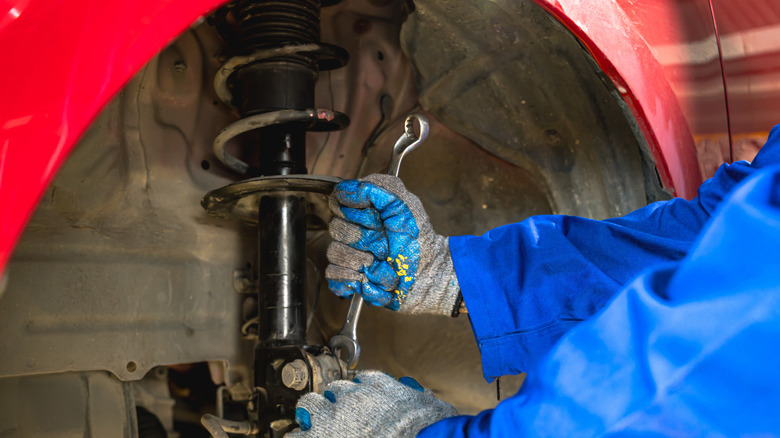
Regardless of the type of shocks that came as standard equipment on your vehicle, their primary purpose is to keep your car under control as it corners, brakes, and hits any random bumps that may occur along the way. The specific type of shock that you choose to use should reflect your driving style and your car's capabilities.
Gas shock absorbers typically keep their nitrogen gas either in a separate chamber or mixed together with the hydraulic fluid. Some added benefits of gas shocks include improved resistance to heat, faster reactions to road irregularities, and more even performance when the going gets rough. Gas shocks also reduces the hydraulic fluid's tendency to foam, a problem that can sap a shock's effectiveness under extreme conditions. Gas shocks tend to be more expensive than hydraulic shocks, due to their more complex design.
Hydraulic shock absorbers, on the other hand, rely on fluid alone to soak up road impacts and maintain the stability of your vehicle. When you encounter a bump or a pothole, the movement of the wheel forces the shock's piston to send its oil through specifically designed openings and valves within the shock, a process that absorbs its energy and smoothens the ride. Hydraulic shocks are generally less expensive than gas shocks, thanks to their simpler design. Hydraulic shocks also provide a softer, more relaxing ride, though like any shock, they need replacing at regular intervals. For most daily drivers in everyday cars, hydraulic shocks will do the job, while gas shocks earn their little extra cost on the vehicles built for performance.