

These Common Mistakes Could Be Killing Your Subwoofer
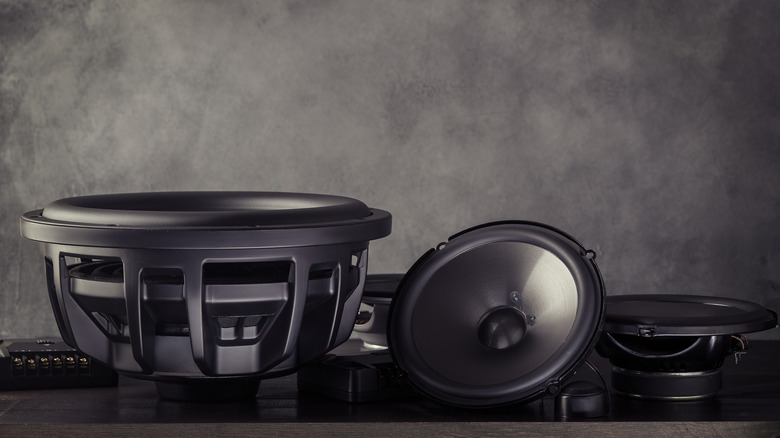
If you're always cranking up the bass when listening to your favorite music, installing a subwoofer is a great investment for bringing out rich and clear low frequencies. However, installing a subwoofer isn't as simple as shopping for a desired model and placing it anywhere — there are some important precautions to take to prevent damage and maximize audio quality.
While distortion and similar audio defects may not be pleasant to listen to, they can also be a warning sign of potential damage. Proper placement and installation are vital to preserve longevity and avoid wear and tear. Subwoofers, like all speakers, can become fragile when exposed to excessive heat or pressure. So, it's important to pick the right subwoofer for your sound system and set it up correctly. Many assume overpowering is the only threat to your subwoofer. But there are many other factors involved, including where you shouldn't place your subwoofer. Let's look at some common mistakes that could be killing your subwoofer, and what you can do to prevent damage.
Overpowering the subwoofer
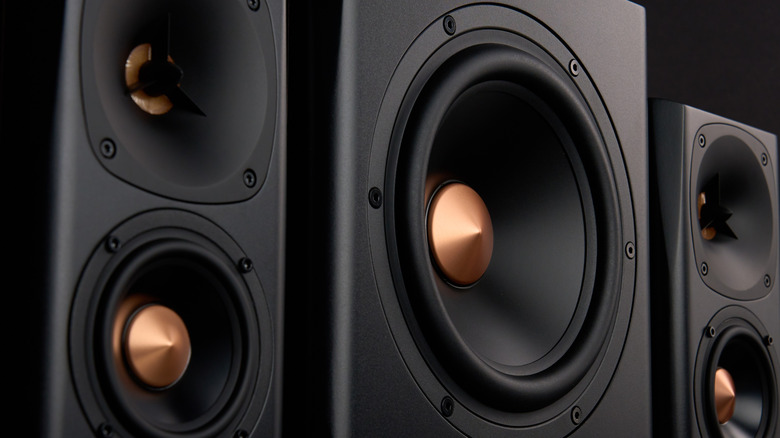
Overpowering is one of the most common practices that can cause damage to your subwoofer. Despite being inherently harmless, distortion can be a good indication of overpowering. However, when not addressed, overpowering can cause two serious types of damage. Electrical (or thermal) damage can occur when the voice coil heats up after too much power is delivered. Mechanical damage is an equally harmful potential threat caused by overpowering, which can result in ripped subwoofer parts, such as the cone or spider. This happens when the voice coil and cone move (or vibrate) more than intended because of excess volume or power.
While avoiding long periods of high sustained volumes is one way to prevent damage, the best thing you can do is to match your subwoofer and amplifier correctly. When comparing power ratings, the root mean square (RMS) continuous power rating is more important than the common peak ratings manufacturers often advertise. Try pairing your subwoofer with an amplifier that delivers an equal or slightly lower RMS rating. Don't go too low, however – this will cause issues described in the next common mistake.
Underpowering (and clipping)
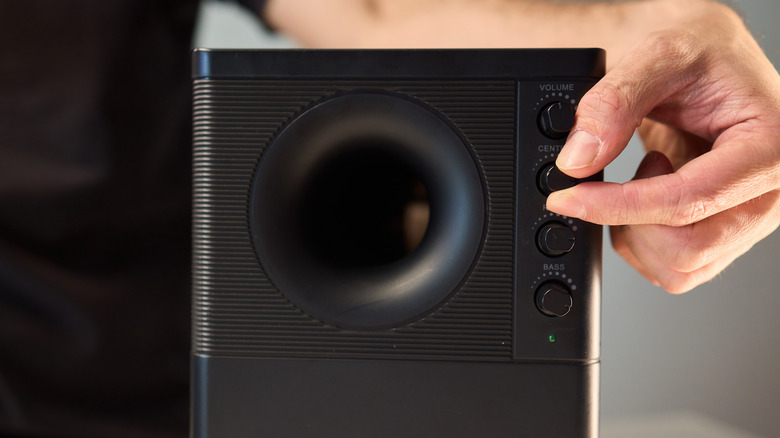
You may believe that sending less power or volume to your subwoofer isn't something that can cause it damage. The issues caused by underpowering aren't directly related to your subwoofer; rather, they are related to the clipped signals it can receive from an overworked amplifier. Clipping occurs when an amplifier is pushed further than its limits, for instance, when turning up the bass more than it can handle.
When a subwoofer receives a clipped signal, the distorted waveform can cause two major types of damage, making it just as harmful as overpowering. Either the cone is forced to move faster than it can, causing internal ripping, or the voice coil overheats from a lack of regular cooling. To avoid this potential mechanical or thermal damage, be cautious when adjusting your amplifier gain settings. If you hear signs of clipping, such as distortion, it's a good indication to dial down the gain. The safest way to prevent damage, however, is to ensure you match the RMS power ratings sensibly on your subwoofer and amplifier. A weak amplifier paired with a powerful subwoofer is exactly the kind of environment that encourages the sending and receiving of distorted, clipped signals that cause damage. So, when buying a new subwoofer, make sure to check the RMS ratings.
Using the wrong enclosure size
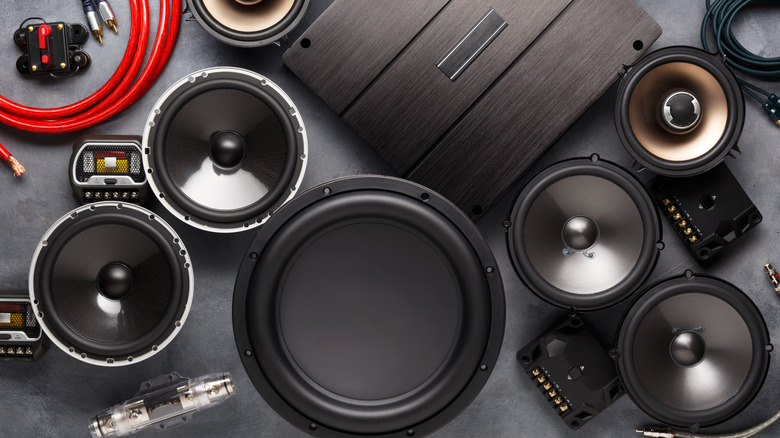
Many people think of enclosures as a box to store the speaker and nothing more. But a subwoofer enclosure is a vital part of the acoustic setup and, if handled improperly, can cause audio issues or damage. While those building a home theater setup have no reason for concern with built-in enclosures, those invested in car audio upgrades need to pay particular attention — enclosures don't have a one-size-fits-all design.
Size is one of the most important factors in fitting a subwoofer enclosure safely to prevent damage. A tight fit can cause a buildup of air pressure, which can cause a buildup of heat, potentially damaging internal components. If you're aware of how a subwoofer works, you'll know the voice coil is glued to a component called the former. Under excessive heat, the glue holding the voice coil may melt, leading to a burnout. On the other hand, an oversized subwoofer enclosure can cause the cone to move too far, which may lead to tearing. Ensuring your subwoofer is correctly tuned is also important, particularly for ported enclosures, as out-of-range frequency ranges can cause over-excursion damage. These factors are particularly important if you're building your own subwoofer enclosure.