

Should Your Upstairs Thermostat Be Lower Or Higher Than Downstairs In Winter?
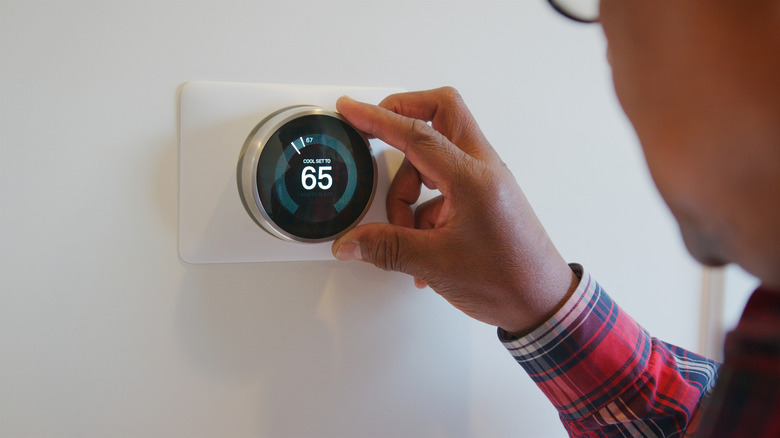
Whenever winter is around the corner, the thought of increased power bills crosses our minds. You might already know that heaters are one of the most energy-consuming appliances around the house. But they don't have to consume as much power if you are smart about the temperature control, especially in multi-story homes. Simply readjusting the thermostats upstairs and downstairs and optimizing them for efficient heating can save you a decent sum of money during the winter season.
When deciding what the upstairs and downstairs thermostat settings should be, some basic science comes to your aid. Hot air is lighter than cold air and therefore, it rises. This means the upstairs will typically be warmer compared to downstairs and may not need as much heating. So, generally speaking, the upstairs thermostat temperature should be lower than downstairs in winter. The difference between the upstairs and downstairs temperature could vary depending on a lot of factors, including your comfort level, but a difference of two degrees Fahrenheit is usually a reasonable starting point.
When you adjust the temperatures, the heat generated downstairs will gradually rise upstairs, warming the space. And the cooler air from upstairs will settle on lower levels, only to be reheated and moved back up. This way, your home remains warm in winter but the heating system doesn't use as much energy, thus saving you on power bills.
Tips to keep your home warm and save on your power bill
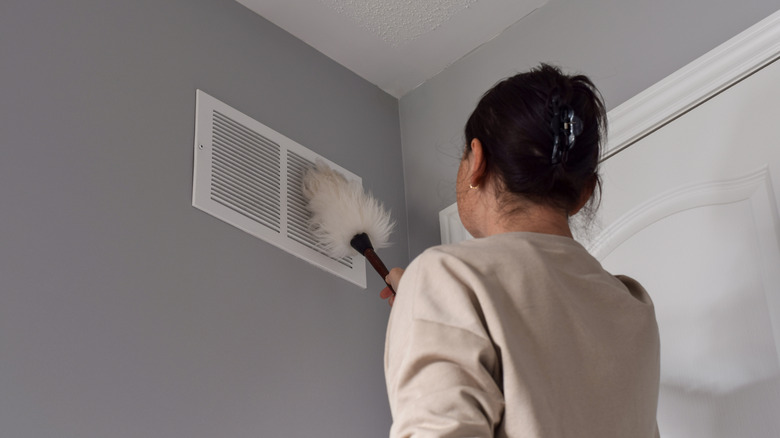
It's not just thermostat settings that can help keep your home warmer and the power bill in check. In fact, there are a couple of other changes and adjustments that can be useful. The first step is to check your HVAC system's air vents and make sure that they are not blocked by furniture or drapes. Blocked vents hinder air flow, which affects the heating system's ability to maintain optimal temperature levels. Next, check your ducts for leaks. If there are any, heat will escape (ducts are a common source of heat loss), and your HVAC system will have to work harder, resulting in increased power bills. Similarly, inspect the doors and windows for leaks, and if the seals around them look worn out, replace them immediately. Once you are done with the basic checks, move to the attic and verify that the insulation is in good shape. Proper insulation ensures that heated air doesn't escape into the attic, keeping your home warmer.
Apart from that, you can lower the thermostat's temperature at night by around three degrees, especially when it's time to sleep. You could use another blanket if you need to, but generally, the human body acclimatizes well to the slightly colder temperatures at night. This change alone can help you save big on the power bill, especially in larger homes.
That said, as long as you keep the upstairs temperature a couple of degrees lower than downstairs and avoid common home heating mistakes like using your oven to heat your home or leaving space heaters unattended, you should be able to notice savings on your power bill over the winter season.