

US Government Greenlights Testing Of New Heat Ray Weapon
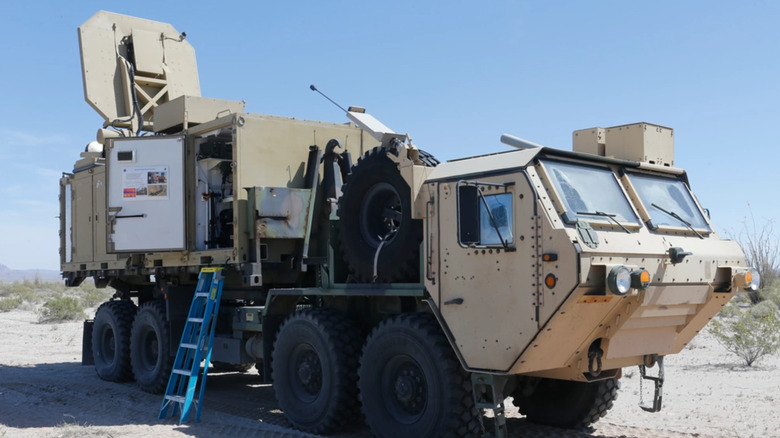
The United States military has a history of deploying alternative ways of dispersing crowds, such as Long Range Acoustic Device (LRAD) sonic weapons. Now the Pentagon has greenlit testing of a new heat ray weapon for potential use in operations at the southern U.S. border, according to reporting at CNN.
Called the Active Denial System (ADS), the system is a directed energy weapon intended to drive people away by rapidly heating their skin. A September memo signed by Defense Secretary Pete Hegseth authorizes a seven-month loan of an ADS, with the Department of Homeland Security (DHS) solely responsible for operating it and developing appropriate tactics and determining use cases. While the move comes as part of a broader effort to modernize the U.S. military arsenal — see the U.S. Army's recent acquisition of a high-energy laser system – ADS is not a new technology. Air Force researchers have investigated such a system's biological effects since the late 1980s.
The weapon functions by emitting an invisible, focused microwave beam at its target. The 95 GHz beam only penetrates the first 1/64th of an inch of the target's skin, yet produces intense heat and discomfort. According to a Government Accountability Office report, test participants moved immediately when subjected to the beam.
What testing establishes about effectiveness and safety
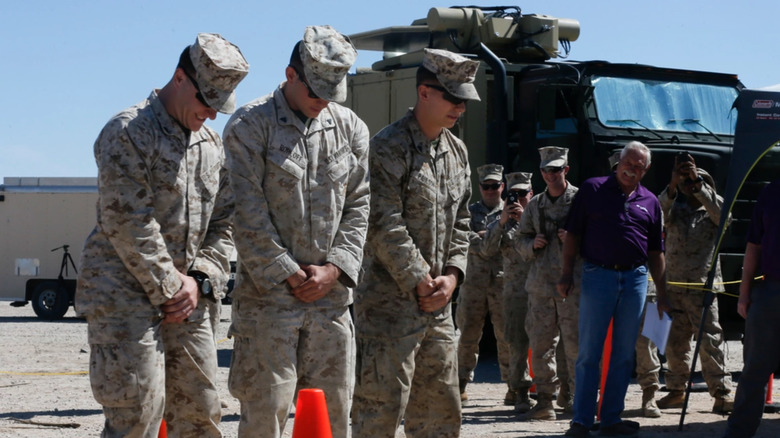
The military has been experimenting with ADS weapons since at least 2008. A 2017 Air Force Research Laboratory report describes ADS testing on participants at distances of 400 to 1,100 meters (roughly 1,310 to 3,600 feet), with researchers varying the beam's size and power to measure its effect on volunteers and how quickly they moved away after exposure.
The study found that larger illuminated areas produced faster target withdrawal. A similar test showed that a larger beam area was more effective at disrupting volunteers tasked with throwing tennis balls at a target, likely simulating protestors or rioters hurling rocks or other objects. According to the Air Force report, the heating sensation ceased when a target left the beam or when transmission was stopped. It also noted minor blistering injuries in about 0.1% of the 10,000 test subjects exposed to the microwave beam up to that point.
Bear in mind, however, that these results were from carefully controlled exposures in a research setting and not drawn from actual field deployments. Whether the system will prove effective in real-world scenarios remains to be seen.