

Why Do Some Buoys Have Solar Panels?
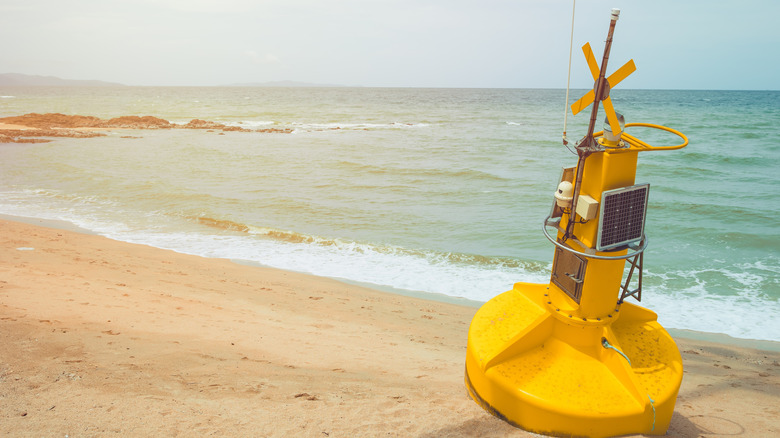
Buoys can serve a wide range of purposes, and that means their designs can also vary substantially. For example, red and green buoys mark out channels through waterways. These buoys may consist of basic shapes and construction. However, more sophisticated ones may collect and relay information via sensors; these types of buoys need a power source to keep that equipment running. Such buoys may rely on solar panels to generate this power.
The U.S. Coast Guard initially began outfitting many of its buoys with solar panels as far back as the 1980s. Even when a buoy doesn't have sensors to collect data, it may nevertheless have lights to help mariners with navigation. By powering these lights with solar batteries, the Coast Guard was able to minimize waste and save money, compared to when these buoys relied on acetylene batteries and primary 12-volt batteries.
The Coast Guard's solar initiative officially started in 1983. The goal of the program was to convert 10,000 aids to navigation (which also included lighthouses) from traditional batteries to solar power. This would represent 66 percent of the total aids to navigation the Coast Guard oversaw at the time. The program achieved its solarization goal by 1988.
Benefits of equipping buoys with solar panels
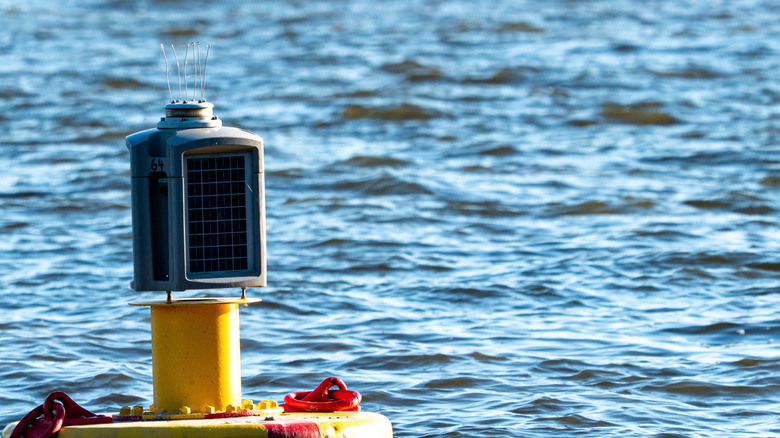
Again, by switching from primary batteries to solar panels, the Coast Guard reduced the environmental cost of maintaining buoys and other aids to navigation. The switch also boosted the efficiency of certain Coast Guard operations. For example, before being solarized, buoys receiving their power from primary batteries needed to have their batteries recharged every 12 to 36 months. Often, buoy tenders and Coast Guard cutters would be responsible for this task.
The same buoy can go five years without being recharged when it relies on solar power. This is one example of how the solar program has freed up resources at the Coast Guard.
That said, buoy technology is always changing and developing. New smart buoys are sophisticated floating monitoring platforms that offer capabilities buoys of a few decades ago never could have provided. As the technology improves, it's possible that future Coast Guard initiatives will implement additional solutions to further optimize its buoy fleet.