

Should You Flush A Sealed Transmission?
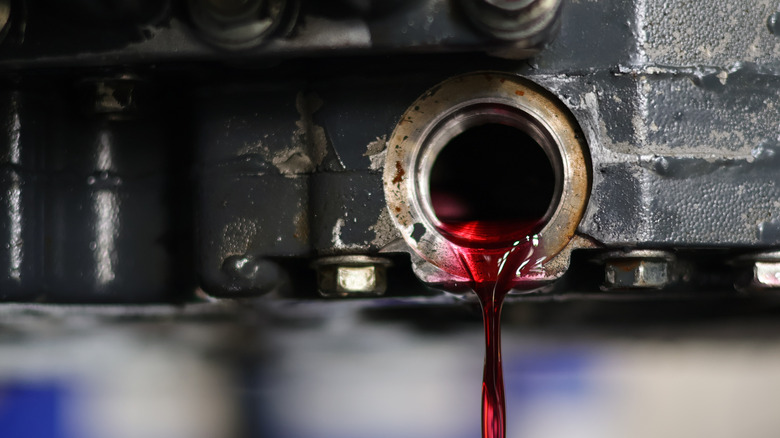
With how reliable and complicated modern transmissions can be, many manufacturers have opted to move to a sealed system. After all, what's the point of changing your transmission fluid if the transmission itself is designed to last the full warranty of the car? It's a theory that makes sense on paper; sealed transmissions carry a number of advantages inherent to their design architecture. For one, there's less chance of toxic transmission fluid spilling everywhere if you develop a leak. You also don't have to worry about the service interval, since typically these systems can't be changed by people at home (at least, not without difficulty and specialized tools).
That raises an important question. Let's say you buy a used car with a six-figure mileage count but no maintenance records. You change the oil, air and cabin filters, brakes — but hang on, what about the transmission fluid? If it's a sealed system, can you even flush it, and could it damage your transmission?
The service interval of the ZF 8HP automatic transmission commonly found in BMWs, in practice, follows the car's extended powertrain warranty. Toyota advertises similar longevity with its sealed transmissions, citing them as maintenance-free. That doesn't mean they're maintenance-free; like anything else under load, a sealed transmission's fluid can wear out faster depending on how the car is used. So if you suspect your used car has been towed a lot, for instance, you might want to have the fluid checked, sealed or not.
What's involved in flushing a sealed transmission?
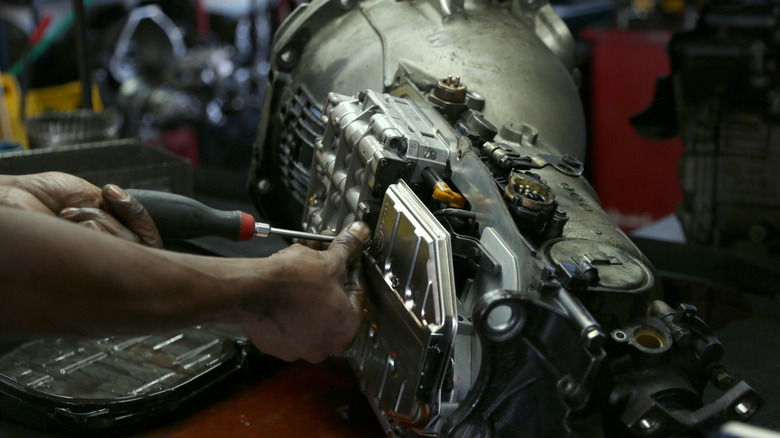
How do you drain something that's designed to be sealed from start to finish? It's possible, but a far more involved process than a normal transmission. The procedure for draining the transmission isn't too dissimilar from changing your own oil — you start with the drain plug located at the bottom of the transmission fluid pan.
It depends on the make and model, but the process could be as simple as loosening the fill plug a little to get the air pressure differential to let the fluid drain more easily, then just undoing the drain plug and getting it all out. That'll drain your fluid from the pan itself, but there's still a lot of fluid left in the system that needs to be flushed. So how do you get the rest out?
If you've ever bled your brakes, it's a pretty similar procedure, though a bit less intuitive. The transmission fluid gets hot over time, and the fluid circulates between it and an external cooler. In so-equipped cars, your main option is to interrupt this flow by rerouting the returning old fluid into a bucket, then pumping fresh fluid in, and just doing that over and over until there's no more old fluid left. Alternatively, like with your oil pan, you could simply drop the whole assembly off the transmission, exposing the guts to the open air and allowing you to physically inspect the pan and working components for damage. Of course, all that relies on you actually being able to get to this stuff; some transmissions are so inaccessible that not even actual mechanics can fix them.
How do you know if your transmission needs to be flushed?
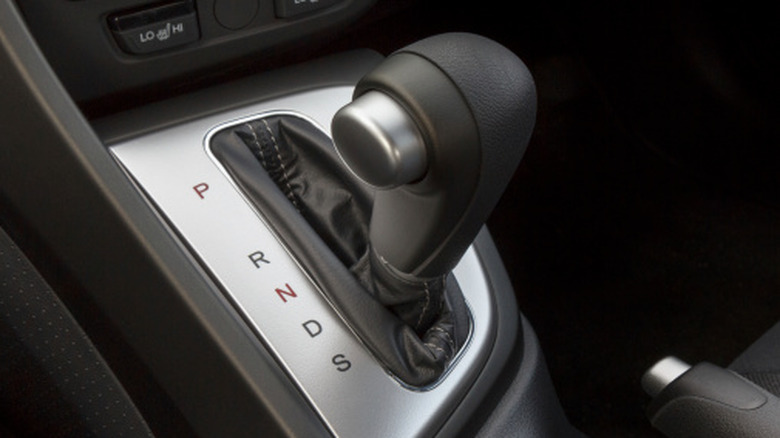
Let's first bear in mind that sealed transmissions with "lifetime" fluids are objectively one of the most horrible mistakes that automakers have made. There's simply no such thing. Transmissions are incredibly complex and have a wide range of requirements depending on how you use the car. Thankfully, it's all pretty intuitive — the harder you are on the transmission, the more maintenance it'll need. So if you highway cruise to work every day, it's not nearly as intensive as, say, towing cargo up a grade or taking your car to a track day.
But when it comes to fluid changes, you can't just go on vibes alone, certainly not with something as expensive as a transmission. Generally, you'll have a service interval in your owner's manual, so be sure to look that up and do a flush if it's time or you have a high-mileage car with no service records. Transmission fluid is vital for keeping the system well-lubricated and transmitting power efficiently, so if it breaks down, you'll end up grinding gears, your car will be sluggish, the transmission may overheat, and you'll face a bevy of other problems.
In short, change your transmission fluid as often as the manufacturer recommends, and if you're particularly hard on your car, cut that interval in half. So if the interval is 100,000 miles, do a flush every 50,000 if your driving environment or habits are particularly demanding.