

What Does A White Tip Mean On A Spark Plug?
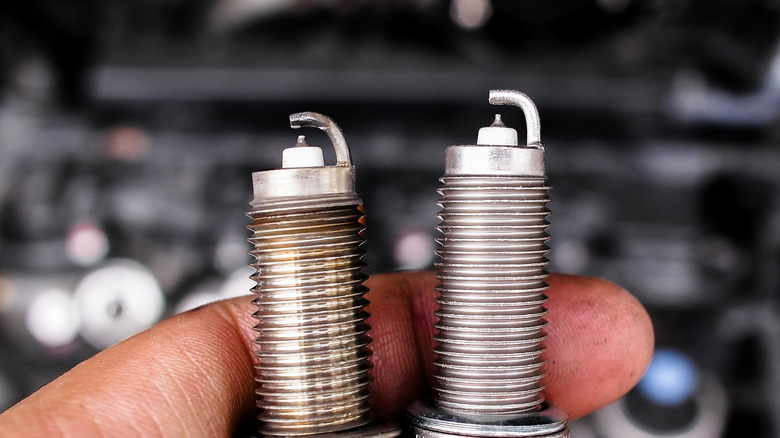
Even the best spark plugs can degrade over time, and one of the best ways to check a plug's condition is by examining the tip. A white tip, especially one that looks chalky or scorched, can indicate that the plug is overheating. Another strong indicator is pits or blistering on the electrode, indicating that the plug is running so hot it's starting to suffer physical damage.
By tip, we're specifically referring to the firing end inside the combustion chamber, particularly the ceramic insulator that surrounded the central electrode. Checking this area can give you clues about how a plug is operating, though color alone shouldn't substitute a proper diagnosis.
Generally, a healthy tip should run somewhere in the light tan or grey to brown range. A black tip may indicate poor ignition or an overly rich fuel mix, while residue on a black tip may mean that oil is somehow getting into the combustion chamber. A white tip alone may not necessarily indicate an overheating issue, though; if it's chalky in appearance or paired with any sign of melting deposits on the insulator or the aforementioned blistering or pitting, it may be reason for concern.
What causes overheating, and why it matters
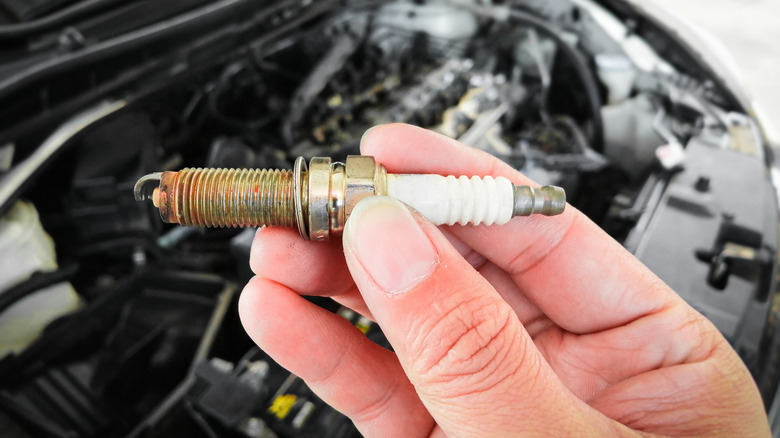
There are a number of signs that it may be time to replace your spark plugs, and a white tip alongside overheating damage is one of them. It may also indicate other underlying problems, like an excessively lean fuel-air mix, insufficient cooling, or heavy engine loads. Another possible explanation is a spark plug heat range that leans too hot.
Heat range isn't spark strength, it's an indication of the plug's thermal profile. Hotter plugs retain more heat at the firing end, while colder ones transfer heat away more easily. Make sure that the installed plug is the correct type and heat range for your engine, and be certain to follow installation instructions to the letter if you're putting in a new plug yourself.
There are a number of different kinds of spark plugs, and each may show slightly different signs of overheating. However, if you see any signs of blistering or melting, you should have the plug checked out, as well as any potential underlying engine conditions. Just replacing a damaged plug may not solve the core issue, and it can lead to further issues down the line if it's not caught in time.