

Why Truck Cab Corners Rust (And How To Fix It)
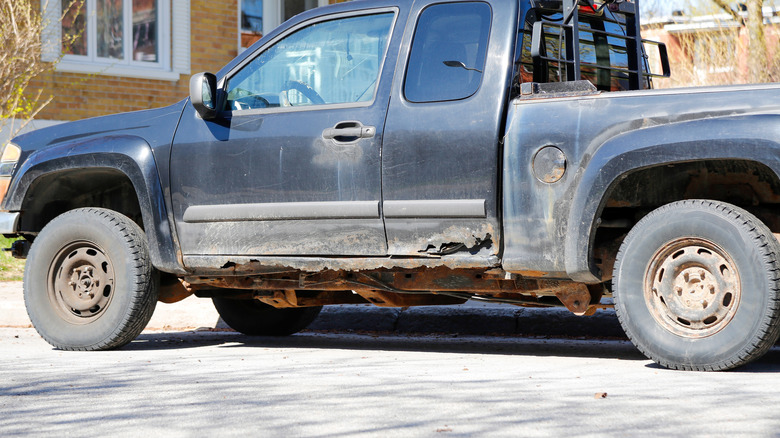
Rust is the enemy of every vehicle owner, and while there are things you can do to slow down rust from forming, truck cab corners are notoriously susceptible to it. Unfortunately, they're positioned in a perfect place to get spattered with and collect moisture, road salt, dirt, and other detritus that can speed the rate of corrosion, compared to more protected areas of your truck. Their position at the lower rear edges of the cab also means that they can conceal hidden corrosion that spreads before you notice it.
To solve the problem, you can start with some of the common ways to protect a vehicle from rust, but it's also important to understand the underlying cause of the issue. It's not just that trucks get wet, but layers of dirt and debris can trap moisture inside enclosed areas, where blocked drain openings prevent proper drainage. Salty water on exposed metal also directly accelerates corrosion, and lower body panels are where those kinds of contaminants most commonly build up.
Chips or deteriorating coating along seams can allow the elements to access concealed parts of your truck. That allows the rust to work from the inside out, and your first sign something's wrong may be bubbling paint or flaking metal, meaning the problem's already fairly advanced.
How to fix it
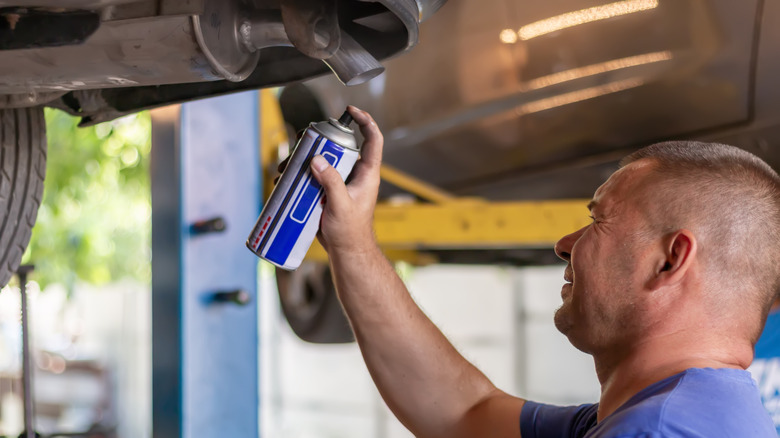
Luckily, it is possible in many cases to repair rust damage. Where to start depends on how much sound metal is left. If the corrosion is mostly superficial, you can remove loose rust and any chipped coatings, then thoroughly clean the area and use a rust treatment and protective coating system according to instructions. Don't just repaint the outside; treat any hidden corrosion that you can access as well.
Serious perforation or metal loss calls for a more extensive fix. A body shop will be able to diagnose whether you can just focus on more localized metal repair, or if you'll have to install a complete new panel. In either case, corrosion protection after the repair is essential.
Grinding and welding can expose more steel, so be careful to restore the specified primer and paint system and reaseal any affected joints. You can also protect enclosed areas with cavity wax. Be careful to make sure drain openings remain clear, regularly wash off road salt — particularly in winter, if you live in a colder, snowy area — and touch up any coating damage, to make sure the conditions that originally triggered the rusting don't rear their ugly heads again.