

Can You Put A Turbocharger On A Non-Turbo Engine?
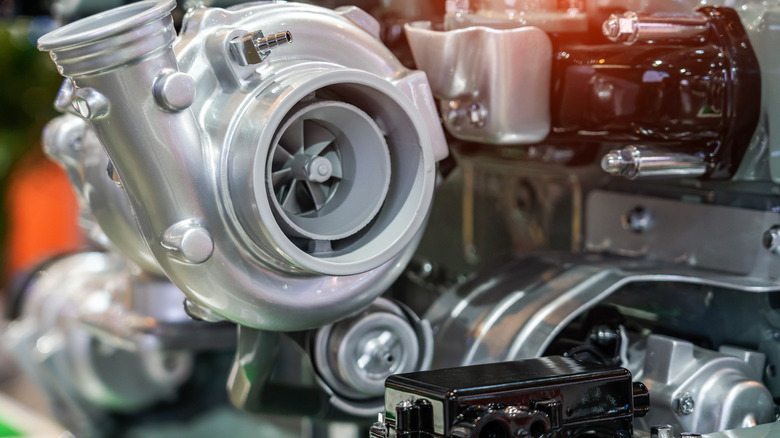
A project car can go from being just a weekend hobby to an obsession that never ends. That's especially true when trying to get more horsepower out of the car, which can lead to aftermarket modifications. When it comes to adding a turbocharger, it can be done, as many modern naturally aspirated engines can handle modest amounts of boost without changing their factory compression ratio, provided they are correctly tuned.
But upgrading an engine with a turbo isn't a bolt-on job. The engine may need changes to its camshaft, pistons, fuel system, and ignition timing. Otherwise, it may not be able to handle the added power and torque. The process also requires fabricating intake and exhaust manifolds and choosing a turbo based on the engine's size, maximum RPM, intended use, power and torque targets, as well as, boost requirements. The clutch, transmission, and brakes must be able to handle the additional output.
Once the turbo has been installed, the work isn't finished. The engine still needs to be calibrated for the added boost, which means the fuel and ignition settings must be adjusted as the boost is increased. This should be done gradually while monitoring for knock, as higher boost also increases the load on the engine. A maximum boost limit can be set to help protect the engine from excessive strain and potential damage.
The pros and cons of adding a turbocharger
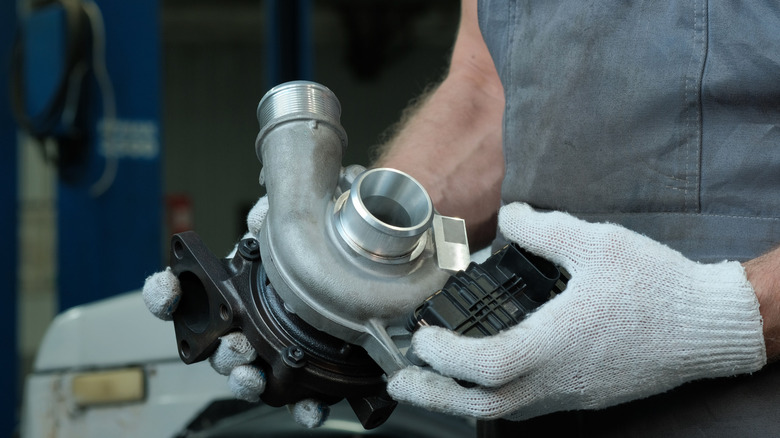
A turbocharger can provide more than just additional horsepower to an engine. Because it recycles energy from the exhaust to increase the amount of air entering the engine, it can boost the output of a smaller engine. It can even help it deliver the kind of performance typically associated with a larger engine. A turbo can also help improve fuel economy when a smaller turbocharged engine is used as an alternative to a larger naturally aspirated motor.
But while turning up the boost may seem like an easy path to more power, that doesn't always translate to useful gains. As boost pressure continues to increase, the engine can become more likely to detonate, forcing the ignition timing to be reduced to prevent damage. At some point, adding more boost pressure can create more stress without producing enough additional power to make it worthwhile.
A turbo also comes with potential downsides because of the extreme heat it has to endure. The turbo is exposed to intense heat from the exhaust system, and temperatures can remain high even after the engine is turned off. Without an adequate cooling system, this heat can do some damage to the turbo's internal components, including its bearings and seals. Excessive heat can also cause the oil inside the turbo to break down and leave carbon deposits.