

Why Do So Many Modern Cars Have 'Lifetime' Coolant & Does It Ever Need To Be Changed?
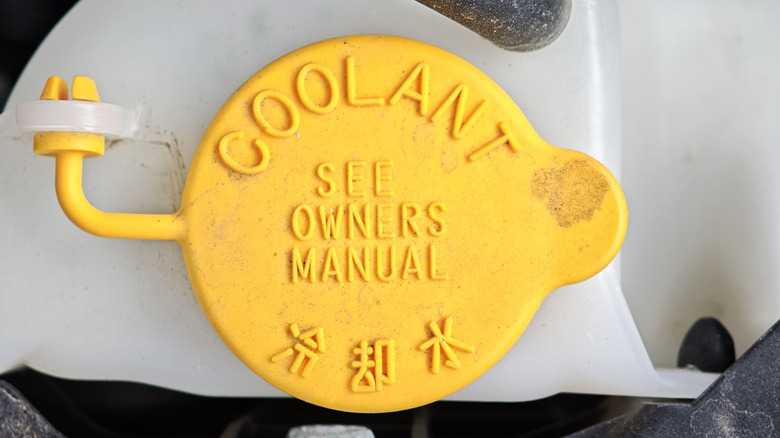
There's been a trend to label certain fluids as "lifetime" versions, suggesting that they'll never need to be changed. This label has been used to apply to the coolant, the automatic transmission fluid, and the oil in the vehicle's differential or transfer case. Our focus here will be on coolant, so if you've wondered how often you really need to change your car's coolant, you have come to the right place.
Long-life coolants are a genuine engineering improvement, but the lifetime label is largely a product of the marketing department. In fact, many owner's manuals still list a replacement interval for so-called lifetime coolants. If you're trying to define what the marketing department means by lifetime, it's likely closer to the end of the vehicle's warranty than the end of its life. The car manufacturer may also assume that all of your driving will be done under ideal conditions, with no stop-and-go traffic, no dusty roads, no driving in the mountains, and no pulling a trailer. Not likely.
There can be some good reasons for vehicle manufacturers to tout lifetime coolant. The less maintenance a vehicle needs, the lower its operating costs will be. There are also environmental benefits to using less coolant — as long as it lasts as long as you think it will. However, the reality is that coolant, like all other fluids in your vehicle, will deteriorate. Your coolant will also need occasional topping up, which the lifetime label may lead you to think is unnecessary.
Does 'lifetime' coolant ever need to be changed?
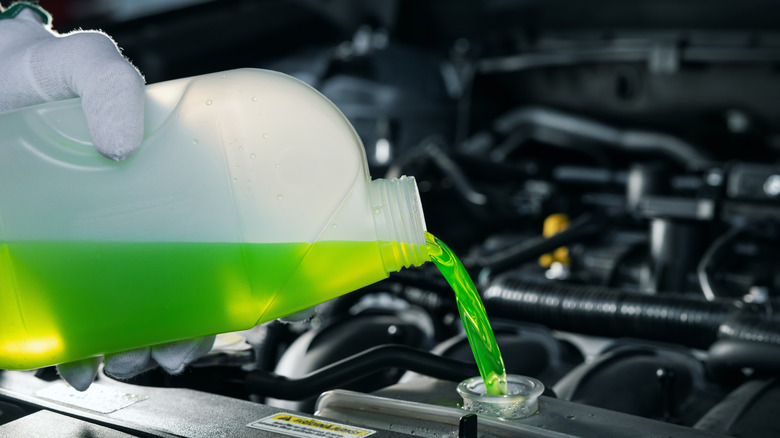
If you'd like your vehicle to last many miles after the warranty expires, there are some things you can do to help make that happen. Check your coolant's freezing point, pH balance, and corrosion protection using a refractometer or test strips. Alternatively, you can also ask your mechanic to do this when your car is in for service. Extended-life coolant can last up to 10 years, as long as it stays clean and you don't mix it with incompatible types. If incompatible coolants do get mixed, you will need to drain the old coolant before adding more.
Of course, if you like to trade in your car every few years, you will likely never see the consequences of leaving the coolant in for a lifetime. Just make sure you know what to do if you owe more than your car's resale value before you trade it in.
However, if you want to keep your car running trouble-free long after the warranty ended, treat this lifetime label as the marketing term it is. Check your coolant regularly, top it up when needed, and replace it when testing shows it's worn out or your owner's manual says its due. Long-life coolant can certainly last a long time, but it won't last forever.