

How Long Do Buoys Last In The Ocean?

It's a common scenario: You're drifting along on the water, soaking up the sun and daydreaming, and you spot a buoy. Maybe you wonder, what does that yellow buoy mean, bobbing away in the water over there? Or maybe your thoughts drift even further afield, and you wonder how long a buoy like that can survive the vicissitudes of the elements.
The short answer is that it can range anywhere from a few weeks to up to two decades, though the lifespan changes radically based on the product in question and the conditions where it's afloat. Drifting buoys that move with the current and are intended to collect specific data may only operate for a month, while a fixed observation buoy can push 10 years or more of service (with more regular replacement of components like batteries and sensors).
Navigation and mooring buoys (like buoys with red and white stripes) are a different story. A well maintained steel or polyethylene nav buoy can also last around a decade, but modern versions may double that. The Coast Guard has specific guidance depending on the buoy's material: 20 years for steel, eight for foam, and a mere six for plastic models. The organization also has guidelines for servicing supporting gear and accessories, like a six year cycle for any lighting or power equipment, and every two years for moorings.
What ends a buoy's service
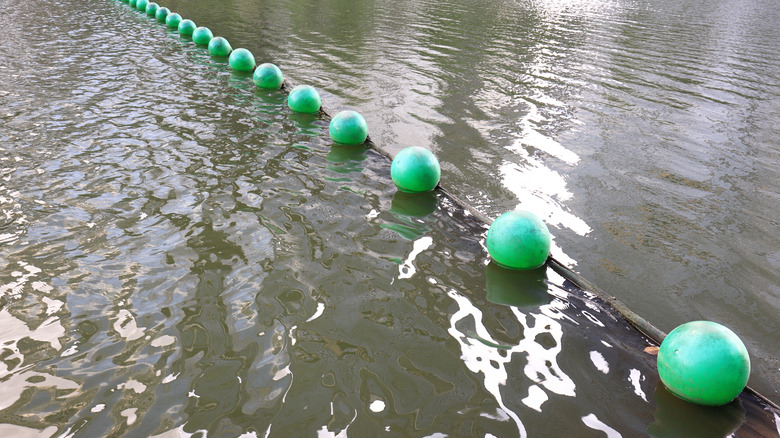
Passive buoys, like those marking no-wake zones for boaters, can last for a very long time, but will eventually degrade due to exposure to the elements and other factors. Everything from saltwater, ultraviolet light, waves, currents, ice, and impacts from watercraft can shorten a buoy's life as a useful marker. Each material has its own vulnerabilities, too. Steel, for example, is tough and durable, but it's susceptible to rust corrosion; plastic will never rust, but it may crack or weather over time, and may fade in the sunlight as well. There's also the risk of heavy marine growth adding drag or obscuring a buoy's colors and patterns.
A buoy on its last legs will usually display some warning signs. These can range from faded colors due to sun exposure or inclement weather, to cracks, rust, or taking on water. Cracks are a real menace, as they can lead to several of the other buoy killers, like additional rust, water ingress, and accelerated material decay.
Of course, regular maintenance can extend a buoy's lifespan significantly. If care is taken to remove excessive growth, patch or repair cracks, and regularly combat the other main sources of wear and tear, a buoy can survive much longer than one left to battle the elements on its own.