

What Does A 'No Wake' Zone Mean In Boating?
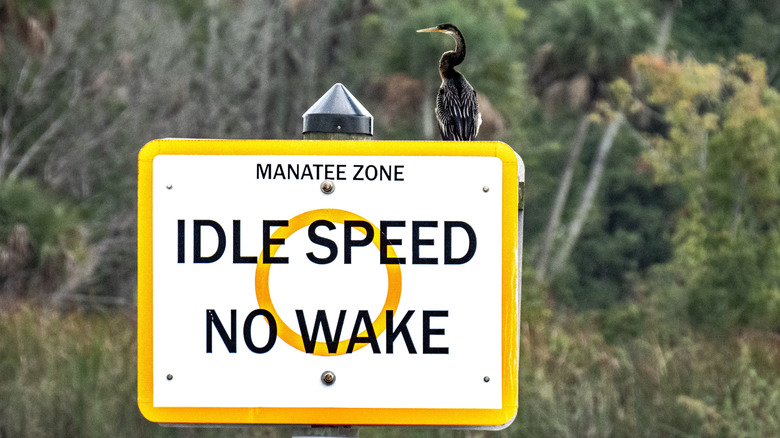
Factors ranging from a boat's mass to its speed will influence the size and intensity of the wake it generates as it travels through a body of water. Various factors can also determine whether a boat's wake is likely to interfere with or harm nearby wildlife, the surrounding environment, swimmers, and so on. That's why some areas of waterways are designated as "no wake" zones. Understanding what a no wake zone is, and what it means for you when operating a boat, is key to adhering to safety laws.
As the name suggests, a no wake zone is a section of a given waterway where boat operators must guard against generating wakes. This means operating a boat at a relatively slow speed. Because the specific speed requirements of a no wake zone can vary from one jurisdiction to another, it's vital for boaters to familiarize themselves with the no wake zone speed limits in the areas where they'll be boating. Generally, a no wake zone may require a boater to slow down to around 5 mph.
What is the purpose of a no wake zone in boating?

No wake zones can serve many purposes. The specific reasons why relevant authorities establish no wake zones may differ somewhat on a case-by-case basis.
Some no wake zones can be found in areas where visibility is otherwise limited, such as around bends in rivers. If anyone else on the water, whether they be swimmers or other boaters, can't see boats approaching, it's important for vessels traveling through these areas to move slowly. No wake zones help enforce proper slow speeds in these circumstances.
No wake zones are also common in areas that might otherwise get congested. If there are a lot of boats out on the water, safe navigation requires that all boaters exercise care and operate their vehicles at slow speeds.
Another area where a boater might encounter a no wake zone is near a marina. Naturally, because boats may be launching from or returning to a marina, these areas can be relatively high-traffic. However, even if boats are moored, large wakes can cause those boats to pull or push at moorings, potentially damaging them.
No wake zones can protect the environment as well. For instance, a no wake zone might serve to guard against erosion. Or a no wake zone could exist to prevent wakes from interfering with wildlife habitats.
Identifying no wake zones when boating
One of the best ways to stay safe (and to avoid harming others) when boating is to prepare. For example, if you've never launched a boat before, you should learn about what you should and shouldn't do when launching a boat. Similarly, it's vital to know what tools you should have on your boat at all times. In addition, it's always smart to check your planned route before taking the boat out on the water. Doing so can give you a chance to learn the locations of no wake zones before your trip.
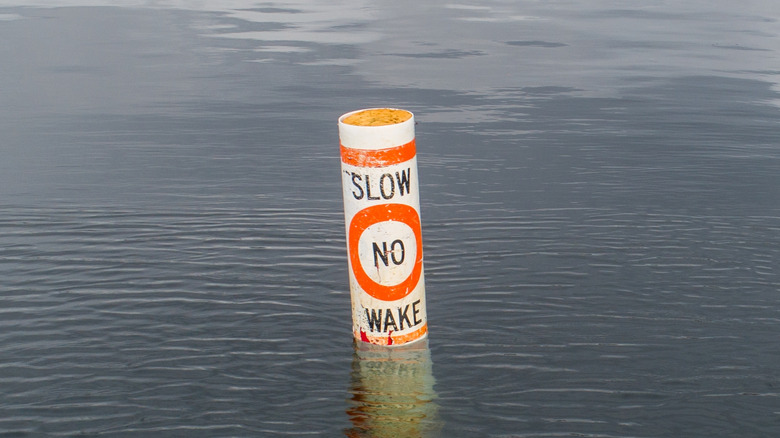
Again, because different jurisdictions and authorities establish no wake zones, there can be some variation in how a no wake zone is visually identified. Typically, though, a no wake zone is designated by buoys that usually display orange circles along with the words "No Wake." There may also be instances when large signs on the nearby shore indicate a no wake zone.
Tips for navigating a no wake zone on a boat
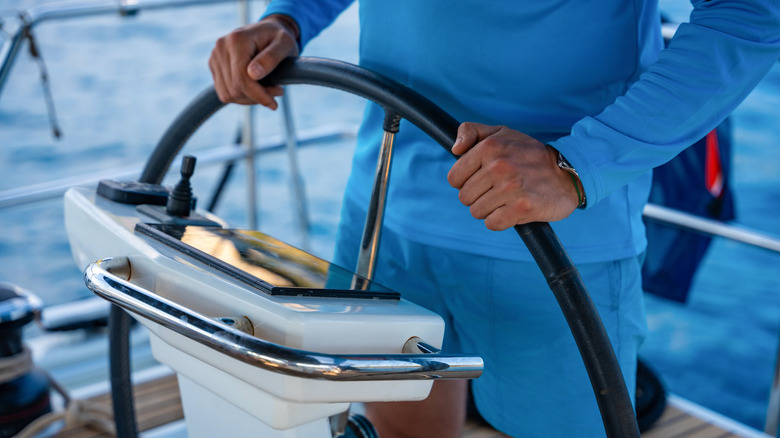
If a no wake zone specifies an exact speed limit, adhere to it to avoid a ticket, inspection, or other such consequences. Just remember that different size boats can generate different wakes when traveling at the same speeds. Even if you reduce your boat's speed to 5 mph or so, if it's still generating a wake, you might need to go more slowly.
Keep your eyes peeled for no wake zones so you can reduce your speed early. Doing so is preferable to suddenly reducing your speed as soon as you find yourself in a no wake zone. Because a no wake zone often serves to protect others in the water like swimmers, watch for them when navigating these areas.
Just remember that maintaining a slow speed in a no wake zone is only one rule you may have to follow when boating. Many other rules, including rules limiting how loud a boat can be, may also apply. Familiarizing yourself with all the relevant laws and obeying them accordingly is key to being a courteous and lawful boat operator.