

What's The Difference Between High Efficiency (HE) And Regular Washing Machines?
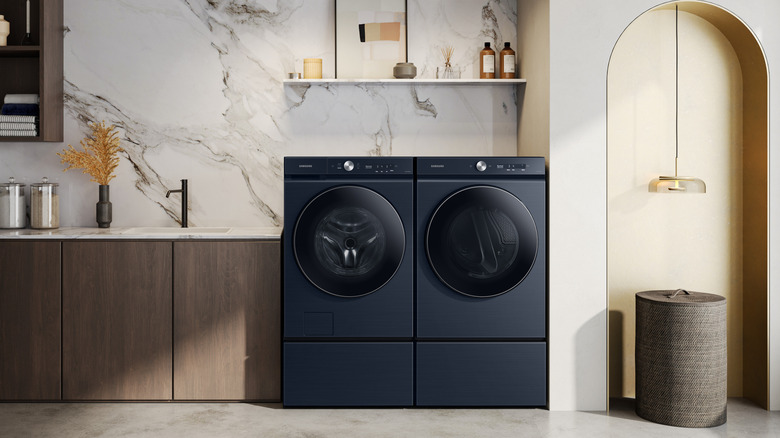
High-efficiency washing machines are all the rage these days because they offer a two-in-one benefit. Not only are they more environmentally friendly because they clean your clothes with less water and less energy, but that reduced usage also cuts down your utility bills. To understand how these machines pull this off, it helps to know how a regular washer works.
These days, most washers are the classic top-loader kind, a traditional format most of us grew up with. In the middle of the drum here, you get a tall post in the middle, called an agitator, which twists back and forth to scrub out the dirt. For this part to properly work, you do need a full tub so your clothes can float and move freely as it does its work. And this need to fill the machine up with water is exactly what makes it so water-consuming.
HE washers are an upgrade over this setup because they don't need that tall post to work. Instead of that tall post, this specific kind has a flat-spinning disc at the bottom of the drum. However, HE modern washing machines are mostly front loaders today. That automatically eliminates the need for the tall post since the clothes are tumbled inside. Regardless of the orientation, both types need only a shallow pool of water to get the job done. That's enough since the clothes rub against each other to loosen stains.
What changes when you switch to HE
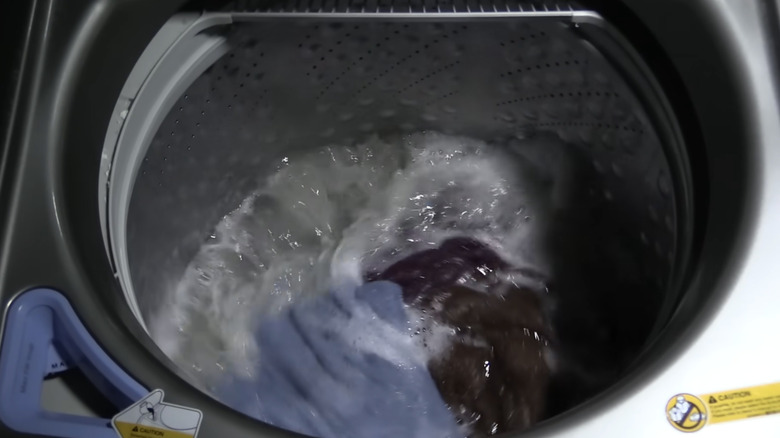
The lower water consumption is where the energy savings come from. Energy Star, the EPA's efficiency program, estimates that heating water eats up about 90% of the energy a washer uses, so less water means less energy, too. An Energy Star-certified washer uses about 14 gallons per load; a standard model uses closer to 20 gallons.
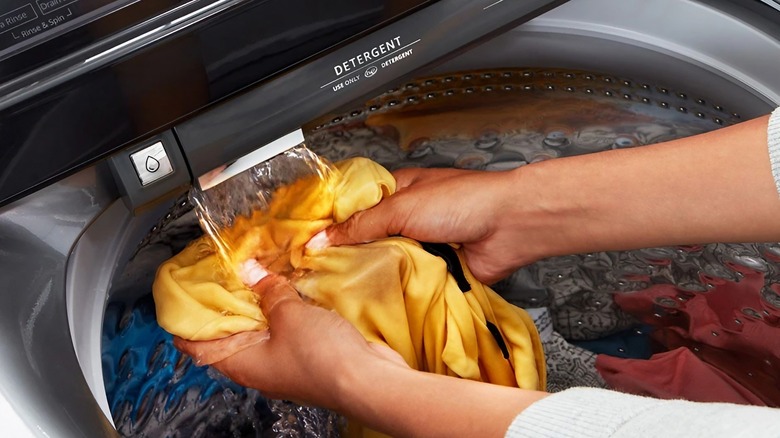
One side effect of using less water, however, is that the regular detergent no longer works as efficiently. HE washers specifically need HE detergent, which is made to create fewer suds – another word for that bubbly foam. The thing about regular detergent is that it foams too much in such a small amount of water, which actually negatively affects stain removal.
Using less water also affects how long a load takes. Consumer Reports, the nonprofit that lab-tests products, found HE top-loaders usually need 55 to 80 minutes on a heavy-duty cycle. HE front-loaders typically take even longer. Meanwhile, a washer with a regular agitator actually tends to finish faster.
Is an HE washer worth the extra money?
Now you might assume that the extra time means the machine is taking its sweet time to gently clean up the clothes. However, HE top-loaders are actually a little rough on fabric – or at least no gentler than regular agitator machines. HE front-loaders are known to be gentler, though, simply because they tumble clothes rather than rub them against something.
That said, the longer cycles do pay off in other ways. HE top-loaders generally cleaned better than regular agitator washers in Consumer Reports' testing. The nonprofit actually ranks the two types separately when it names the best top-load washer brand. At the same time, most HE washers are able to wring more water out of your clothes than a regular washer does, meaning less time in the dryer.
Again, while HE machines are much more efficient, it's front loaders that push the furthest. In fact, Energy Star rates them at roughly half the energy and water use of an agitator top-loader. Where regular washers do win, though, is price; Consumer Reports surveyed members who bought a washer between 2020 and 2025 and found that these buyers typically paid about $673 for a regular agitator model. HE top-loaders cost a bit more, with a typical price of around $730; at the top are front-loaders with a price of about $855.