

3 Common Problems With Daikin Mini Split HVAC Systems
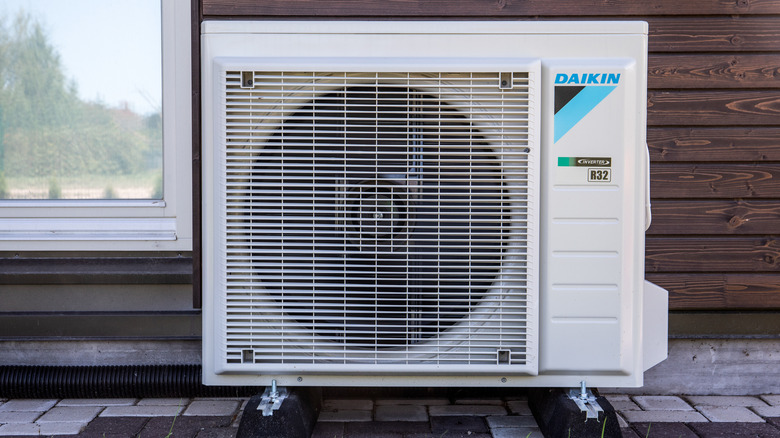
Historic homes constructed before the invention of modern conveniences like air conditioning still possess unique charm and timeless benefits. They often offer solid build quality that has held up for decades or even centuries, ornate details and architecture rarely found in modern homes, and a sense of history that new construction lacks. Depending on where you live, however, they can also be very warm in the summer.
It's often extremely difficult to add air conditioning to older homes because they don't have ductwork in place. Sometimes there's not enough space to add ductwork, and it can also compromise the preservation of historic buildings. Instead, HVAC experts often recommend using ductless mini-split HVAC systems. These systems can heat and cool individual rooms or zones using an outdoor compressor that is connected to indoor units. These units are typically mounted on a wall or ceiling, and they don't require ductwork. They can be expensive, but are often more efficient than traditional HVAC systems. They also avoid the headaches that come with window units, which have to be installed annually in every room you want to cool.
Daikin provides a wide range of mini-split systems, including single-zone and multi-zone options. Whether you already own a Daikin system or are simply researching options for your home, it's important to understand both the positives and negatives. Here are three common problems that sometimes plague Daikin mini-split systems.
Coil Leaks
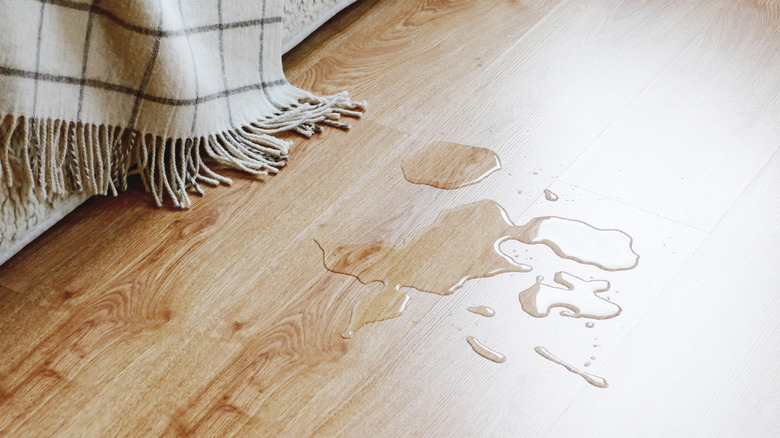
In 2025, public interest law firm Migliaccio & Rathod LLP disclosed that it was investigating reports of indoor evaporator coil failures in Daikin mini-split systems. These failures, which reportedly happen prematurely and sometimes only a few years after the systems are installed, can result in both water and refrigerant leaks.
Both customers and HVAC technicians report leaks from the U-bends of indoor coils. The warranty sometimes covers replacing these coils, but customers still experience new leaks after replacement, along with labor costs not covered by the warranty. Technicians also recharge the system after coil replacements, which results in another charge for customers.
If you notice water leaking from an indoor unit, there are several steps you can take. First, make sure the unit is level so it can drain properly. Next, check the condensation drain line to be sure it's not clogged, which is a common problem. Also, a dirty air filter may cause the coil to freeze, resulting in a leak when the ice melts. If none of these issues fix the problem, call in an expert to examine your system. If you've had several coil failures or leaks, Migliaccio & Rathod encourages owners to explore their legal rights to replacement or compensation.
Build-up in the streamer unit
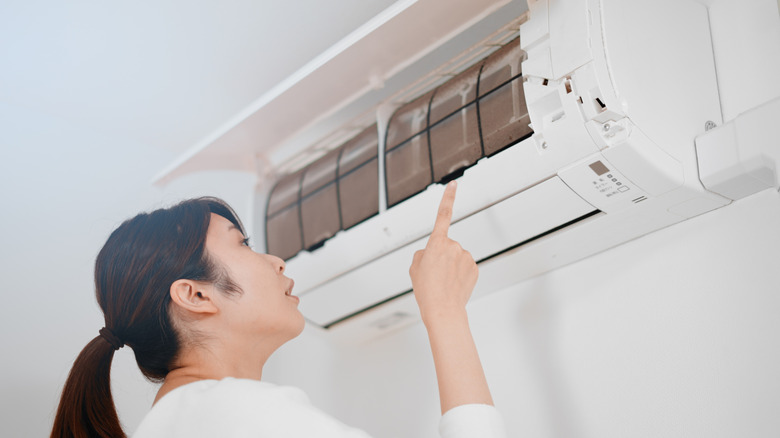
Daikin Mini Split HVAC systems are complex, and it can be tough to pinpoint the problem. Daikin attempts to simplify the process with indicator lights and error codes, but you may not always understand what the system is trying to tell you. If you see an orange light appear on an indoor unit, it often indicates an issue with the streamer unit.
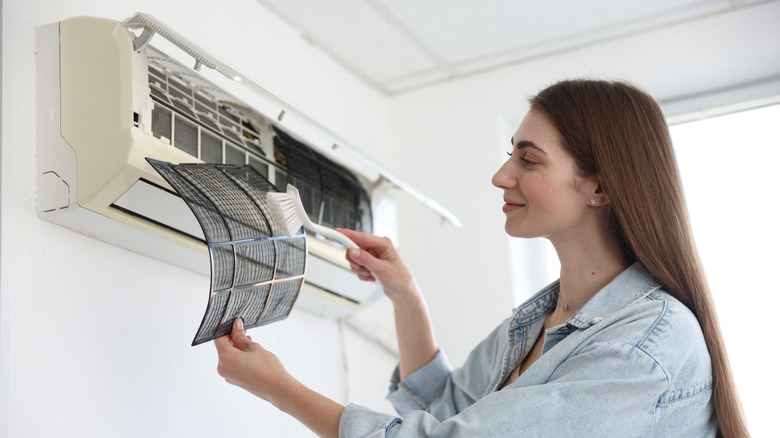
The streamer unit is an air-purifying element that can eventually get clogged with dust and other pollutants. When that build-up happens, the indoor unit displays an orange light to indicate that maintenance is required. When this happens, users can remove the streamer unit to clean it. Follow the instructions in your manual. If you don't have the manual, experts recommend soaking it in cold or lukewarm water for about an hour, then wearing rubber gloves and using a soft cloth to clean the unit. Wash and drain it, then let it dry for about 24 hours. Once you've replaced it, you may need to reset the indicator light to shut it off.
Unit turns off unexpectedly
It's Murphy's Law — if your HVAC unit is going to go on the fritz, it will happen on the coldest or hottest day of the year. If you find yourself sweating on a 90-degree day because your Daikin mini-split system keeps shutting down unexpectedly, or it won't turn on at all, there are several things you can try before making an expensive service request.
Your A/C may be turning itself off to protect itself from damage from a myriad of issues, including a dirty air filter, one of the most common problems that arises with all different types of air conditioning systems. Inspect your filter and replace it if need be. If that doesn't do the trick, check for leaking water, which could indicate a clogged drain line. If your system is not draining properly, it's designed to shut off to prevent water damage. The problem could also be electrical, so check your electrical panel for tripped circuits (but leave inspection of internal loose wires to a licensed professional).
Your Daikin system likely also displays an error code when it encounters a problem, which can certainly assist in troubleshooting. You can check your owner's manual for information, but the system may display error codes with a sequence of flashes on the indoor unit's front panel. The sequence lines up with a specific code — for example, one flash means there's a fault with the indoor unit's control board, and you should try resetting the breaker. Ultimately, when in doubt, call a technician for an official diagnosis and solution.