

4 Common Problems With Turbocharged Engines
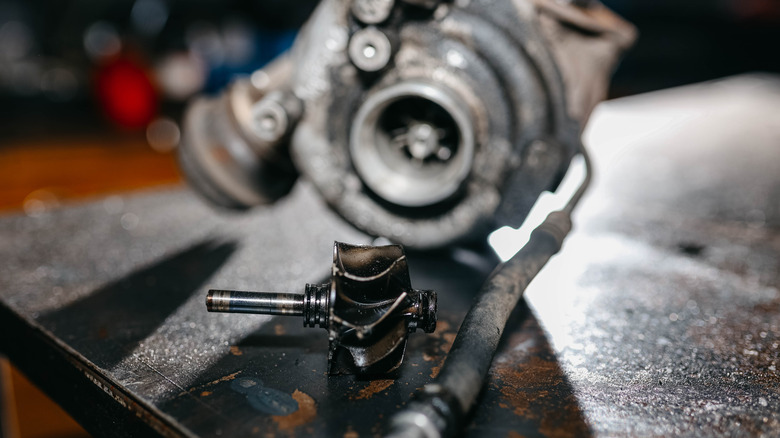
A turbocharged engine in a vehicle can deliver a range of benefits. Greater power from a relatively small engine is perhaps the most well-known of these advantages. That's not to say turbos aren't without their potential downsides. The drawbacks of a turbo can range from increased upfront costs to potential engine damage. In addition, if you install a turbocharger in your vehicle (or buy a vehicle with one already installed), you may run into certain common problems with turbocharged engines that are important to be aware of.
This isn't meant to discourage you from owning a vehicle with a turbo. The problems here are often fixable, particularly if you make a point of addressing them early. That's vital to remember. Knowing the types of problems that can arise with turbocharged engines allows you to anticipate them and respond to them promptly. Failure to do so could result in more significant long-term engine woes.
That doesn't need to happen if you bring your vehicle in for service at the first sign of turbocharger engine problems. In fact, it may be possible to avoid certain problems common among turbocharged engines if you conduct thorough research before buying a vehicle with a turbo.
Not all turbocharged engines are equally reliable
Doing your research is vital whenever you're buying a car. Taking your time to learn about your options will pay off in the long run. You're more likely to be pleased with your choice of vehicle (or upgrade) if you've thoroughly researched all relevant factors first.
This is particularly true if you're thinking about buying a vehicle with a turbocharged engine (or installing a turbo in your existing vehicle). Consumer surveys indicate that not all manufacturers offer equally reliable turbocharged engines. Even an automaker that offers a strong turbocharged engine in one vehicle might not consistently deliver the same quality across their entire line. You need to research which makes and models are associated with ideal turbocharger performance to guard against making a poor investment.
Sometimes, surveys reveal that consumers find certain manufacturers offer turbochargers that can cause issues with engine computers. In more severe cases, turbochargers may result in the need for full engine replacements, which can be very expensive when a warranty no longer applies.
The main point to understand is that the presence of a turbocharger isn't always a positive quality in a vehicle by default. You need to confirm that a given make or model has a positive reputation for reliable turbocharger performance before spending your money.
Oil-related problems are some of the most common in turbocharged engines

If you already own a vehicle with a turbocharged engine, or if you plan to purchase one, you should be prepared to address the kinds of issues most likely to affect these engines. Naturally, addressing the issue means seeking assistance from a professional unless you're confident you have the proper experience and training.
Researchers have found that lubrication problems account for as much as half of all common turbocharger issues. Turbocharger manufacturers go into detail about what these oil-related issues can consist of. Common examples include excessive oil consumption, problems resulting from using oil that doesn't align with the manufacturer's specifications, oil contamination, and general lack of proper lubrication.
Naturally, it's important to follow the manufacturer's instructions when choosing oil for your turbocharger and changing it regularly. Just remember that, when a problem arises, it could have several causes. For example, if a turbocharged engine isn't lubricated with sufficient oil, this could mean that a component in the oil supply process is damaged, loose, out of place, or otherwise not serving its purpose reliably.
That's just one example. It once again highlights the importance of coordinating with a qualified repair professional if a problem arises. Unless you know you're able to fix it on your own, you need assistance from someone who knows how to identify the cause of your issue. This is key to understanding how to fix it.
Common problems with turbocharged engines often involve debris or foreign objects
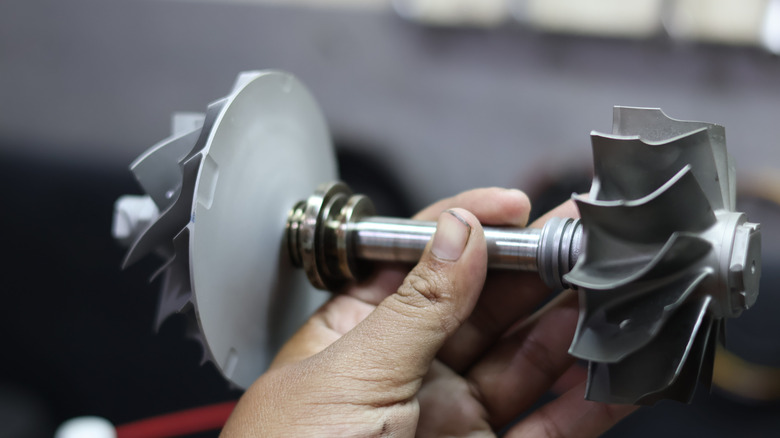
A turbocharger is a fairly complex piece of machinery. Although the way in which it generates power involves several steps, one of the most essential is the compression of air that occurs when the compression wheel spins at a high velocity and draws air in. Unfortunately, this can sometimes cause the turbocharger to also draw in dirt and debris.
As such, some of the common problems affecting turbocharged engines involve damage from said debris and any other foreign objects that can get drawn into the apparatus. For example, if you start to notice unfamiliar noises when driving a vehicle with a turbocharged engine, this could indicate that a foreign object has damaged a component like the impeller or turbine wheel.
Or, you might notice that the engine is no longer delivering the power you expect from a turbocharger. While you need a professional assessment to determine why this is happening, it's possible the issue is due to a foreign object causing some sort of restriction in the exhaust.
Excessive smoke may be a sign of various turbocharger issues

Keep an eye out for excessive smoke when your vehicle is in operation. Excessive smoke is often a red flag of various turbocharger problems.
Once again, the symptom can have various actual causes. Examples include a dirty air cleaner, restrictions in the air intake system, damage to the hoses or pipes, a fuel injection system that isn't properly adjusted, a blockage in the exhaust system, and general damage to the turbocharger, among others.
It can't be stated enough: You should never ignore these warning signs. The sooner you schedule service for your turbocharged engine, the greater your odds of guarding against more significant long-term damage.
It's also important to once again emphasize that this guide isn't meant to say "turbochargers are bad for engines." Remember, they actually have the potential to boost an engine's power and efficiency. However, as with all complex machines, they can be prone to failure. On top of that, some turbo problems are simply the result of poor manufacturing. By shopping smart, knowing what types of issues are common among turbos, and avoiding turbo mistakes that can cause problems, you're more likely to leverage a turbocharged engine to its full potential.