

Are Mower Deck Belts Universal? Here's What You Should Know
We may receive a commission on purchases made from links.
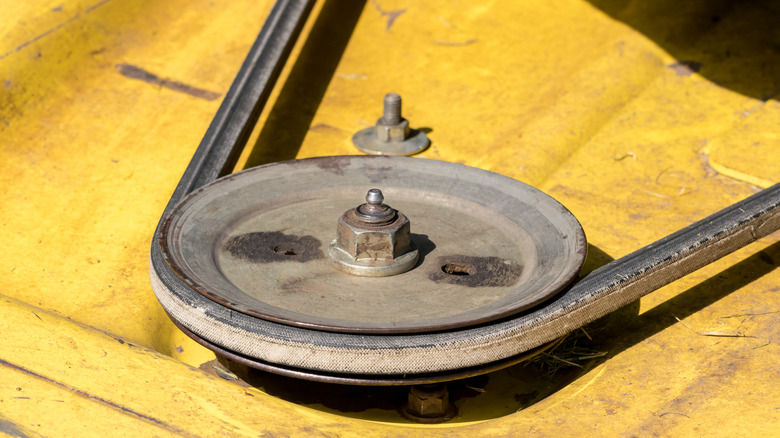
Nothing can derail your lawn care plans like a broken mower part. That's especially true of the mower deck belt, which won't last forever and will need to be replaced eventually. But when it comes time to get a new one, don't take a chance and just grab the first replacement belt that you find, because these components are not universal, and the right belt depends on the mower and deck it's made for.
For example, John Deere's GX21395 mower deck drive flat belt is compatible with several of its models, including the 190C, D170, G110, and S180. Husqvarna's riding mower deck belt fits select 46-inch models only, including the GT48DXLS, LGT48DXL, and TS 348XD. So even for major manufacturers, while one belt can fit multiple models, there isn't one belt that fits every mower.
But you don't necessarily have to use the mower manufacturer's belt to get the proper fit. Aftermarket suppliers like Gates offer lawn and garden belts designed to match the branded version of the belts. The company even states that its belts either meet or exceed the performance requirements of each specific application. Of course, the best way to know if you're buying the right replacement belt is to check your owner's manual, and carefully read the packaging to match the model numbers.
The cost and process of replacing a mower belt
The price of a replacement belt depends on the specific belt and mower application. For example, based on current Home Depot listings, a replacement belt for a 42-inch riding mower can cost anywhere from around $25 to $70. Replacement belts for Cub Cadet, Murray, MTD, and Toro models fall within that range, while some aftermarket options can cost less than $30.
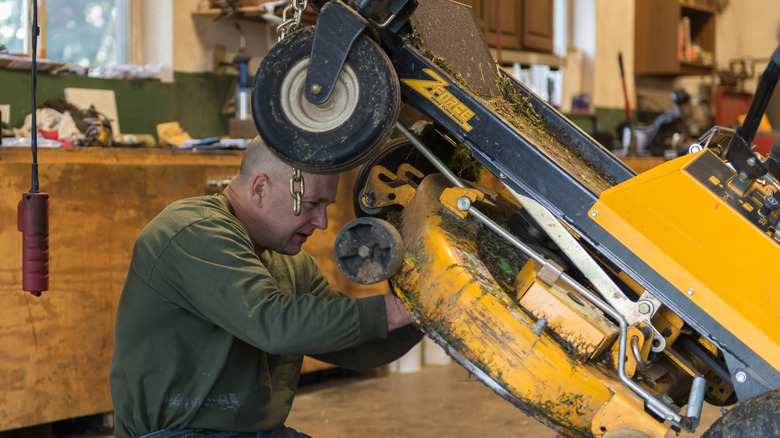
Replacing a lawn mower deck belt isn't necessarily hard to do, but it can involve several steps, depending on the model. Both Troy-Bilt and Cub Cadet's replacement instructions require working with a cool engine, disconnecting the spark plug wire, then removing the deck. Tension from the idler pulleys must be released, followed by removing the old belt and installing the new one. Then, the deck can be properly reattached. However, this exact process can vary by mower, so it's important to follow the instructions in your owner's manual.
You also shouldn't let a failing mower belt sneak up on you, which means keeping an eye out for the warning signs that it needs to be replaced. That includes damaged or uneven edges, a burned surface, and cracks. A belt that wears out quicker than it should could also indicate another problem, like a seized pulley, or a sharp spot on the pulley itself. Regularly checking the belt can help you identify these problems long before the belt can break.