

Is Aluminum Or Titanium Better For Phone Frames?
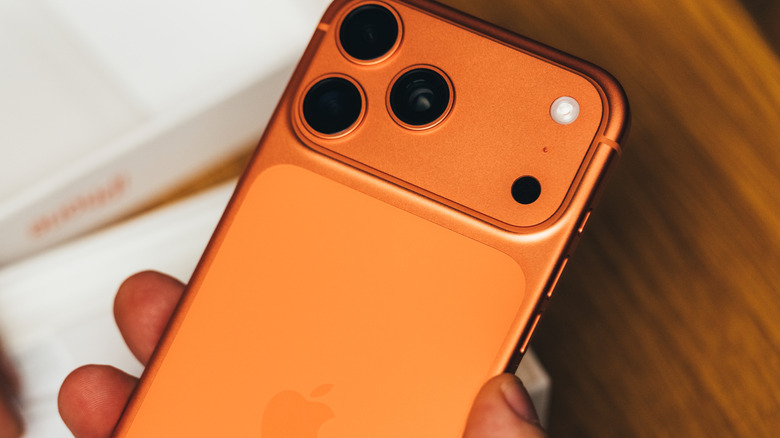
It goes without saying that a good phone case matters now more than ever, given that phones have gone from simple and convenient communication devices to multifaceted tech investments. Simultaneously, knowing the right material for the frame beneath your phone case is essential, too. The predominant options out there are phones with titanium and aluminum frames, which both come with their own sets of attributes that make them strong choices to hold and protect a phone's inner workings. That's to say, one isn't necessarily better than the other unless you're looking for specific qualities in your next mobile phone's frame.
Titanium and aluminum are both strong choices for phone frames, each for its own reasons. Titanium is generally more impact-resistant of the two and is harder to scratch. That said, titanium typically holds onto heat better than it dissipates it, and it's a comparatively heavier material. Meanwhile, aluminum is lighter and does a much better job pulling heat out of the phone because of its higher thermal conductivity. Unfortunately, as a softer, lighter metal, aluminum is more prone to scratching and breaking.
Evidently, titanium and aluminum phone frames differ in some important areas. Beyond their physical abilities, strengths, and weaknesses, titanium and aluminum frames also differ in price and availability.
Cost and accessibility gaps between titanium and aluminum frames
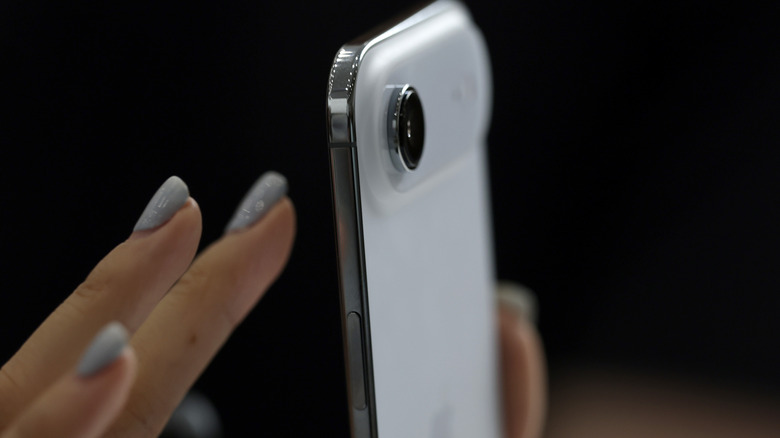
In addition to what they can and can't do, an important factor in deciding whether a titanium- or aluminum-framed phone is right for you is cost. On the whole, you're likely to pay more for a titanium frame model than an aluminum one. Titanium isn't as common a material, and extracting and refining it costs more than aluminum. Therefore, a titanium-framed phone will likely cost more than one with an aluminum frame. That said, as mentioned, an aluminum frame is more prone to damage and full-on breakage, so the cheaper choice might only seem like a cost-saving measure at first.
As touched on, titanium is a rarer and more difficult-to-machine metal than aluminum. So it's no surprise that if you want a titanium-framed phone, you'll likely have to settle for a higher-end option and have fewer choices. As a more common and cheaper material, aluminum frames are far more commonplace in the modern phone landscape, especially if you're looking at more budget-friendly choices. In fact, some manufacturers, like Apple, have switched from titanium to aluminum. Look no further than the transition from the iPhone 16 Pro to the 17 Pro, when Apple dropped titanium in favor of aluminum. Now, it's reserved for specific models like the slimmed-down iPhone Air.
Overall, there's no clear winner between titanium and aluminum phone frames. The former is tough, hefty, and unfortunately more expensive, while the latter is thermally efficient and cheaper, though more prone to damage. Which option is right for you depends on your phone habits.