

Sony Could Get $500 Million In Tariff Refunds (And PS5 Owners Won't Get A Cut)
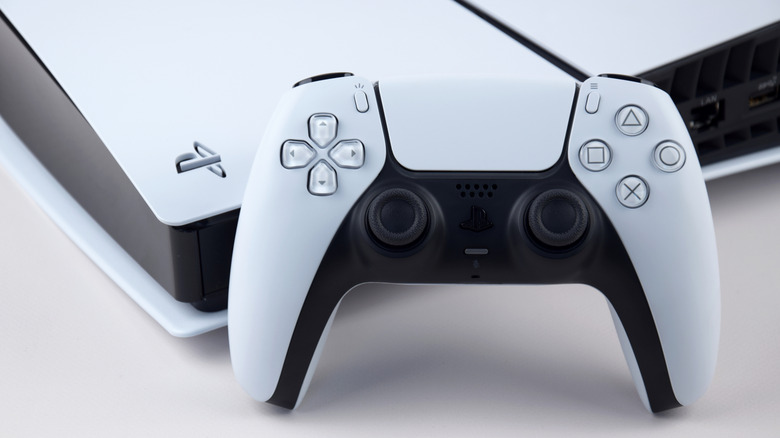
Americans are quickly learning that, despite paying more for everything, from furniture to electronics, most companies have no plans to return any tariff refunds back to consumers. Now, Sony has jumped into the ring to do the same, but with more than $500 million in refunds. If you're wondering how Sony can justify not passing along tariff refunds to its customers, it's simple: Free will, or rather, the company essentially claims no one was forced to buy a PS5 after it raised prices, so it's under no obligation to share any tariffs refunds with you.
Sony isn't the first company to decide to keep the money for itself. In August, Costco stated it would return tariff refunds to members, but later clarified that those so-called refunds will be in the form of lower prices on some products. Wal-Mart reportedly plans to do the same. Meanwhile, Nintendo received a $300 million tariff refund and is also fighting a lawsuit from consumers expecting a rebate, and Apple plans to reinvest its refunds into manufacturing and innovation.
To recap the PS5's price changes, about a year ago, Sony raised the price of its popular consoles by $50, then raised prices again in early 2026, this time by $100. The disc edition, which used to cost $500, now costs $649.99, while the digital edition, which was $450 before tariffs, is now $600. The PS5 Pro is now a whopping $899.99.
Sony says it was your call to buy
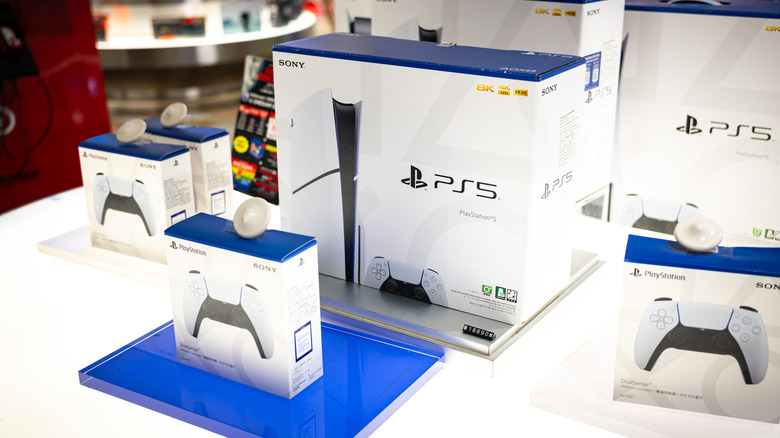
Consumers are crying foul, arguing that companies like Sony have been paid twice, first by consumers via higher prices, and now by the government via returned tariffs. Several companies, including Sony, Microsoft, and Nintendo, are facing lawsuits over the issue, but Sony wants its lawsuit dismissed.
The company is taking its argument even further, claiming that, despite the timing of the first price increase, the hikes were not linked specifically to the tariffs. Instead, Sony claims the price changes were the result of several factors, including inflation, the cost of components, demand, and more. This is proven, Sony says, by the fact that its second price hike happened after the Supreme Court struck down the tariffs in February 2026.
Sony's case is pending, and a judge must review the request for dismissal, but it's not the first bit of trouble the company has been in lately. The company recently riled up customers when it announced plans to end support for physical game discs, then there's Sony's $7.85 million class action lawsuit settlement case involving the PlayStation Store. And as of July 2026, sales of the PS5 are down about 36% compared to the same time period last year, which could be related to the price increases. The PS5 is Sony's first console to become more expensive as the technology aged — typically, consoles get cheaper over time. The usual rules, it seems, are officially off the table, at least in Sony's world.