

3 Of The Biggest Drawbacks Of Using Portable Solar Panels
Mention solar panels, and you probably picture either a giant solar farm or the panels your neighbor installed on their roof. Solar panels are a great source of renewable energy that not only help the environment, but can also lower your electric bill. There's more to consider before you jump in, however. It's an expensive proposition, and you may have to have your roof repaired or replaced before installation. If your home doesn't get a lot of direct sunlight, you may struggle to generate enough electricity to justify the cost, and federal tax credits for home installation expired in 2025.
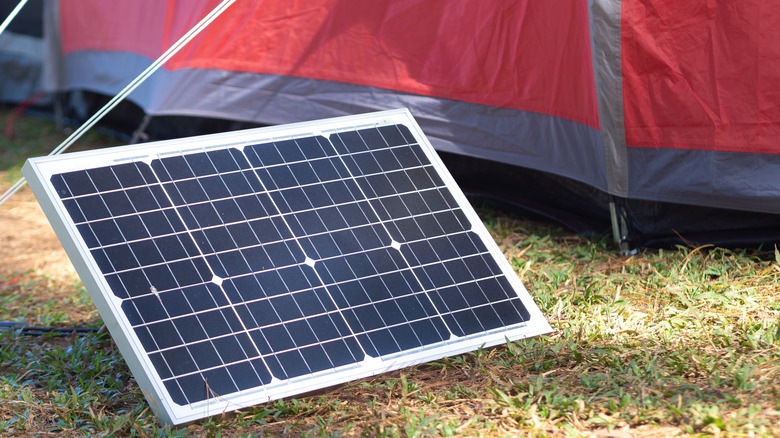
Rather than making a large investment in mounted roof panels, you may be considering portable solar panels instead. This type of solar panel is exactly what it sounds like — a lightweight system that you can move around. They come in different forms, including rigid panels that more closely resemble roof panels and flexible or foldable panels. You can put them anywhere you want and save on the installation or leasing costs that come with permanent panels, and you can even use them when you're camping or traveling in an RV.
We encourage everyone to explore cost-saving renewable energy options, but a few drawbacks deserve consideration. Let's unpack three potential dealbreakers before you jump in.
Output may be limited
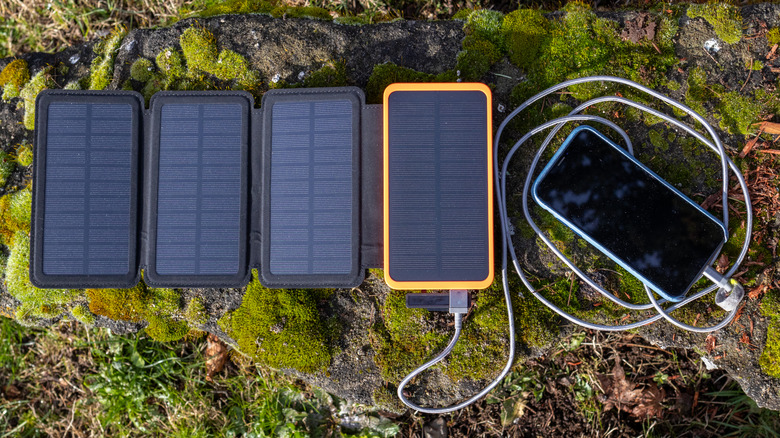
Portable solar panels use photovoltaic (PV) technology just like rooftop solar panels. The panels are made of semiconductor material that creates an electrical current when photons from sunlight hit it. This means, of course, that sunlight is a vital component of solar panels, both permanent and portable. If you plan to rely on portable solar panels during severe weather, you may want to rethink your plans. Energy output from portable panels will decrease even on cloudy days, and rain or snow may impact output even more. Even smoke from wildfires or dust in areas experiencing drought have the potential to decrease panel efficiency.
The time of day and even the time of year will also make a difference — when you get more hours of sunlight, you'll see more power. If you hope to make use of solar energy at night, you'll also need to invest in a powerful battery or charge controller that stores the energy.
A portable solar panel system also tends to be smaller than a rooftop system and offer lower wattage ratings, meaning they generate less electricity even on sunny days. You typically cannot power your entire home using a portable system. A small folding panel may generate enough electricity to power your smartphone or tablet, and a medium panel may be enough for a fan and some LED lights. If you want to power a refrigerator or television, you'll want to opt for a large portable panel.
Space, setup, and durability concerns
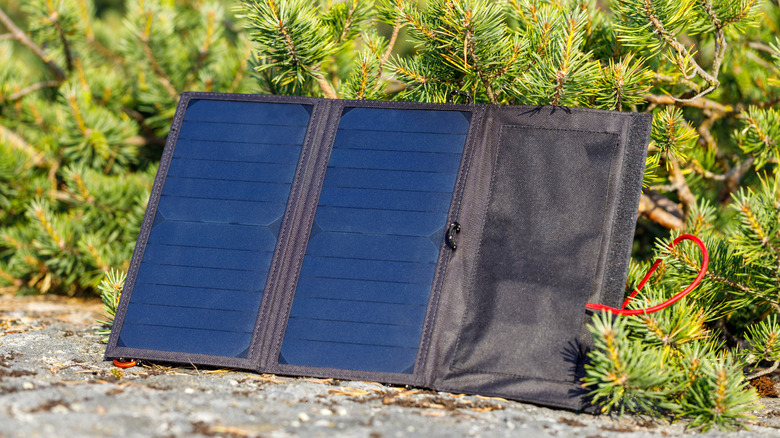
If you own your own home, including the roof, you've met the minimal requirement for installing a rooftop solar system — believe it or not, many homeowners associations often own and maintain roofs, which would likely nix the idea of solar panels. It's easy to pick up portable solar panels on Amazon or at Home Depot, but it can be tricky to determine if you have the necessary and appropriate outdoor space. You'll need a sunny spot that offers enough room for you to set up the panels. The foldable, suitcase-style panels can be especially difficult to place on uneven ground, and they tend to be bulky even when folded.
City-dwellers craving eco-friendly options may face more than cramped quarters. Tall buildings can make it hard to find all-day sunlight. Since anything that casts a shadow can block your solar panels, even trees in rural landscapes, expect to move those panels around a lot at first.
Portable solar panels are often not as durable as permanent, rooftop panels, and users should exercise caution when they're moving and handling the panels. They can be damaged during transport or displaced during storms, and you'll need somewhere to safely store them when not in use. You'll also need to factor in setup time, especially if you choose portable panels that are not intended for long-term use. The battery bank will also likely be heavy and cumbersome.
Cost & theft concerns
Installing solar panels on your roof often requires a hefty up-front investment or years of installment payments. Portable panels are a more affordable solution for many, but you should still expect to invest hundreds or even thousands of dollars, depending on the size and scale of your solar system.
Portable solar panels range in cost from well under $200 to $1,000 or more, depending on the type and size. Some panels come with the necessary accessories such as cables and batteries or a power bank, but if they don't you will need to purchase those items as well. Before you make any investment, calculate how much wattage is required for your needs and research what type of panels or system will work best. If you're only worried about providing power during outages, a small generator may do the job, so be sure to do a cost and usage comparison.
Another aspect to consider is the potential of theft. No one is going to steal solar panels off your roof, but it's much easier to swipe a portable solar panel from your campsite or yard. Your panels may be especially enticing during a natural disaster or extended power outage. To minimize risk, lock the panels to an anchor point using security cables or steel chains. When the panels are not in use, store them somewhere secure and away from prying eyes.