

What Is Diesel Biocide And When Do You Need To Use It?
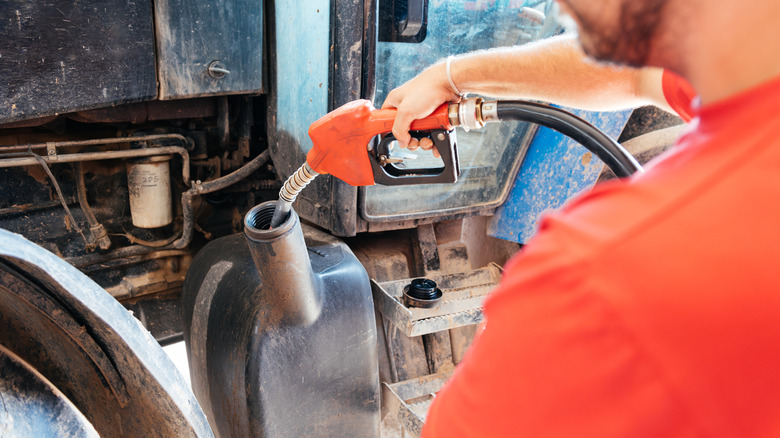
With a name like "diesel biocide," it's only natural to wonder what this menacing-sounding product actually does. It's a fuel treatment that kills microorganisms that might've grown in diesel fuel. These organisms, sometimes called diesel bugs, can multiply and grow in ideal conditions, particularly when there's water in diesel fuel. Water or contamination can get in through leaky filler caps or seals, and you can even pump already-contaminated fuel directly from a dirty tank. Whatever the source of the organisms may ultimately be, they contaminate your diesel fuel and hurt your engine as a result.
As the microorganisms grow, they can add to the sludge and sediment that stops up fuel filters, injectors, and fuel lines. Contaminated fuel can also lead to corrosion inside tanks and other internal components. Some signs you might have a diesel bug infestation include rougher engine operation, reduced power, clogged filters, increased smoke, and even declining fuel economy. In the most severe cases, contamination can even interrupt the steady delivery of fuel to the engine. That's where diesel biocide comes in handy.
The fuel treatment works by eliminating the microorganisms that have grown and stopping them from continuing to multiply. Some formulations also contain ingredients to clean and lubricate fuel-system components. Others help separate water from diesel and protect against further corrosion. Different products use various formulations, but the goal is always the same: to kill the organisms, whether they're bacteria or fungi such as yeasts and molds.
When you should use diesel biocide
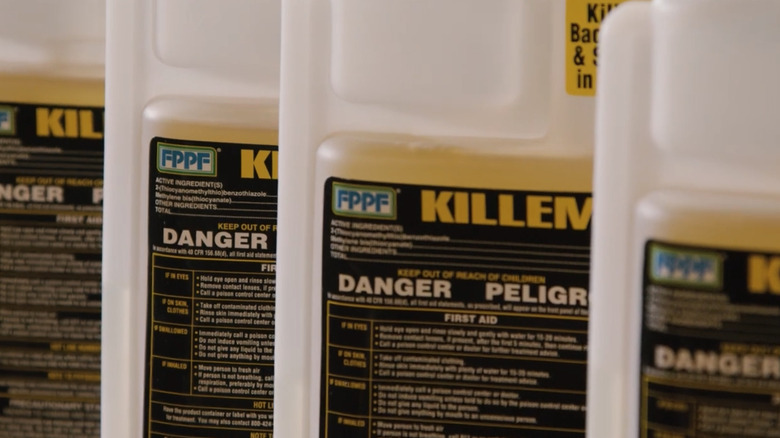
Notice some of the symptoms of contamination listed above? It probably isn't the worst idea to look into a diesel biocide treatment. From frequent filter blockages to sludge accumulation and poor engine performance, you could be dealing with a contaminated fuel system. Diesel biocide can also be used to treat on-site fuel storage tanks, helping control microbial growth and prevent contamination at the source.
Before you go and pour the entire bottle into the tank, always check the product instructions first. Diesel fuel additives, including biocides, come in different concentrations, so those instructions will ultimately tell you how much to use. For example, one treatment recommends a normal-use dosage of 1 liter per 2,000 liters of fuel, but a stronger shock treatment for bacterial growth calls for 1 liter per 250 liters.
Be aware: Killing the organisms with diesel biocide can actually plug up your fuel filters with all the dead microbes and loosened material left behind, especially if the contamination is extensive. Older vehicles or heavily contaminated systems with signs of bad diesel fuel might need a filter change after treatment.