

4 Downsides Of Cruiser Motorcycles You Should Consider Before Buying
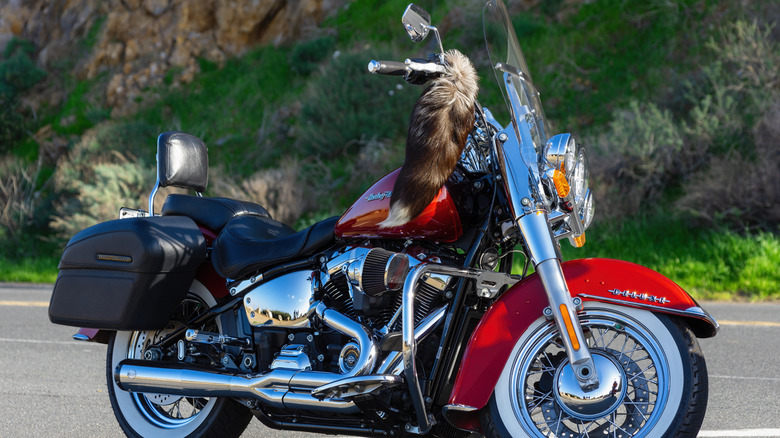
If you've ever seen a Harley-Davidson motorcycle, there's a good chance you've seen a cruiser motorcycle. "Cruiser motorcycle" refers to a specific type of motorcycle design that prioritizes comfort and torque. Usually, the seat of a cruiser motorcycle will slightly recline, allowing a rider to relax more than they might on a different style of bike. The foot controls of a cruiser motorcycle are forward-mounted, and the handlebar typically rests at around shoulder height.
Popularized by American motorcycle companies, cruiser motorcycles definitely offer some advantages in terms of comfort, but they aren't free of potential disadvantages. Familiarizing yourself with the drawbacks of cruiser motorcycles can help you better determine if this style is right for you.
Test driving one of these vehicles is highly recommended. Although some of the cons of a cruiser bike (such as high upkeep costs) become more apparent the longer you own one of these vehicles, others may be fairly noticeable during your first ride. Remember, the fact that a cruiser motorcycle was designed to enhance comfort isn't a guarantee you'll feel comfortable operating one.
Cruiser motorcycles may not offer the best fuel economy
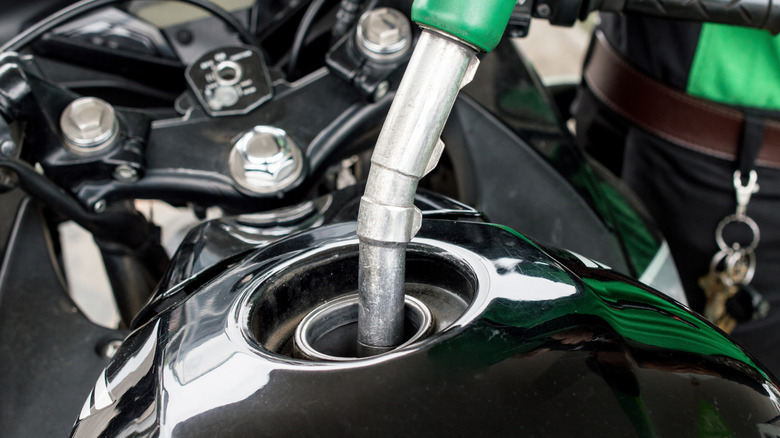
A cruiser motorcycle is designed for recreational riding. It's not necessarily meant to be a practical way to get from one place to another. Thus, unlike commuter-focused cars, the fuel efficiency of a cruiser motorcycle can be relatively poor. In fact, historically, it's not uncommon for manufacturers of cruiser motorcycles to avoid publishing fuel economy figures. Those in charge of deciding which features to highlight in a vehicle's marketing might assume that most people buying cruiser motorcycles aren't intentionally seeking stellar fuel economy.
That isn't to say it's impossible to find a cruiser motorcycle that gets reasonably good gas mileage. Although riders may not typically rely on these vehicles for commuting or other daily tasks, as motorists become increasingly aware of the importance of sustainability, they might try to do their part by seeking motorcycles that don't contribute to the overconsumption of resources.
Some motorcycle manufacturers are responding accordingly by offering cruiser motorcycles with better mileage than these motorcycles may have boasted in the past. You might simply have to conduct some research to find one that fits your needs and budget.
Cruiser motorcycles aren't the easiest to handle
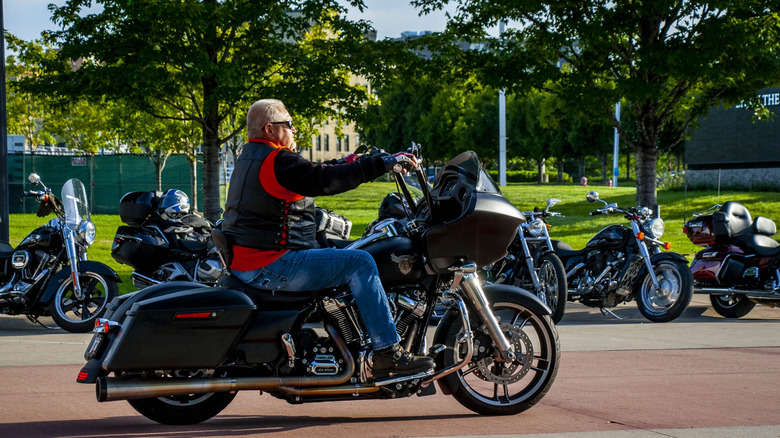
The comfort a cruiser motorcycle's design offers comes with a trade-off. These types of motorcycles tend to be bulky and heavyweight. This can make them more difficult to handle than other types of motorcycles, especially at lower speeds. The relatively large size of cruiser motorcycles can also make it harder for riders to weave in and out of traffic. Unfortunately, the size of cruiser motorcycles can also contribute to their slow acceleration.
However, as with the fuel economy factor, there are exceptions. If you're thinking about buying a cruiser motorcycle, but you're deterred by the heft of the traditional design, you can look into fairly lightweight cruiser motorcycles. Some models strike a decent balance between maintaining the classic cruiser design while accommodating riders who want something a little more manageable. If you're nevertheless leaning in the direction of a traditional cruiser, make sure you're comfortable handling a motorcycle of that size and weight before committing to a purchase.
This is also an instance in which it pays to consider your specific goals before deciding which type of motorcycle design is right for you. Because cruiser motorcycles lack the nimble handling of other styles, they're not ideal for riders who want a vehicle to navigate crowded cities on a day-to-day basis. However, for someone who wants to explore the open road on a classic American motorcycle, this style might be a perfect fit.
Not everyone agrees that cruiser motorcycles are comfortable
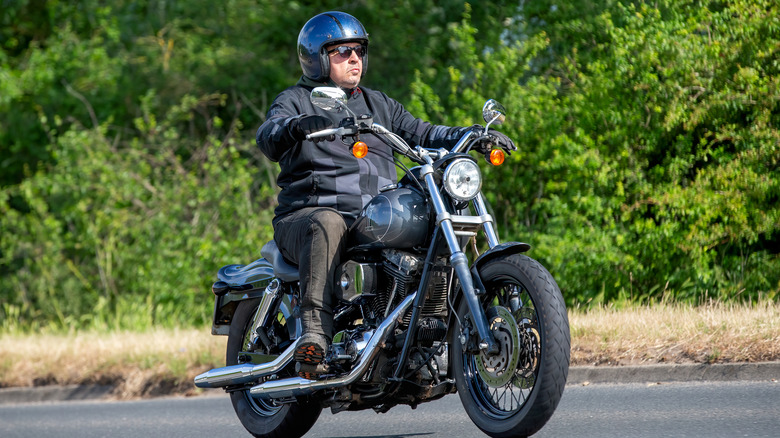
Test-driving a cruiser motorcycle before buying it doesn't just give you a chance to find out if you're comfortable handling a bulky vehicle. It also gives you the opportunity to find out whether a cruiser motorcycle's design is one you find comfortable in general. Although these motorcycles are technically designed to promote rider comfort, not everyone agrees they achieve this goal.
For instance, cruiser motorcycles can vibrate noticeably during long rides. This factor, combined with the vehicle's weight, can make riding a cruiser motorcycle uncomfortable over long distances. If you already have experience operating other types of motorcycles, you might struggle to adapt to the cruiser style as well.
Once more, it's wise to account for your riding habits. Some note that cruiser motorcycles can be particularly uncomfortable on damaged or bumpy roads. Depending on the environment in which you'll be riding, a cruiser might not be the style for you.
Cruiser motorcycles can be expensive
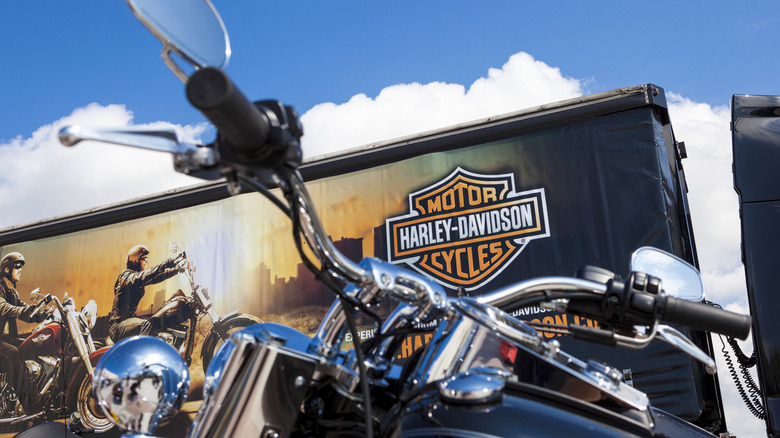
The overall cost of a cruiser motorcycle might be the detail that most puts you off from investing in one. First, the upfront price tag of a cruiser motorcycle can be somewhat high. On top of that, the poor fuel economy of a cruiser motorcycle can further add to the cost. Cruiser motorcycle maintenance costs also tend to exceed those of other motorcycles.
Just be aware that none of this is meant to discourage all readers from buying cruiser motorcycles. For some, this style is just what they're looking for. It's worthwhile to learn about both the pros and cons if you're not sure which motorcycle style best suits you.
If you do end up going with the cruiser style, be aware that there are a few strong used cruiser motorcycles that go for less than $3,000. In general, buying a pre-owned bike can be a smart way to defray the costs of a cruiser. On the other hand, there are certain used cruiser motorcycles that are best to avoid. By taking your time to do some research, you'll have a better chance of riding off with the motorcycle that's most comfortable for you and your wallet.