

Why Do Maseratis Have Such Low Resale Value?
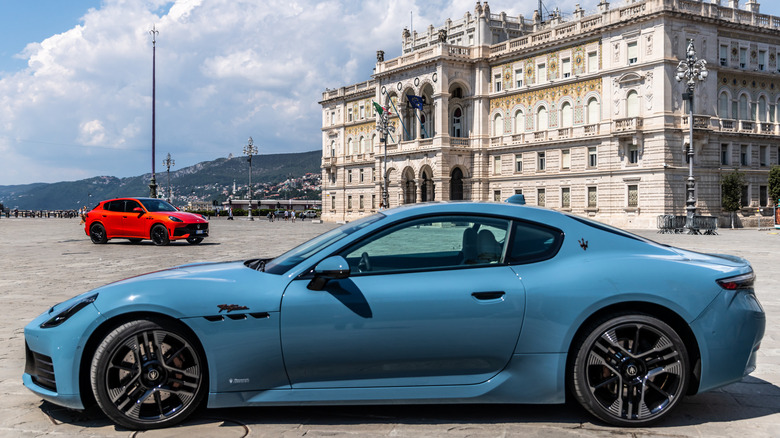
Maseratis have become known for something that goes beyond the marque's reputation for alluring styles, exotic-level performance, and sumptuous interiors — and that's their abysmal resale value. One key reason is the high cost of keeping these cars on the road, meaning servicing costs, insurance expenses, and repairs are in the exotic-car stratosphere. According to CarEdge, the average Maserati purchased new loses 71% of its value after five years. In fact, we found Maserati to be one of the luxury car brands with the worst resale values.
This is reinforced by values for individual Maserati models, which have seen even greater losses among its high-end models after just three years. These include the Quattroporte V8 Trofeo dropping by 68%, the Ghibli Ultima losing 69%, and the Levante V8 Trofeo giving up 72% at the 36-month mark. Compare this to the Porsche 911, which loses 9.3% over five years.
There are several other causes for this severe drop in value. The Maserati brand has missed the mark in various aspects of performance and technology, and has failed to keep up with its competition from Ferrari, Porsche, or even BMW. Then there's Maserati's need to cut prices on its new cars to "move the metal," thereby damaging resale prices before their cars are even sold and leave the lot. Plus, there's the perception of poor reliability throughout the ownership experience, which worries used car buyers who have no warranty left. In spite of Maserati's rich heritage and history, these issues can frighten buyers away.
What else should you know about Maserati resale value?
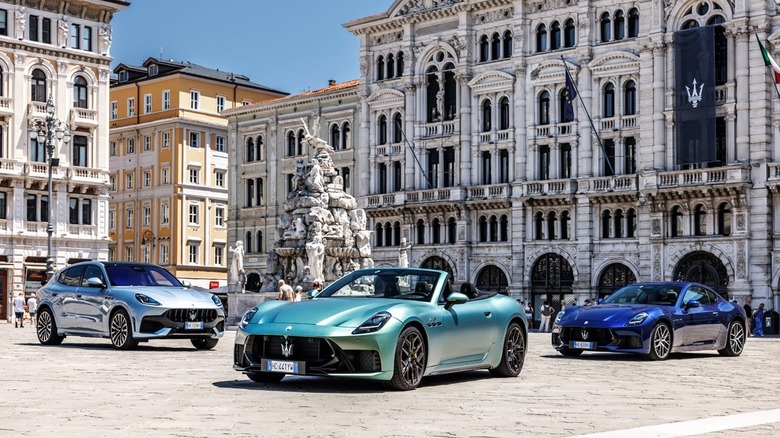
Maserati has made some of the best cars to ever hit the road throughout its 112-year run. But despite its illustrious history, including two wins at Indianapolis and an F1 world championship, one major reason for the brand's fall off of the resale-value cliff has a lot to do with its poor reliability. This is reflected in its steadily-declining sales numbers, going from around 49,000 sales in 2017 to about 26,000 in 2019, then just 11,127 in 2025. Contributing to this massive sales slide was the dropping of several important models, namely the Quattroporte and Ghibli sedans in 2023, then the Levante SUV in 2024. These were all replaced by a single vehicle, the Grecale SUV.
Maserati sales are also suffering in China, a key market, where dealers' response to sagging sales was to cut prices of its new cars. This practice, whether it takes place in China or anywhere else, resulted in decaying resale values even further. And even though this practice was halted by Maserati's owner, Stellantis, it did not improve sales.
One more move that hasn't worked out is Maserati's push to make electric cars. It now appears that exotic car buyers do not want EV variants, leading high-end marques to rethink their EV plans. Whether because the visceral thrill of multi-cylinder ICE power is missing or because high-powered EVs are available to most of today's drivers, the pushback against exotic EVs has been noticeable by those who can afford anything they want.