

QR Codes Are Replacing Car Inspection Stickers In This State – Here's How It Works
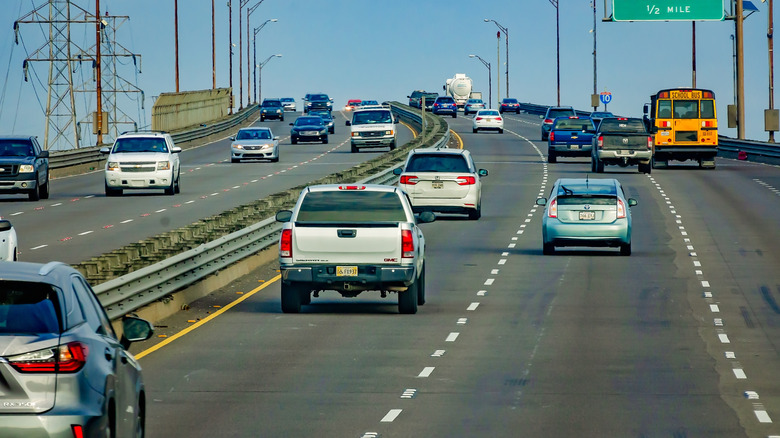
Louisiana is hoping to make registration easier and keep illegal vehicles off the road with a change from physical inspection stickers to a QR code. Starting on January 1st, 2027, the state will replace said stickers with a QR code. The code will only show the vehicle's VIN if another driver scans it, but registration, insurance, and warrant information when a member of law enforcement scans it. This change is thanks to Governor Jeff Landry signing House Bill 1085 in June 2026 to improve vehicle registration in the state.
Governor Landry signed House Bill 1085 into law in June 2026. The bill ends the current inspection sticker program for most passenger vehicles and creates a new system tied to vehicle registration. The QR code costs $6 and no longer requires a yearly safety inspection for personal vehicles, joining a few other states that don't require regular inspections. It's worth noting that this QR code system may not apply statewide, as some municipalities have their own inspection sticker and are as yet undecided about switching. New Orleans, for example, is waiting to see the bill's final language before it decides whether to implement QR codes.
What are residents saying about the new QR code change?
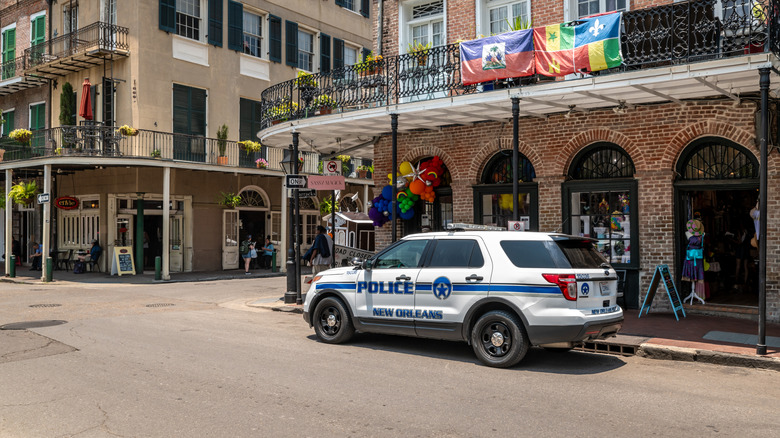
The move to QR code stickers, which residents will receive when they register or renew their vehicles, will ultimately save residents time and money. The original inspection sticker was $10, making the QR code $4 less. More importantly, it eliminates the need to go to a brake tag station to get the physical sticker and inspection, which some residents have found challenging in the past. It may also help avoid dummy sticker scams and other types of fraud.
However, there are also opponents of the change despite the governor's emphatic implementation. For one, the fact that vehicles will no longer require yearly inspections has prompted concerns about cars that would otherwise have failed inspections being able to drive legally on New Orleans roads. Residents have also pointed out that some drivers, such as elderly and disabled people, may not be aware of issues such as failed headlights without mandatory inspections, which could be especially dangerous at night.