

Are All Lawn Mower Fuel Filters The Same? Here's What You Need To Know
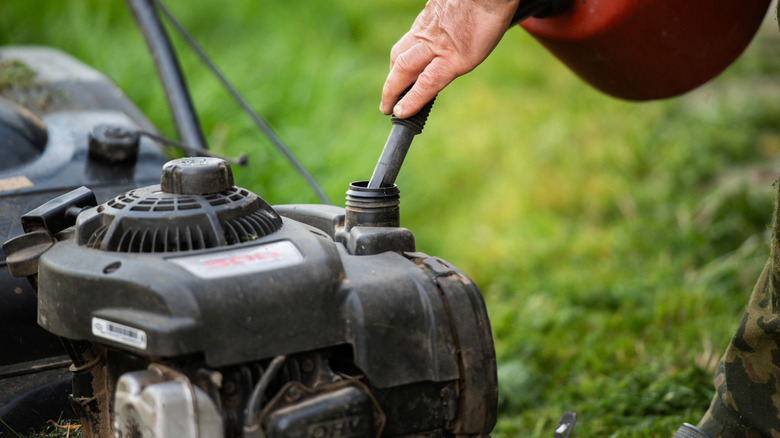
Regularly checking the fuel system is just one of our 13 tips for maintaining your lawn mower, but when it comes to the fuel filter, you may not know what you're dealing with or what you even need until you get into the engine. It's important to know that while lawn mower fuel filters may look alike, that does not mean they are interchangeable.
The type of fuel filter a mower needs depends on the engine's design and how the fuel system is set up. For example, some filters are installed along the fuel line between the tank and the fuel pump. In contrast, other fuel filters are located inside the fuel tank itself. Because fuel systems can vary between engines, choosing a replacement based only on size or appearance could mean you end up with the wrong part.
Fuel filters are not only different in terms of design, but they can also differ in how effectively they remove contaminants from the system. Some filters are made with a specific micron rating to trap foreign objects and debris while maintaining proper fuel flow. This means that using a filter that is not designed for the engine's fuel system could allow particles to get through. This could potentially cause issues with engine components, including the fuel pump, fuel lines, injectors, or carburetor. It's important to always check the engine's parts information or follow the manufacturer's specifications when selecting a replacement filter.
Types and replacement of lawn mower fuel filters
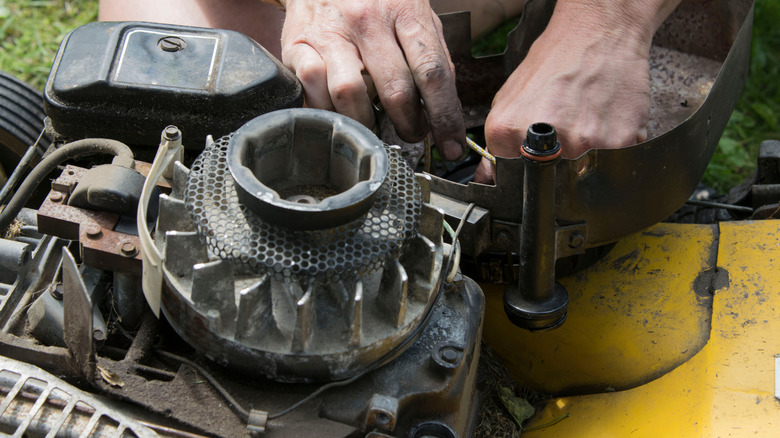
While there are different variations, fuel filters typically fall into three main categories. In-line disk filters use a screen to help trap contaminants and are commonly used on gravity-fed or fuel-pump systems. In-line paper cone filters are installed in the fuel line, and in-tank fuel filters are attached to the fuel line inside the tank. In addition to being used in lawn mowers, in-tank filters are often used in other equipment including chainsaws, trimmers, and leaf blowers.
When it comes to actually replacing the fuel filter, the timing depends on the equipment and the manufacturer. For example, Husqvarna recommends replacing its in-line fuel filter once each season. John Deere recommends changing the fuel filter on its D100 Series lawn tractors once per season, but also lists a replacement schedule of every 50 hours. In some cases, a clogged fuel filter that is restricting fuel flow due to using old gas, may require replacement even sooner.
A clogged fuel filter can lead a lawn mower to experience several performance issues, depending on the severity of the blockage. Common warning signs can include engine sputtering, inconsistent idling, misfiring, or even stalling. The mower may not be able to start at all, or its power could become uneven during operation. If a mower shows any of these symptoms, the fuel filter should be inspected and replaced if necessary.