

How Long Do Radiator Hoses Last & What Factors May Affect Their Lifespan?

Engines get hot during operation and therefore require a means to keep escalating temperatures from reaching dangerous levels. Otherwise, running an engine that's overheated can lead to severe damage like cylinder head deformation. To help control temperatures, engines include a cooling component called a radiator, a narrow rectangular block with metal fins typically installed in front of the engine for optimal airflow. A radiator's hoses are important components its proper functioning, moving coolant liquid in and out of the engine, absorbing heat and then releasing it.
According to Kelley Blue Book, radiator hoses are typically good for between 50,000 and 100,000 miles, but general recommendations are to get new ones if you've had the vehicle more than four years or hit 60,000 miles. This is just one estimation however, as hoses have also been known to last longer than 15 years.
Radiator hose lifespan can vary significantly based on things like maintenance and the demands on the engine, among other factors. When the weather calls for extreme heat, there are several ways to keep your vehicle engine cool, which helps reduce stress on your cooling system. The coolant itself needs to be periodically changed out, as the constant thermal cycling can eventually cause the liquid to take on acidic properties and invite corrosion into the engine. Keeping an eye on the engine temperature gauge and routinely checking the coolant levels can help you spot trouble early.
Rubber versus silicon hoses and the cost for replacement
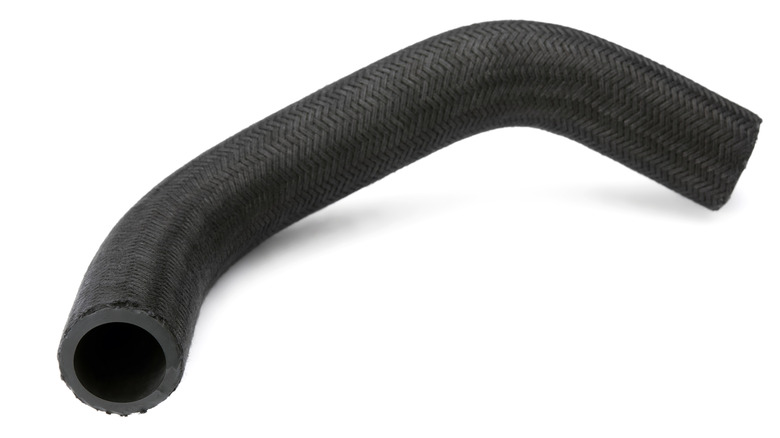
Most vehicle engines use rubber or ethylene propylene diene monomer (EPDM) for radiator hoses. This is because the material is cheaper, it seals well over the inlet and outlet ports in the radiator, and it's flexible. While EPDM is more common, there are also silicon radiator hoses. These are composed of layered silicon along with special fibers that are resistant to hot temperatures. Due to a greater tolerance in both temperature and pressure than EPDM, one of the places you might see these silicon radiator hoses are in motorsports where engines are using forced induction and pushed to their limit. In addition, some put them on diesel trucks to combat the rigors of pulling and hauling duty.
In terms of replacement costs, EPDM hoses with some exceptions can be found under $80 each, with some as low as around $12. However, it really depends on your vehicle make and model, and professional or premium options will cost more. A silicon replacement kit is more expensive and could run hundreds of dollars or more. You'll probably need a kit versus just the hoses themselves as silicon doesn't use the same clamps as the rubber version. Generally, for most drivers though, the standard rubber hoses are more than sufficient.
Is replacing a radiator hose easy?
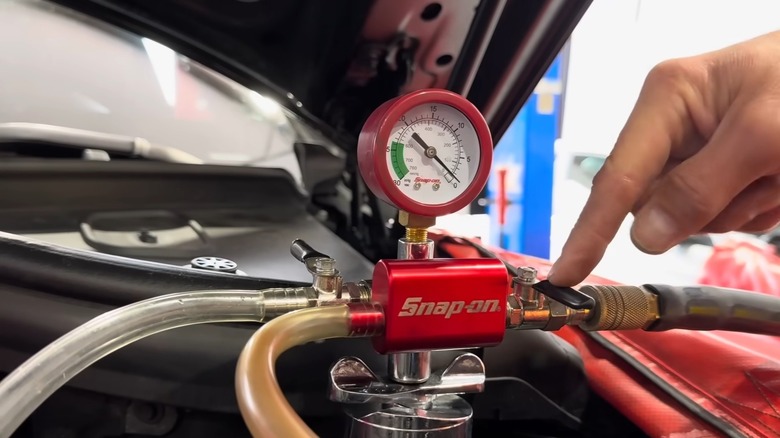
When you notice signs it's time to replace an engine's radiator hoses, such as spotting cracks along the rubber, you need to take action before it gets worse. According to Repairpal.com, having a shop replace your radiator hoses runs anywhere from $496 to $555 on average. Though this includes technicians draining the old coolant and replacing it with a fresh supply, in addition to changing out both hoses.
Alternatively, you can do the job yourself with some standard tools like pliers and a flat screwdriver. It's not the hoses themselves that pose a challenge, as you simply loosen the clamps, and wiggle them away from their attachments to the engine and radiator, after draining the coolant. However, the coolant can be a bit trickier to replace, as it requires purging air from the system in newer cars. You can purchase a coolant vacuum refill kit to complete the job on your own, but bleeding air adds complexity for do-it-yourselfers.