

What Makes Break-In Oil Different From Motor Oil?
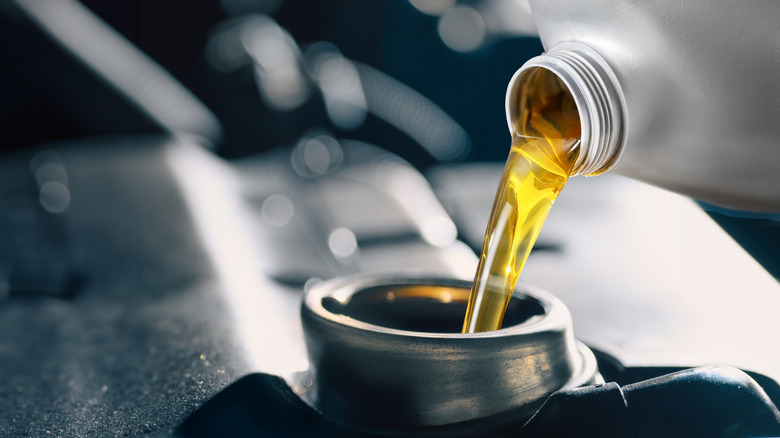
Break-in oil is designed for a very specific stage in an engine's life: the first hours of operation after a rebuild or when a new engine is being seated. The best regular motor oil is meant for long-term use, with additives that reduce wear, clean internal parts, and protect engine components over thousands of miles. Break-in oil, by contrast, is formulated to encourage a small amount of controlled wear where it matters, especially between piston rings and cylinder walls, so those parts can mate properly and create a strong seal.
That difference is mostly about chemistry. Break-in oils often use conventional base oils and do without friction modifiers that can make an oil "too slippery" for the seating process. They also usually contain elevated levels of zinc and phosphorus, commonly referred to as ZDDP, which provide anti-wear protection during the high-stress early moments of engine operation. Some formulas also use lower detergent levels so they do not clean away the microscopic wear patterns that help rings and cylinder walls seat together. In a mature engine, that kind of controlled friction would be undesirable, but during break-in it's what helps the engine reach proper compression and sealing.
How break-in oil works
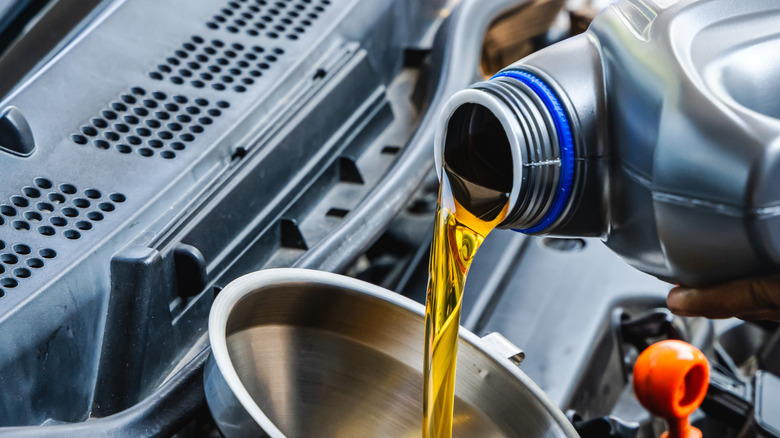
Break-in oil balances protection with the need for parts to settle into their final contact pattern. When an engine is new or freshly rebuilt, the cylinder walls have microscopic peaks and valleys from machining. The piston rings must wear against those surfaces just enough to create a tight seal without scuffing the parts or glazing the cylinders. Break-in oil helps this engine break-in process occur in a controlled manner, allowing the rings to seat while still providing enough lubrication to prevent damage.
It also helps protect high-load components during this vulnerable phase. Camshafts, lifters, and other valvetrain parts can experience significant stress at startup, especially in engines that need higher anti-wear protection. The break-in oil's additive package handles that early load while the engine settles in. Once the break-in period is complete, the oil is typically drained and replaced with the regular motor oil the engine will use going forward. That makes break-in oil less of a permanent lubricant and more of a temporary tool for engine assembly and initial operation. In practical terms, it helps a fresh engine develop good compression, reduce blow-by, and establish the wear pattern needed for reliable long-term performance.