

Yes, You Can Replace A Stihl Weed Eater Head - Here's How
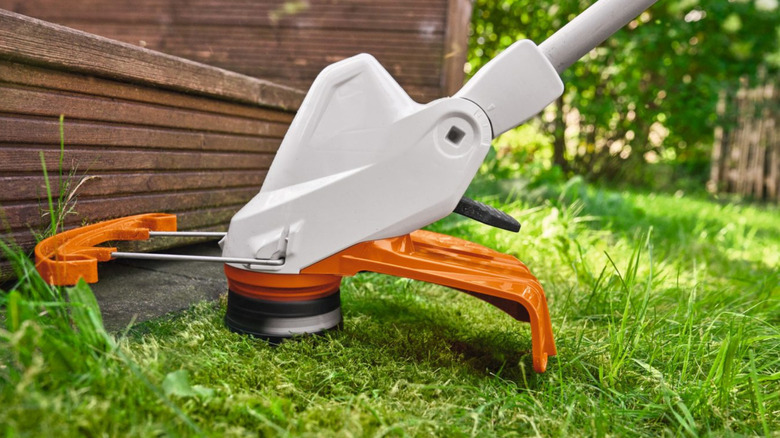
Keeping your outdoor equipment in good condition can involve all sorts of tasks, one of which might be replacing the head on a Stihl weed eater. Thankfully, it's a fairly straightforward process. First, turn the weed eater off and cut the power by disconnecting the spark plug, removing the battery, or unplugging the unit, depending on the model. Then, put on some work gloves for safety before you begin.
Of course, you should first have the correct replacement head approved for your specific Stihl weed eater, as not every replacement head is compatible with every model. Using a head that doesn't fit can affect safe operation and performance. Also, if you're using the AutoCut C 25-2 or PolyCut C 20-3, you'll need to lock the drive shaft with a stop pin before removing the old head and installing the new one.
From there, the process depends on the replacement head you're using. The AutoCut C 25-2 and PolyCut C 20-3 heads thread onto the shaft before you tighten them. The AutoCut C 5-2 uses a different mounting design that requires installing and securing the tap head. Once the new head is attached, check that it's on tightly before using the trimmer. If you have any questions or run into any issues while replacing the head, consult your owner's manual.
When and why should you replace a weed eater head?
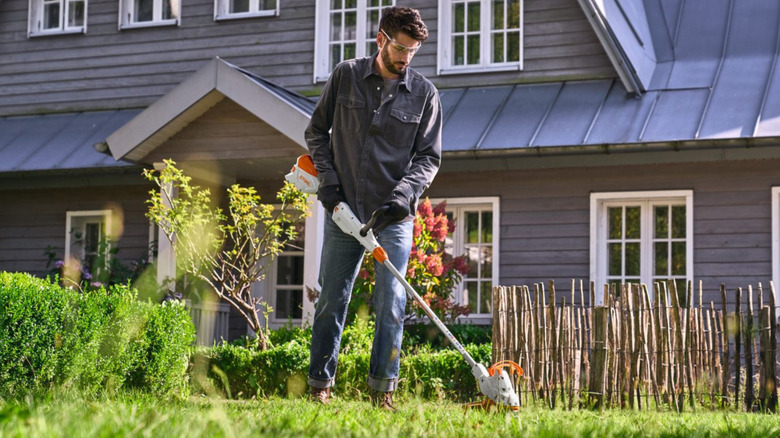
Knowing when to replace the head on your Stihl weed eater depends on a few different factors. First, you should consider how often you actually use the tool. Homeowners who do yard work once a week may not need to replace the head as soon as a full-time landscaper would. The conditions you're working in matter as well: thick grass, weeds, and other demanding jobs can cause the head to wear faster. A worn-out head may also lead to a common problem with Stihl weed eaters, where bumping the head doesn't pull out fresh string.
If you don't replace a worn or damaged head and continue to use it, whether it's a Stihl or any other highly-rated weed eater, you could be creating a dangerous situation. A damaged cutting attachment could break apart as the weed eater is running, potentially causing serious injury. At the very least, your weed eater may not perform properly, causing you double the work later on. This is why Stihl recommends regularly inspecting the head before use and replacing any parts that are cracked, damaged, or worn out.
Even a new weed eater head requires a visual inspection before each use to catch any issues before they become too serious. You should perform regular maintenance as well, including keeping the head clean and monitoring for signs of damage during use. Your owner's manual should provide cleaning and maintenance tips for your specific Stihl weed eater model.