

What Makes A Classic Car A 'Survivor Car'?
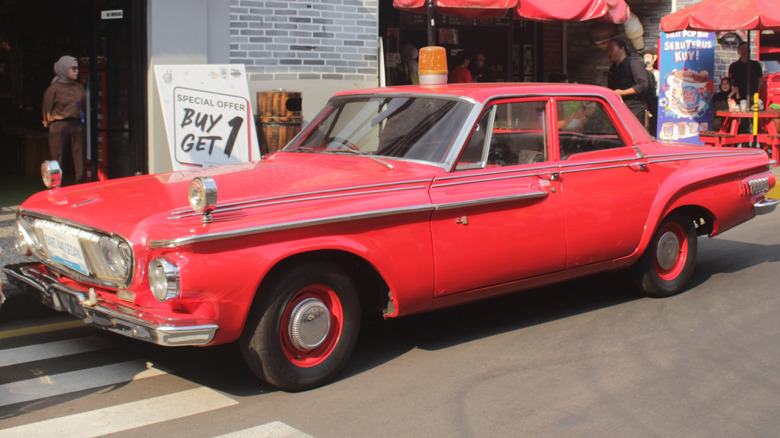
For some drivers, nothing beats the feel and performance of a classic car from the 1970s. But while the word "classic" is pretty self-explanatory when describing some older rides, what about "survivor" cars? A survivor car is indeed a classic vehicle, but the difference is that the original condition and character is still intact rather than the car being completely restored.
This means that a survivor car, while showing signs of age common with older vehicles, may still have the original paint, interior, engine components, or other factory details. This can give a true snapshot of the car's original history, making them more authentic and unique in the eyes of collectors. In contrast, fully restoring a classic car essentially turns back the hands of time with the end result potentially being a like-new vehicle from top to bottom. However, it's important to know that a single definition of a survivor car that's universally agreed upon actually does not exist.
For example, the National Corvette Museum defines a survivor vehicle as having its original finish, interior, and components, along with records documenting its history. However, Bloomington Gold uses a different standard for its Survivor certification. This includes the recognition that vehicles should retain a large portion of their unrestored condition rather than requiring every element be in its original form. This shows that while the exact criteria can vary, originality and preservation are the biggest factors to identifying a survivor car.
What to know before owning a survivor car

Survivor cars are appealing to collectors because each one represents a piece of history that just cannot be duplicated. Years of ownership, use, and preservation define the car's life, telling a story that a fully restored vehicle may not be able to tell. Because so many classic cars have either been modified or rebuilt over time, examples of true survivor cars are becoming harder to find. This is another reason why car enthusiasts continue to be interested in survivor vehicles.
Owning a rare survivor car can be rewarding, especially if the car's value increases over time. But it can also be expensive, as older cars can often have higher maintenance demands. It can be tougher to find replacement parts as well, and actually storing the car can be tricky, as it needs to be protected. This is why keeping an older vehicle, which can require more time, patience, and financial investment, could potentially become more of a commitment than owning a newer car.
It's also important for owners to understand the laws in their state when it comes to actually using a survivor car or a classic car as a daily driver on public roads. That's because vehicle registration, inspection requirements, and license plate types, can sometimes vary from one state to another. Drivers should check with their state's DMV before registering a survivor car so they don't run into any problems down the road.