

How Much Does A Drone Pilot Make On Average?
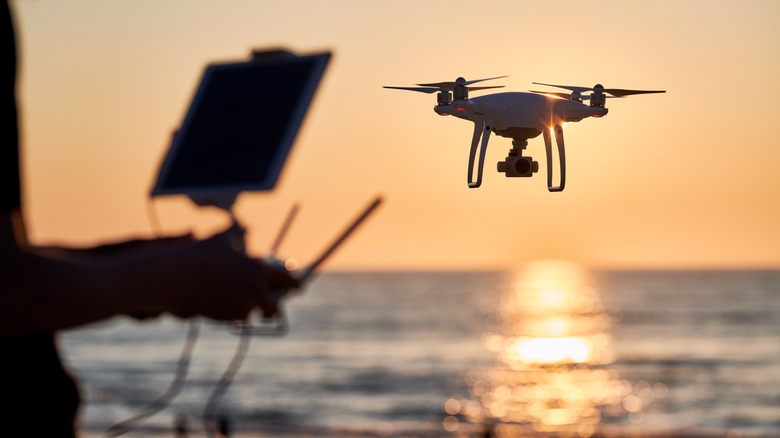
Many jobs come with a pay figure that people roughly agree on, and that's because those trades have had a long time to settle on rates. That's not the case with gigs involving drones, though, simply because they haven't existed for that long. Perhaps that's why some of the top job portals across the USA can't seem to agree on the average salary for a drone pilot. Salary.com lands on $48,107, Indeed settles at an average base of around $81,995, Glassdoor quotes $94,377, and ZipRecruiter pushes it up even higher to $130,916. Crunching the four, you arrive at $88,848 as an average. However, this does not paint the full picture, since the variations between these numbers are the result of different jobs with different responsibilities.
A drone job can shake out into wildly different duties. One example is a person shooting listing photos for a realtor on Saturdays. Another might send a thermal camera over an electrical substation, looking for the overheating joints that turn into outages if nobody catches them. A third could fly for a defense contractor, where the footage is classified and nobody touches the controls without a security clearance. All three passed the same FAA exam, which makes them drone pilots.
Because of that spread, the averages come down to who landed in the sample. For instance, ZipRecruiter's pool skews toward defense work and mapping specialists. Also worth mentioning is that these numbers don't normally account for freelancers, since they aren't really on a payroll, and bill $80 to $250 an hour instead.
The factors that decide the pay
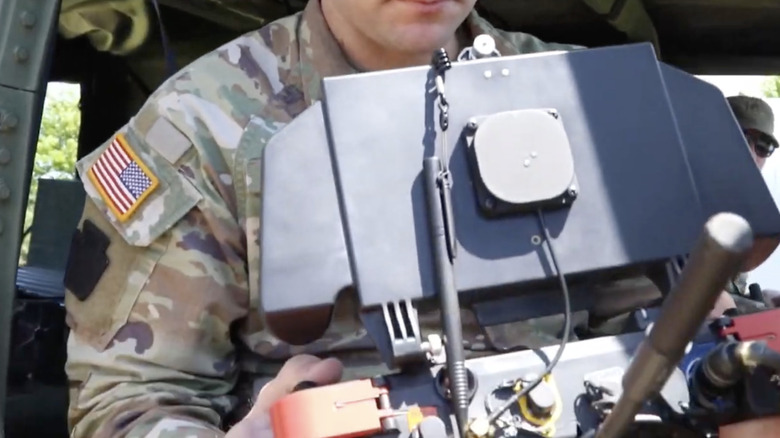
All in all, $75,000 can be considered a good salary for a drone pilot, with most payouts sitting between $50,000 and $95,000. But where you land on this scale is based on a number of factors. The first step as a drone pilot involves earning the FAA's Part 107 certificate, which comes down to a $175 test. Trouble is, something a motivated weekend can buy is not what carries anyone to six figures. So let's just take a look at what the best paying specialties have in common to get a better idea.
Energy and power line inspection averages about $96,000. LiDAR mapping, which builds 3D scans of terrain and structures, runs $90,000 to $120,000. Photogrammetry, stitching overlapping drone footage into a map you can take measurements from, sits in similar territory. The thing is, none of these particularly demand that you have the sharpest flying skills. Rather, the job's value lies in what happens to the data you gather.
Another major factor setting pay is permission. Flying beyond visual line of sight, meaning the aircraft leaves your eyeline, clears $100,000. That's because the FAA hands out those waivers case by case, and going up without one is a quick way to get into trouble flying a drone. This may loosen soon, though. The Part 107 certificate is about to gain a companion rule called Part 108, which would swap those per flight waivers for a standing approval.