

Which Cummins Engine Was Called The 'Million-Mile Diesel' And What Made It So Special?
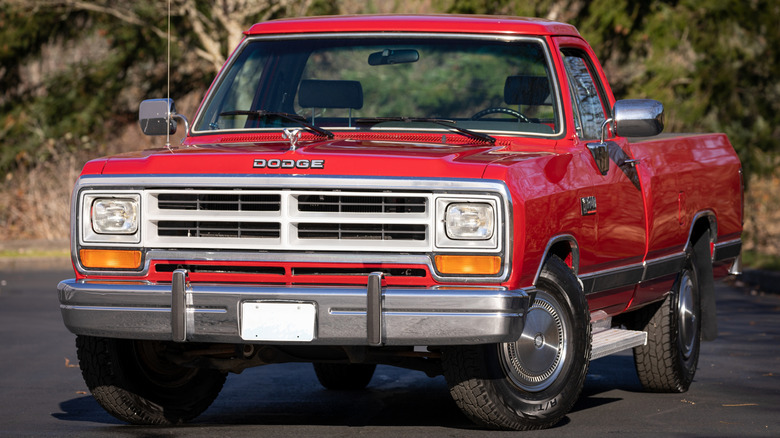
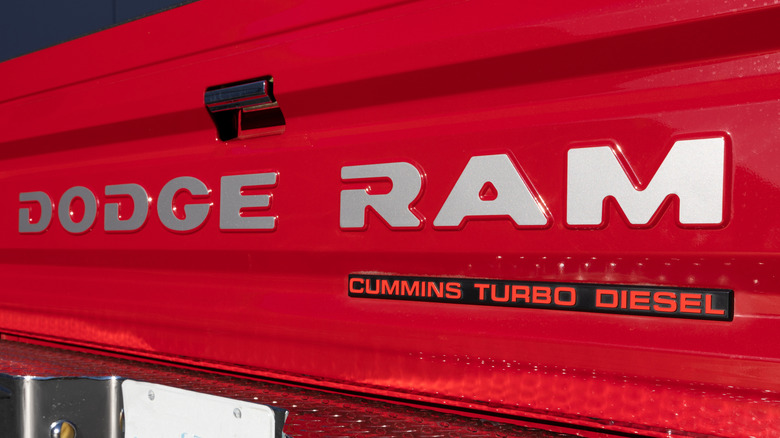
The Cummins engine known as the "Million-Mile Diesel" was the 5.9-liter inline six-cylinder 12-valve turbodiesel engine that was an option on the Dodge Ram 2500 and 3500 trucks produced between 1989 and 1998. This engine became an icon of reliability, regularly going between 500,000 and 1 million miles, as long as the proper maintenance schedule was followed. This is why Cummins fans consider this engine the diesel "holy grail".
The primary reason that this engine has such a great reputation for longevity and reliability is its simplicity. Instead of depending on electronic complexity, it operates mechanically, which can get some owners into the Cummins million mile club. In addition, this older Cummins engine does not have any of the emission-reducing technologies that current electronically-controlled diesel engines must be equipped with. These include Selective Catalytic Reduction (SCR), Exhaust Gas Recirculation (EGR), and Diesel Particulate Filters (DPF). While these systems all do their part to reduce a truck's tailpipe emissions, they also result in problems that can include added backpressure in the exhaust, as well as stress-related issues from the higher levels of heat present in emission-controlled engines.
The Cummins Million-Mile Diesel is also very impressive for its mechanical failure rate of less than one percent. This compares very favorably to the failure rate of the early electronically-controlled engines, which was over 15 percent. The non-electronic Million-Mile Diesel also offers the benefits of being able to be repaired with ordinary tools, while eliminating the need for any diagnosis of an Electronic Control Unit (ECU), which it does not possess.
Are there any weak spots in the Cummins 'Million-Mile Diesel?'
Like most engines, even the Cummins Million-Mile Diesel is not perfect; there are weaknesses that have been found in it. Foremost among them is the issue of the so-called Killer Dowel Pin (KDP). It's an alignment pin that is made of steel and located within the timing case. If it should come loose due to vibration, it will cause the engine to fail with disastrous results as it lands in the moving timing gears, potentially destroying valves and the camshaft gear, with irreversible engine block damage. It's a very bad thing, but it can be prevented by securing the KDP with a retainer that costs around $50.
Other problems befalling this engine include oil leaks from the oil pan, the timing cover, or the tappet cover that's located on the side of the engine. This is usually down to the original gasket material getting older and failing as the result of heat-generated changes over time. Another issue that is estimated to be responsible for 80% of this engine's mechanical failures is owners' tendency to increase the boost pressure far beyond what it was intended for. A proper rebuilding process for running higher pressures should include upgraded injectors and pistons, plus modern sealers and head gaskets that are designed to operate within these higher-performance parameters.
Cummins, which makes engines all over the world, has seen this one surpassed by new technology that better fights emissions. But this amazing mill continues to impress with its impeccable reliability and the sheer amount of power it can produce when properly upgraded.