

What Is The 1/3 Rule In Boating?
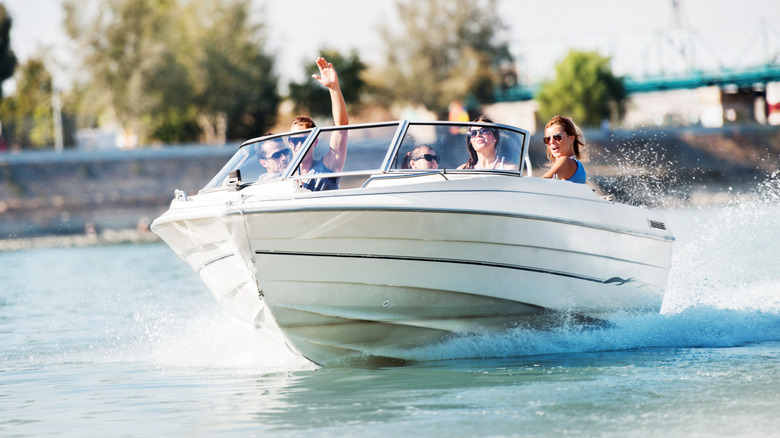
Taking a boat out on the water, you want to make sure you have enough fuel to make it back to dry land. That's why the "one-third rule" was born. Wind, waves, changing currents, unexpected detours ... it can all increase your fuel consumption beyond what you'd originally planned for. That's true regardless of your boat engine type. That's why it's recommended that boaters follow this one simple fuel management guideline. That way, you can make sure you've got enough fuel to make it back safely while still leaving some reserved for the unexpected.
The one-third rule works like this: Before you set out, check the fuel tank level and fill it back up if necessary. Double-check the fuel valve is turned on, as well. Then, think of your boat's fuel supply as being divided into three equal portions. The first third is used to travel to your destination, the second third is reserved for your return trip, and the final third is left untouched in case of an emergency. (This reserve is different from whatever built-in reserve tank your boat might already have.) By planning your fuel usage out like this before you launch the boat, you can be extra certain you won't exhaust your fuel supply before reaching shore.
How the 1/3 Rule keeps boaters safer
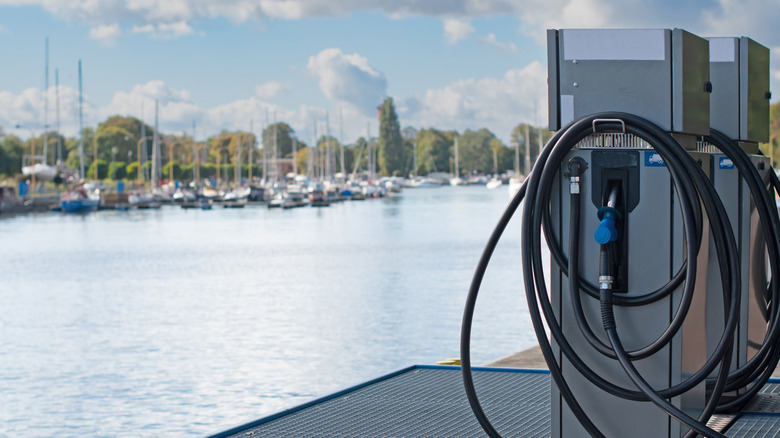
You might think you know what you're in for when you set out on the water, but there's really no way to predict what's going to happen out there. That's what's so nice about the one-third rule: it accounts for all those variables you can't truly predict. Favorable conditions on the trip out can quickly change on your way back. Same goes for headwinds, rough water, strong currents, or some other factor that might force you to change course. It can all increase your engine's workload and, in turn, your fuel consumption. Without that one-third kept on reserve, even the smallest change in conditions could leave you without enough fuel to get back safely.
The rule doesn't solve every problem you can face out there, but it does give you more of a fighting chance against changing conditions and fuel shortages. Of course, proper fuel management goes beyond setting aside a third of your fuel. To be safe, you should also inspect your boat's fuel system before you go. Look for leaks and check for damaged components to keep your fuel tank well-maintained. Otherwise, it might start wasting fuel and reducing your overall efficiency. Pair that with other boating must-haves, you'll be ready for anything.